Winter Moth Locations
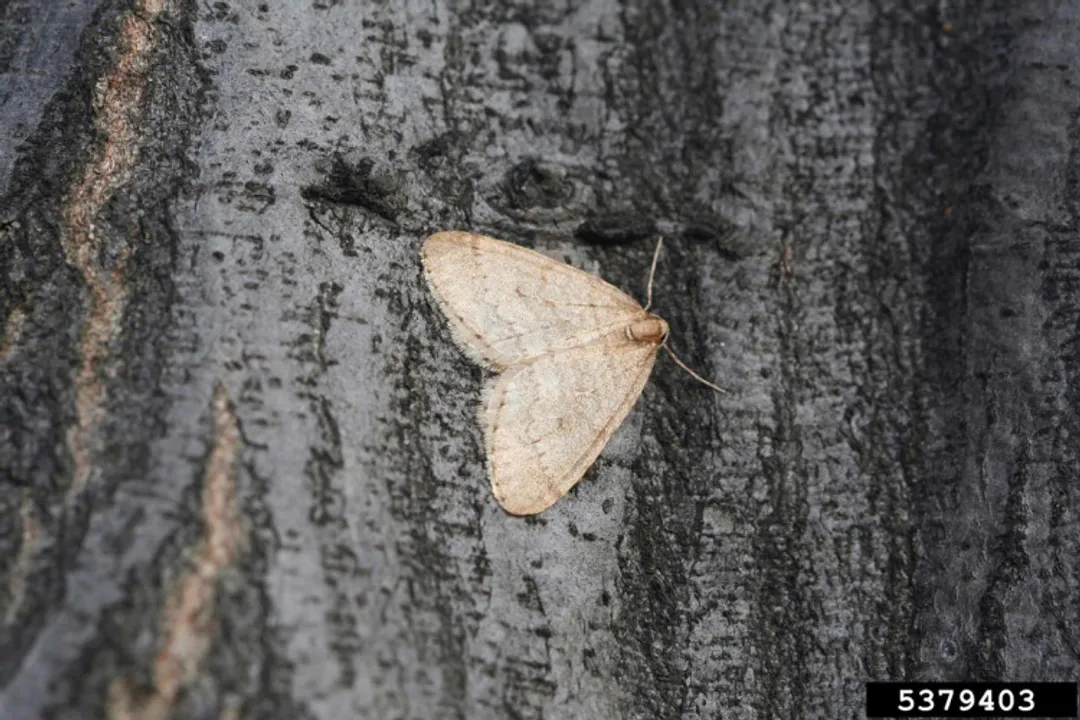
The presence of the Winter Moth, Operophtera brumata, is a topic of increasing interest, particularly for residents and land managers in specific regions where this insect has established itself as a notable presence in the late autumn and early winter landscape. Understanding where these moths are found requires looking not just at current distribution maps, but also considering the specific ecological niches they favor and the historical spread documented by various monitoring efforts across North America and Europe.
# Geographic Reach
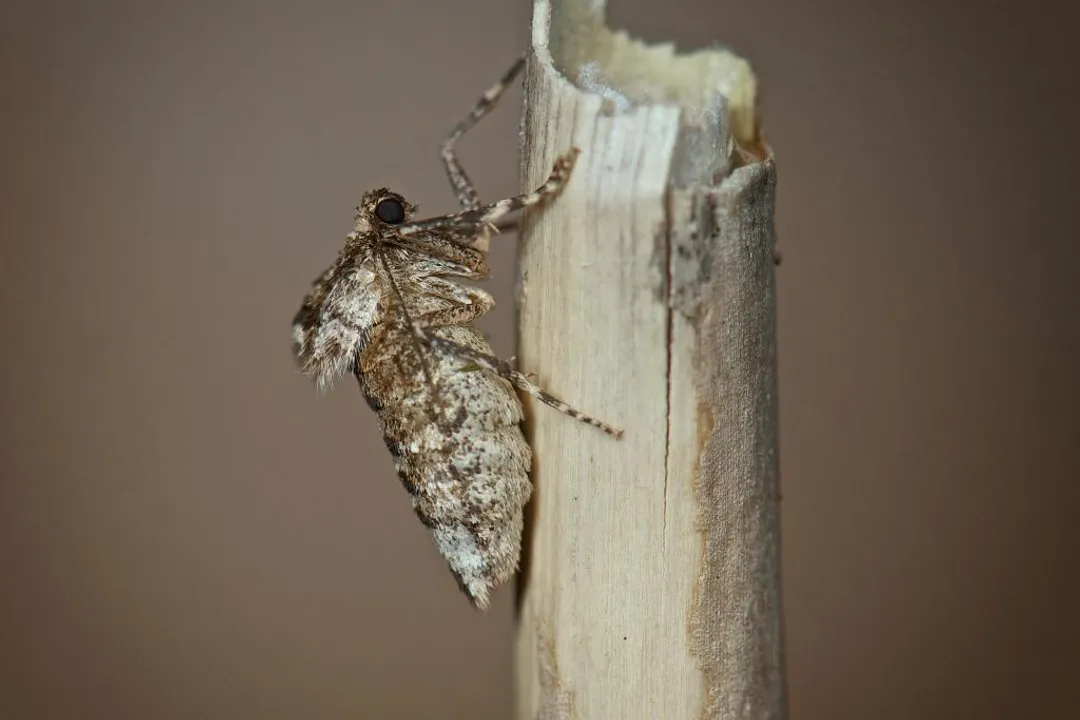
The known distribution of the Winter Moth is highly concentrated in the northeastern United States, forming a key area of concern for forest health agencies. Reports frequently highlight its establishment in states like Massachusetts, where organizations track its presence and impact on local ecosystems. Similarly, agencies in Maine detail the insect's activity, particularly in relation to forest stands. New Hampshire also notes the presence of the Winter Moth as one of the damaging insects requiring attention from residents and arborists.
While the focus on the northeastern US is strong, evidence of its presence or monitoring efforts can be found through national phenology networks, which often map the timing of its flight period across the country, suggesting broader, albeit sometimes localized, activity or surveillance. Across the Atlantic, the moth is also a subject of study in the United Kingdom, indicating a more widespread global presence, even if the immediate management concerns are localized to specific continents or regions.
A point of potential confusion when tracking locations is the difference between established infestation zones and areas where the moth might be merely passing through or is a subject of routine monitoring. For instance, when reviewing biological control research, one sees a focus on areas undergoing active research or management projects, such as those potentially involving the University of Rhode Island. This underscores that a "location" can mean a point on a map where it is endemic, or a site designated for scientific intervention.
# New England Focus
In New England, the narrative around the Winter Moth is often one of an established, recurring visitor whose timing is predictable, if inconvenient. Its appearance in the fall prompts specific local alerts. For example, Massachusetts Audubon monitors the arrival of these moths during their characteristic flight season. In New Hampshire, the insect is explicitly listed among those that cause damage to trees and shrubs, signaling its rooted presence in that state’s pest management concerns.
Maine's Department of Agriculture, Conservation and Forestry places specific attention on this insect within its forest health reports, linking its presence directly to the health status of the state's woodlands. When considering these localized reports, it becomes apparent that the moth’s current "location" is less about a newly discovered frontier and more about the intensity and impact within established, cool, temperate forest zones. The specific host trees available in these areas—oaks, maples, and apple trees—define the practical perimeter of its ecological impact.
# Phenology and Flight Windows

Although the name suggests a deep winter insect, the key location where you observe the adult moth is during a surprisingly narrow, late-autumn window, which is a crucial factor for monitoring and control efforts. The flight period is typically concentrated in late November and December in the northern hemisphere, a time when many other moth species have ceased activity. This late-season flight is essential for the species’ survival, as the females need to lay eggs before the ground freezes completely.
It is worth noting that while the adult moths are flying in late fall/early winter, the damaging larval stage occurs much earlier in the spring. Therefore, tracking the moth location in December gives you the future egg-laying site, not the location of the spring defoliation threat.
To put the timing into perspective, one can look at phenological data mapping. For example, forecasts of winter moth activity often use the accumulated degree days to predict when the flight period will peak. This predictive modeling allows agencies to issue warnings precisely when adult moths are most visible and vulnerable to trapping or assessment, linking the location of observation to the time of year.
If we compare the general biological descriptions, European sources confirm that the flight occurs around October or November. In the US context, the focus leans heavily on late November through December. This slight variation in peak timing—perhaps a month later in parts of New England than observed elsewhere—could be an adaptation to local climate cues or simply a result of different monitoring standards, providing an interesting point of comparison for entomologists tracking geographic spread versus local biological adaptation.
# Egg Laying Sites
The actual location where the moth spends the majority of its life cycle—as an egg—is critical for understanding its presence year-over-year. The female moths lay their eggs in protected crevices, often on the bark of host trees, or sometimes on surrounding structures. This means that the location of damage in the spring directly correlates to the location of egg masses laid the previous fall.
For a homeowner in an affected area, realizing that the tiny, dark eggs laid in December are responsible for the spring defoliation is an important piece of information. A practical consideration for property managers in these established zones would be to conduct careful bark inspections on susceptible trees like oaks and map any heavily clustered egg sites found during the winter dormancy. This mapping exercise, though simple, moves beyond general awareness to targeted assessment of immediate threat level for the upcoming spring, which is a step many overlook when focused only on the flying adults.

# Host Trees and Damage Zones
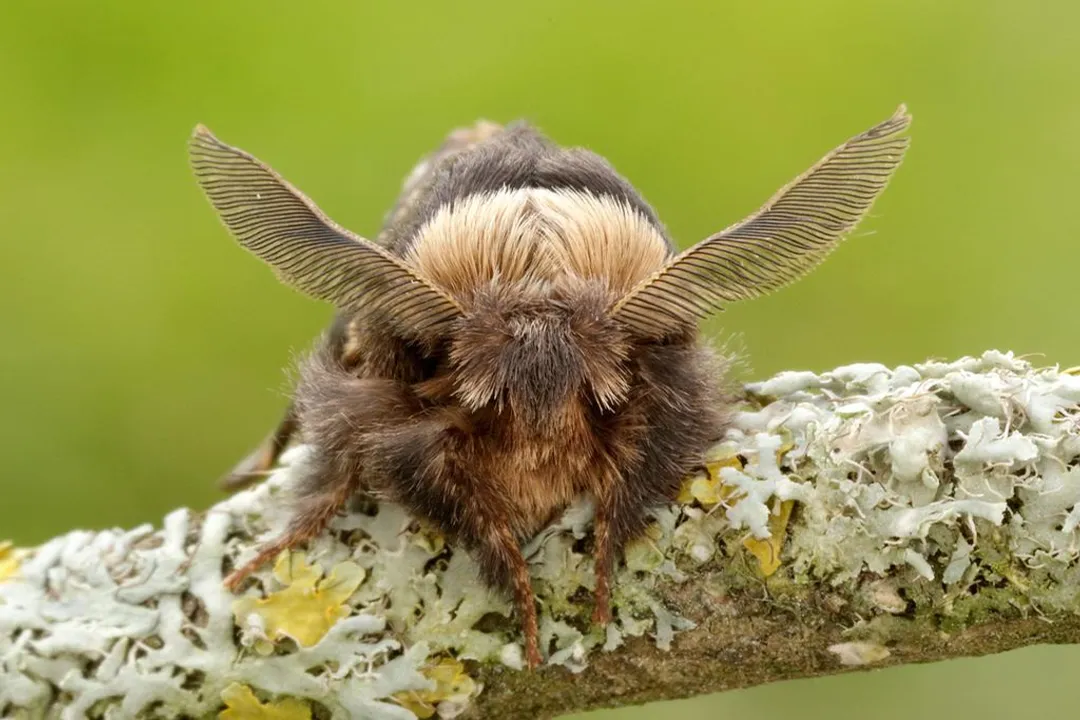
The Winter Moth's location is intrinsically tied to the presence of its preferred food sources, as the larval stage requires specific foliage to develop. This ecological linkage dictates where management interventions will be most effective. The primary host trees often cited are oak and maple, two dominant species throughout the Northeastern forests. Beyond these, apple trees are also highly susceptible.
When considering the geographic spread, the presence of dense, mature stands of these preferred hosts provides an ideal environment for the moth population to thrive and persist. A forest that is predominantly pine or hemlock, for instance, is unlikely to sustain a large Winter Moth population, even if the adult moths are present in the area.
# Winter Moth Versus Spanworm
A nuance in determining the "location" of the problem relates to identification, as the Winter Moth is often confused with the Bruce Spanworm (also known as the Fall Webworm or Winter Spanworm in some literature). Both insects fly and cause damage around the same time, and both are often present in the same geographic areas, leading to potential misdiagnosis of the source of defoliation.
Key differentiators are important for accurate location assessment:
| Feature | Winter Moth (Operophtera brumata) | Bruce Spanworm (Operophtera bruceata) |
|---|---|---|
| Flight Time | Late Fall/Early Winter (Nov-Dec) | Fall (Oct-Nov) |
| Adult Appearance | Males are pale brown/grey; females are wingless | Males are brownish-grey; females are wingless |
| Larval Damage | Attacks newly emerging leaves in spring | Attacks newly emerging leaves in spring |
Understanding this overlap is vital for managers, as treatment timings and biological control strategies might differ slightly, even if the affected location is the same. For instance, if an area is experiencing high numbers of wingless females laying eggs in December, it is certainly the Winter Moth, whereas if significant activity peaks in October, the Spanworm might be a larger component of the population.
# Management Implications by Location
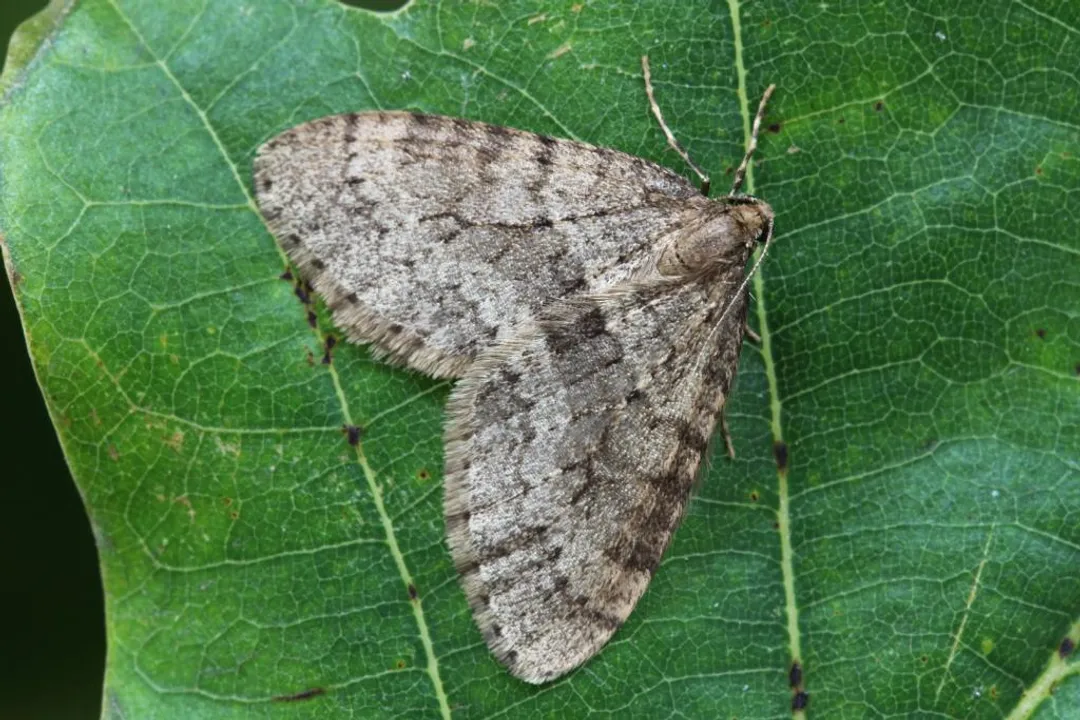
Management strategies are directly tailored to the known locations of the moth, emphasizing timing based on its life cycle phases.
# Biological Control Sites
In regions actively employing biological control methods, the "location" takes on a specialized meaning—it is an area where the parasitic wasp Cyzenus acceptus has been introduced or is being studied. Research conducted by institutions like the University of Rhode Island centers on these sites to gauge the success of introducing natural enemies that specifically target the Winter Moth's larval stage. These locations represent zones of intensive, targeted intervention rather than simple observation.
# Monitoring and Forecasts
The location data provided by organizations like the U.S. National Phenology Network (USA-NPN) functions as a predictive tool rather than just a historical record. By observing the timing of the moth's emergence across different monitoring stations, researchers can project where and when the highest risk of egg-laying will occur in a given year. This forward-looking use of location data is what transforms a simple map into an actionable tool for forest managers preparing for the subsequent spring feeding period.
If a forest owner observes a heavy presence of adult moths in their yard (their specific "location") in December, they can take this as a strong indicator that aggressive spring larval monitoring is necessary. This immediate, hyper-local observation bridges the gap between broad regional reports and individual action.
By synthesizing these observations—the general presence in the Northeast, the specific flight timing in late fall, the reliance on oak and maple, and the potential for confusion with the Bruce Spanworm—we gain a clearer picture of where and when the Winter Moth matters most. It is not simply a name on a list; it is an insect whose presence is defined by a very specific window of activity in certain tree-filled environments of the temperate world. The recurring nature of the problem, where eggs are laid in one season to feed in the next, means that a current "location" is always pointing toward a future threat that requires proactive monitoring, especially during the quiet, late-year moth flight.
Related Questions
#Citations
Winter Moths - Mass Audubon
Winter Moth – Biocontrol Lab - The University of Rhode Island
Winter moth | The Wildlife Trusts
WINTER MOTH Operophtera brumata - Maine.gov
[PDF] biological control of - winter moth - USDA Forest Service
Winter Moth Forecast | USA National Phenology Network
Winter Moth | NHBugs
Fascinating facts about winter moths - Butterfly Conservation
Bruce Spanworm & Winter Moth - Davey Tree