White-shouldered House Moth Locations
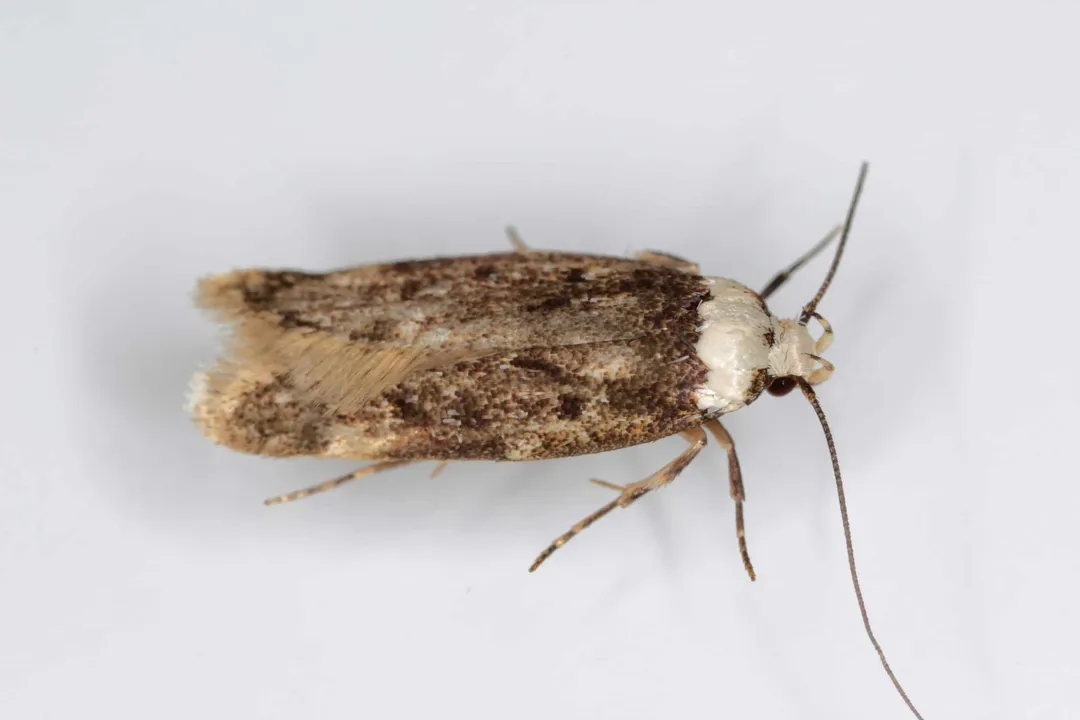
The White-shouldered House Moth, scientifically known as Endrosis sarcitrella, is a common household pest whose location is almost entirely dictated by the availability of its preferred food sources and suitable dark, undisturbed environments for larval development. [2][5][6] Understanding where to find this insect—and more importantly, where it is thriving—requires looking beyond just a general region and focusing on the specific microhabitats within homes, storage facilities, and even outdoor structures that meet its needs.
# Global Range
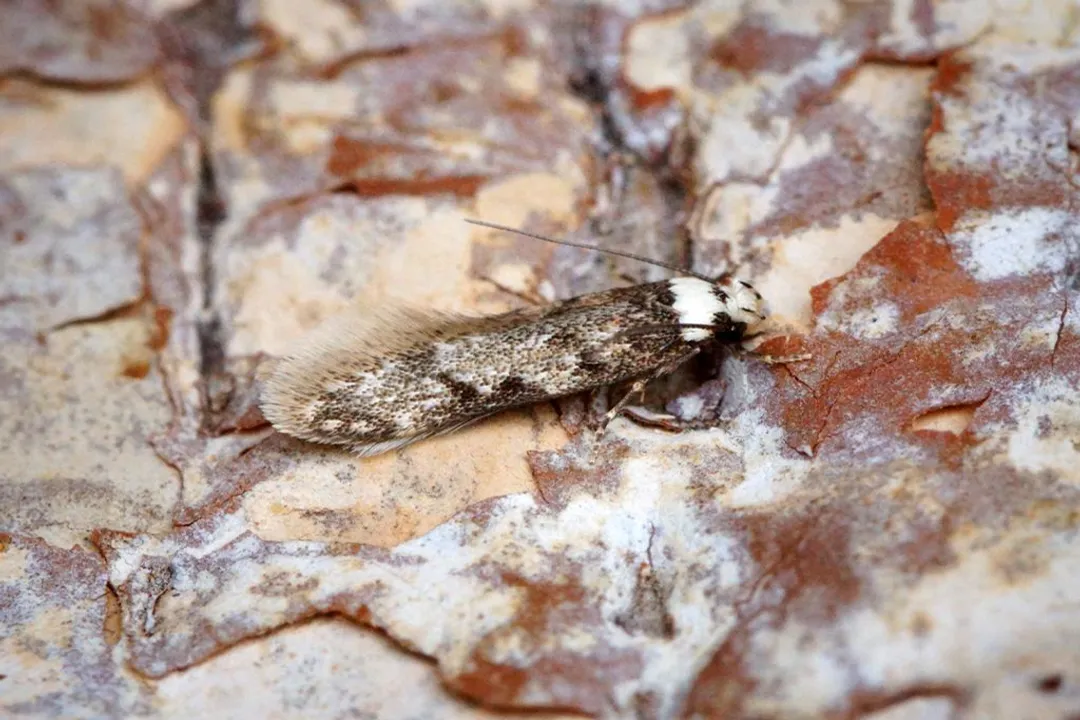
The distribution of the White-shouldered House Moth is quite extensive, suggesting it travels well, often unintentionally, alongside human goods. [2][4] It is generally considered a cosmopolitan species, meaning it is found across various parts of the world. [5] Specifically, records place it as widespread throughout Europe. [1][5] Furthermore, its presence is well-documented in North America. [5][7] While its native range might be less clearly defined, its current success lies in its ability to establish itself wherever humans store materials, particularly organic goods or textiles. [2][6] This cosmopolitan nature means that if you live in an area with established housing and stored materials, finding this moth is a distinct possibility, regardless of whether you are in a temperate or warmer climate zone, provided the indoor conditions are suitable. [4]
# Indoor Niche
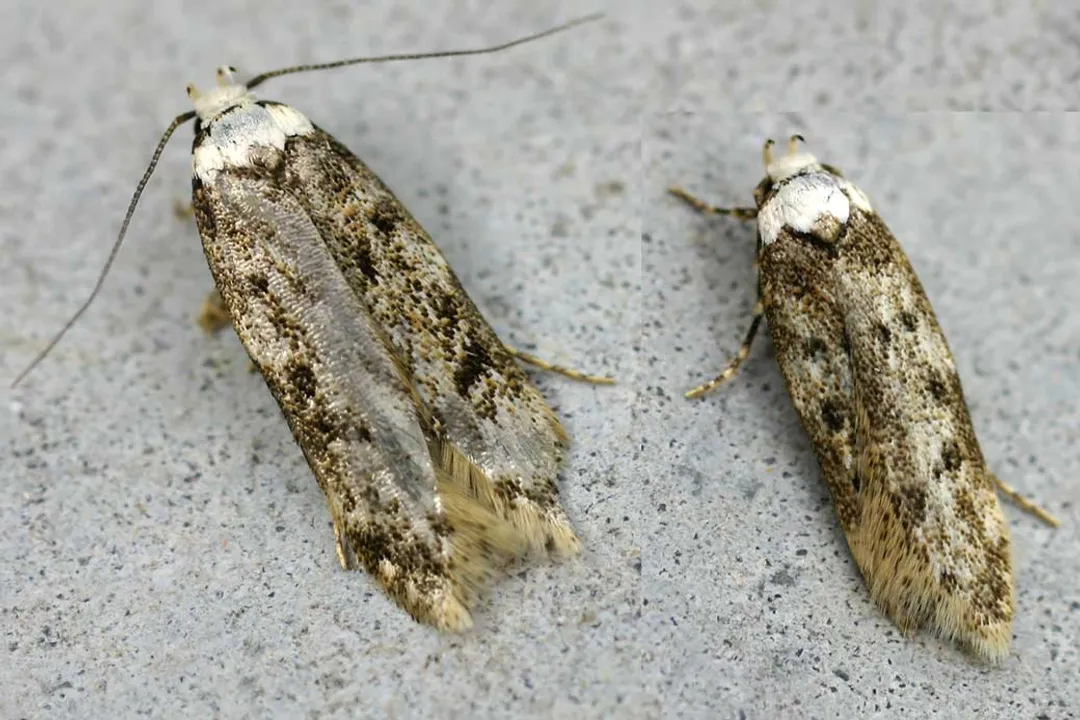
When we look inside a structure, the moth’s location shifts to areas that mimic dark, sheltered crevices found in nature. [5] They are frequently encountered in domestic dwellings, but infestations are often more pronounced in areas of low activity and higher clutter. [2] Key indoor locations include:
- Basements and Cellars: These areas often provide the darkness, relatively stable temperatures, and potential humidity that developing larvae prefer. [5][6]
- Attics and Eaves: Similar to basements, attics provide undisturbed space away from daily human traffic. [2]
- Cupboards and Pantries: Any location where food debris, spilled grains, or natural fiber clothing are stored undisturbed for long periods becomes a prime habitat. [5]
- Void Spaces: They can be found in wall cavities, under floorboards, and behind loose baseboards where dust, lint, and accumulated detritus gather. [6]
The moth’s presence indoors is almost always linked to its larval stage, which is the destructive one. [2] The adult moths themselves are often seen flying near lights at night, but their location during the day or their reproductive location is almost always hidden within these dark recesses. [7] This preference for hidden spots explains why finding an adult moth might be the first sign of an existing, established larval colony nearby. [2]
# Food Links
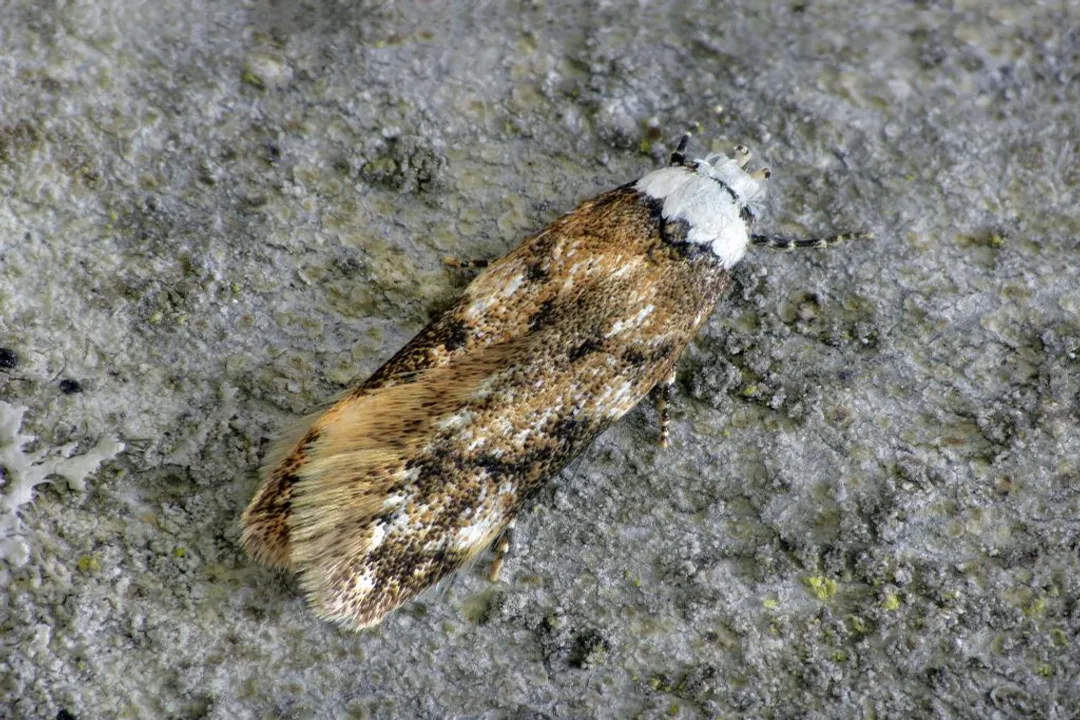
The precise location of the White-shouldered House Moth within a building is fundamentally determined by its diet. The larvae are scavengers, feeding on a wide variety of dry, often processed, organic materials. [2][5] This dietary preference acts as a map for where the moth is setting up shop.
The diet includes:
- Stored dry food products, such as grains, cereals, and dried fruits. [5][6]
- Fibers from natural materials, including wool, silk, and occasionally synthetic blends mixed with soil or debris. [2][7]
- A surprising component of their diet includes debris, shed skins, and even the droppings left behind by other stored product pests, such as clothes moth larvae or dermestid beetles. [5][6] This means the moth can colonize an area that was previously infested by a different pest, utilizing the residual waste materials. [5]
Considering this, a high-risk location isn't just a dark corner; it's a dark corner near a poorly sealed bag of flour, or a storage box filled with infrequently worn woolen sweaters. The moth is located where the food source is both present and accessible to the emerging larvae. [5]
# Sheltered Sites
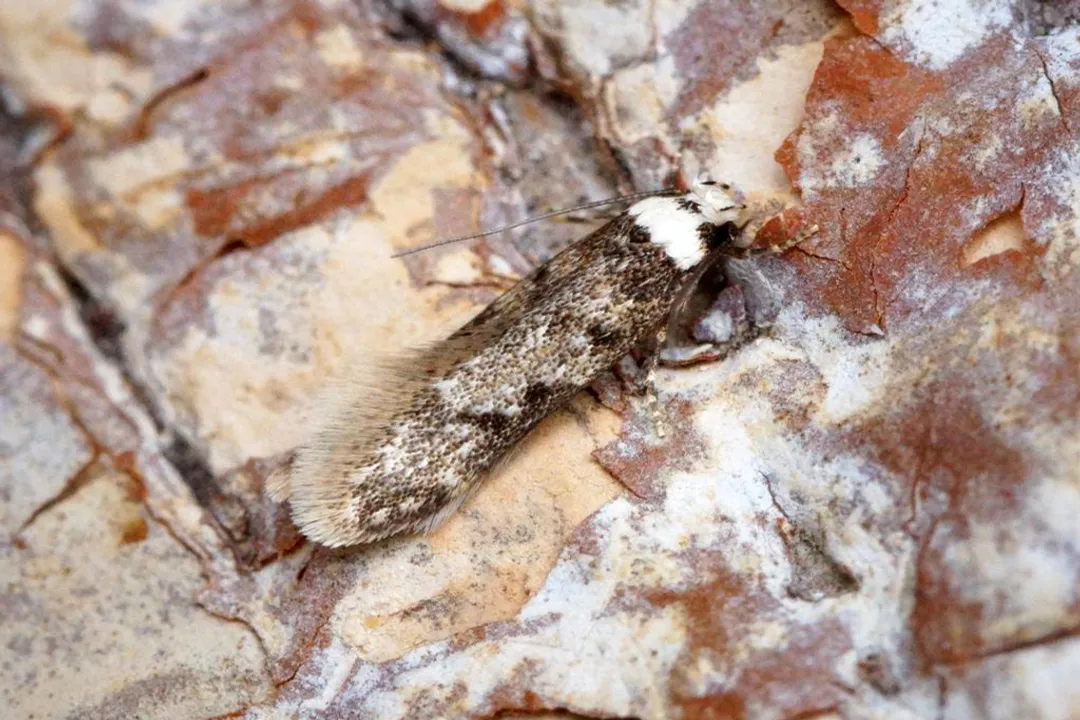
While the common name implies an indoor existence, Endrosis sarcitrella is also found in exterior or semi-exterior locations, provided they offer similar protection from weather and predators. [2][7] These outdoor locations often serve as bridging points between the environment and the home interior.
Locations outside the immediate living space can include:
- Outbuildings and Sheds: Especially those housing stored animal feed, seed stock, or old textile materials. [2]
- Under Eaves and Porches: Sheltered areas where dust and detritus accumulate against the house structure. [7]
- Bird Nests and Wasp Nests: The larvae have been recorded feeding on the debris, shed skins, and even dead occupants found within abandoned or active nests situated near buildings. [5]
The slight differences in location between the common house moth (Hofmannophila pseudospretella) and this species are worth noting. While both inhabit similar dark, debris-filled areas, the White-shouldered House Moth seems particularly adept at exploiting the detritus layer associated with human activity, often favoring pantry items and textiles over the broader range of detritus favored by its close relative. [5][6] An interesting observation regarding their presence is how they interact with general household maintenance schedules. If an area is regularly cleaned, dusted, or exposed to sunlight, the moth population density drops significantly, even if the potential food source (like a rarely used carpet remnant) remains. This suggests that the moth's location isn't just defined by the presence of food, but by the lack of disturbance near that food source. Areas receiving intermittent, light cleaning—like the back of a utility closet—are often more prone to infestation than areas that are either completely sealed off or completely spotless.
# Larval Habitats
The lifecycle stages are critical to pinpointing locations. The adult moth's presence is fleeting, but the larvae can remain active for several months, sometimes longer depending on temperature and food supply. [6] Therefore, the most significant location to control is where the larvae are actively feeding and developing. [2]
When larvae are preparing to pupate, they often leave their primary feeding site to find a secure, secluded spot nearby. This movement can sometimes result in finding pupae in unexpected places, such as behind picture frames, in the crevices of window frames, or within the folds of curtains, provided these spots offer protection and are not overly exposed to light or temperature fluctuation. [5]
To effectively manage their presence, it helps to map out the flow of potential infestation. A practical strategy that can often work well involves focusing on the "three-zone" approach based on observed habits: Zone 1 is the direct food source (pantry, linen closet); Zone 2 is the immediate surrounding area where debris falls or larvae crawl to pupate (under shelving, baseboards near the pantry); and Zone 3 is the general dark, dusty environment that supports the residual population (attics, crawlspaces). If you find larval casings or webbing in Zone 2, it often indicates a thriving, yet hidden, source in Zone 1 that needs immediate remediation. This layering effect means a single moth sighting could point to a larger, spatially spread problem tied together by accumulated dust and poor airflow.
Overall, locating the White-shouldered House Moth comes down to a search for dark, dry, and undisturbed organic matter, whether that is in the basement corner, the seldom-used coat closet, or even the detritus-filled gap between the floor joists of an old home. [2][5][7]
Related Questions
#Citations
White-shouldered House-moth | Butterfly Conservation
The White Shouldered House Moth - A Homeowners Guide
White-Shouldered House Moth | Pest Solutions
White-shouldered House Moth - Endrosis sarcitrella - A-Z Animals
White-shouldered House Moth (Endrosis sarcitrella) - iNaturalist
[PDF] Whiteshouldered House Moth Endrosis sarcitrella (Linnaeus)
White-shouldered House-moth - Endrosis sarcitrella - NatureSpot
White-Shouldered House Moth - Veseris
How to identify moths in your house 101 - Dr. Killigan's