Winter Moth Evolution
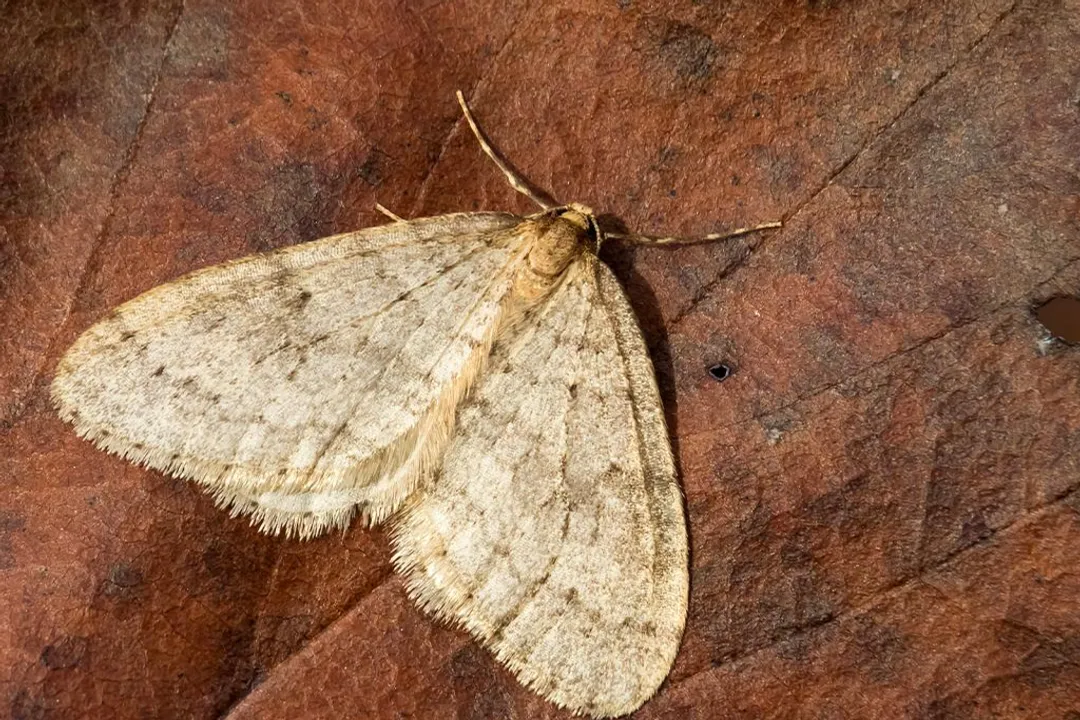
The Winter Moth, scientifically known as Operophtera brumata, is a species that presents fascinating quandaries for evolutionary biologists, largely due to its peculiar life cycle timing and the unique constraints placed upon its adult stage. These small geometrid moths are not the typical fluttering insects one might associate with summer evenings. Instead, their most active period for mating occurs deep into the cooler months, often between late autumn and early winter. A key characteristic setting them apart is sexual dimorphism in flight capability: while the males are quite capable of flying, the females are functionally flightless, possessing only rudimentary wings. This immediately sets up a compelling scenario where the evolutionary pressures acting on males (finding mates) and females (producing and securing progeny) might differ significantly.
# Flight Schedule
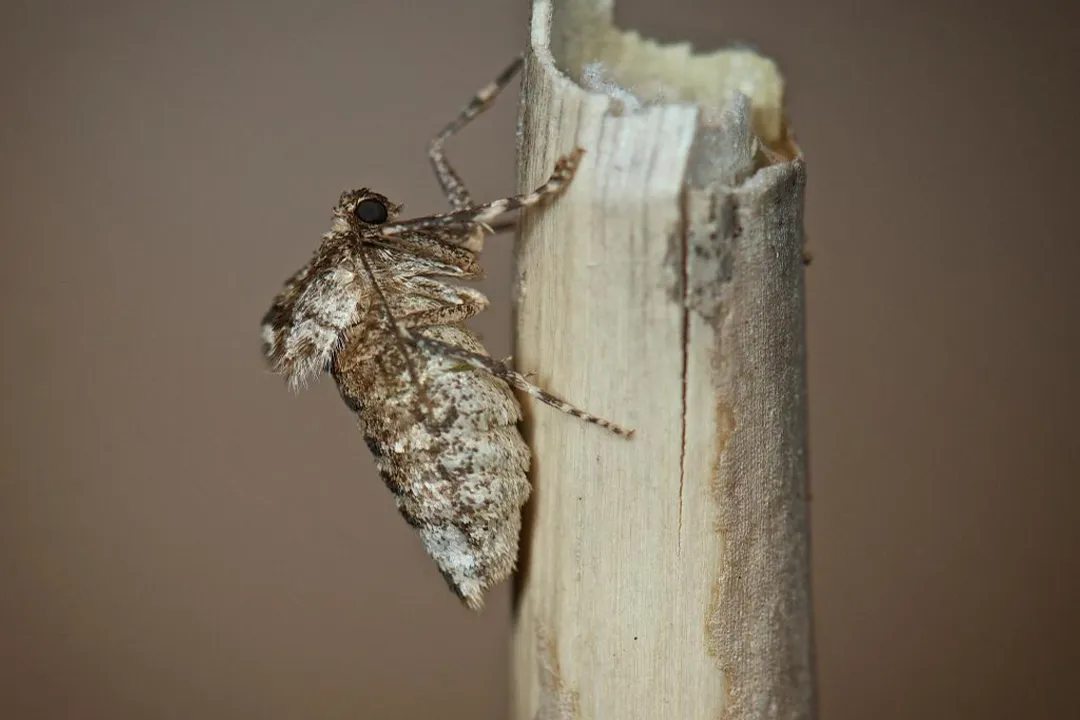
The life cycle of the Winter Moth is intrinsically linked to the temperate seasonal calendar, but with an interesting inversion compared to many other moths. The eggs overwinter, and the subsequent larvae, which are the primary feeding stage, emerge quite early in the spring. These larvae are generalist feeders, consuming the new foliage of numerous deciduous trees and shrubs, including common species like oak and birch, as well as heather. Once the larval feeding phase is complete, they pupate, and the adults emerge later in the year to continue the cycle. It is this late-season emergence that forces the adults to deal with significantly different environmental cues than their summer-active counterparts. The male moths must be ready to locate the sedentary females who are busy preparing for oviposition during the short window when both sexes are mature and ready to reproduce, typically spanning late October through early December.
# Timing Mismatch
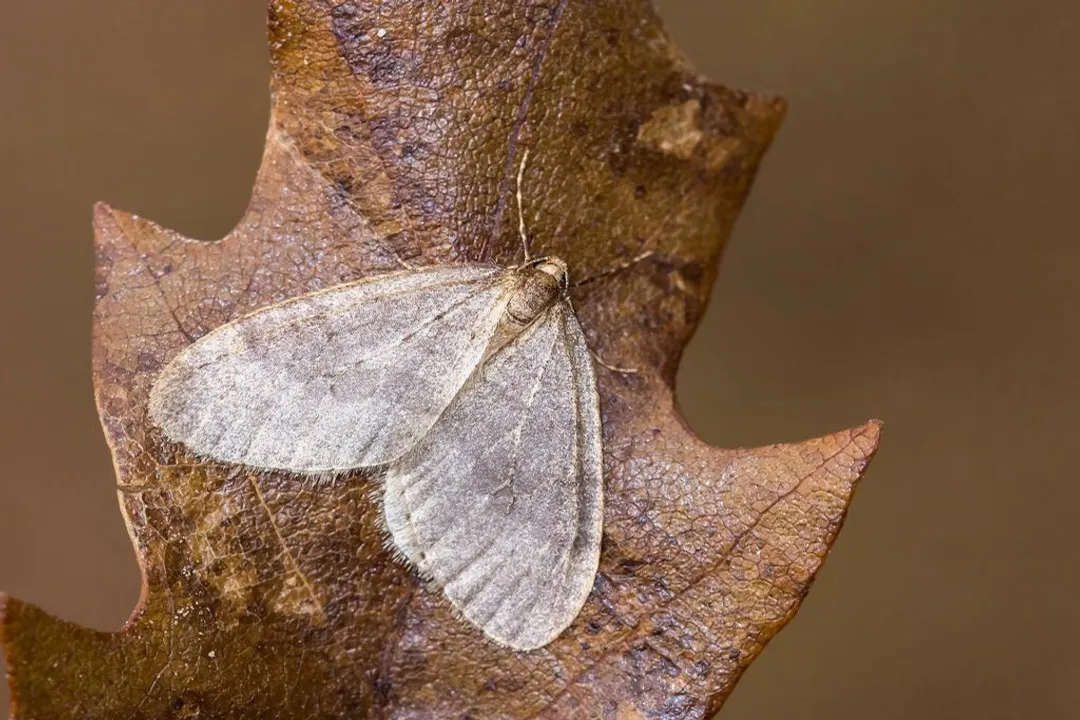
The critical evolutionary stage, however, is less about the adult flight period and more about the larval hatch date in relation to their food source: the plant foliage. This relationship is where environmental shifts, particularly climate change, exert strong selective pressure on the species. For the larvae to maximize their growth rate and developmental success, they must hatch precisely when the host plant leaves are fresh, nutritious, and readily available. This synchronized timing between an insect’s development and its food resource is known as phenology. When spring temperatures warm earlier than they historically have, the plants respond quickly, flushing new leaves sooner. If the moth's egg hatching time—which is often cued by internal dormancy or winter chilling requirements—does not shift at the same rate, a phenological mismatch occurs.
When this mismatch happens, the larvae may emerge too late, finding foliage that is already tougher, less nutritious, or simply too advanced for optimal feeding. Conversely, if the insect adapts too quickly and hatches too early, it risks starvation if a late cold snap delays the plant’s leaf-out, a situation that can lead to immediate fitness decline for the individual. Research focusing on the eco-evolutionary dynamics of the Winter Moth often centers on quantifying this delicate balance and observing the resulting fitness consequences when the synchronization breaks down. Studies have shown that such mismatches directly affect individual fitness, underscoring the power of this temporal constraint as an evolutionary driver.
It is fascinating to consider that the selection pressure gradient across the moth’s range is likely not uniform. In the northernmost edges of its territory, where spring warming might still be insufficient to cause a drastic mismatch, the selective force for earlier hatching might be weak or even detrimental if the cues are already slightly mistimed. Yet, in southern or milder regions already experiencing significant warming trends, the pressure to advance the hatching date must be intense. A population that can consistently hatch its young in sync with the earliest possible leaf-out dates will invariably leave more offspring than a population lagging behind, illustrating natural selection acting on a physiological trait with immediate ecological consequences.
# Fitness Impact
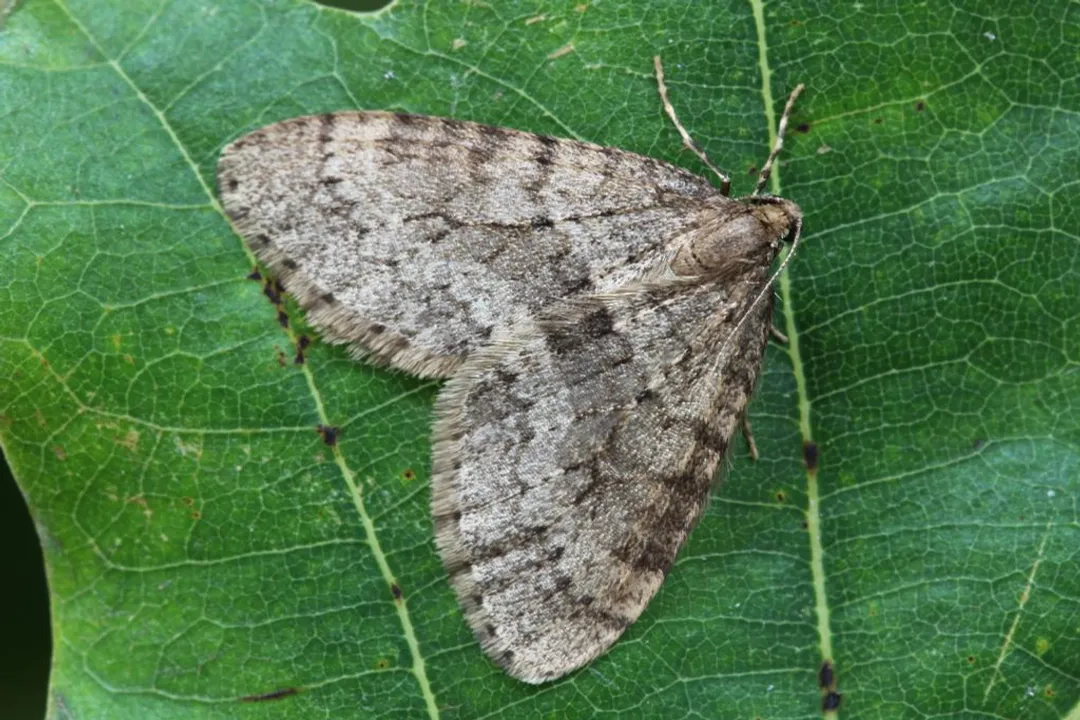
The direct consequence of this phenological sorting is on survival and reproductive success. When the match between insect and plant is perfect, the larvae thrive, leading to a robust adult population the following autumn. However, the data from relevant studies clearly indicates that the fitness of individuals is negatively impacted when the timing drifts apart. Researchers studying this phenomenon can quantify the fitness reduction based on the number of days of divergence from the optimal hatch time. For instance, if a population is tracking the warming trend but lagging by just a few days each decade, the cumulative effect on the generational fitness can be substantial, especially in years where the plant response is particularly extreme.
The entire system—egg dormancy, larval development rate, and adult timing—is a complex trait subject to evolutionary pressures. While one might assume that the flightless female's timing is governed primarily by photoperiod (day length) cues established in the previous year, the larval hatch timing is likely dependent on accumulated degree days or chilling hours, making it more plastic or responsive to immediate temperature fluctuations. The relative flexibility of these cues dictates which part of the life cycle is most easily modified by selection. Given the documented impact, it is expected that traits governing the timing of egg hatch are under strong selection to keep pace with the advancing spring.
# Selection Pressures
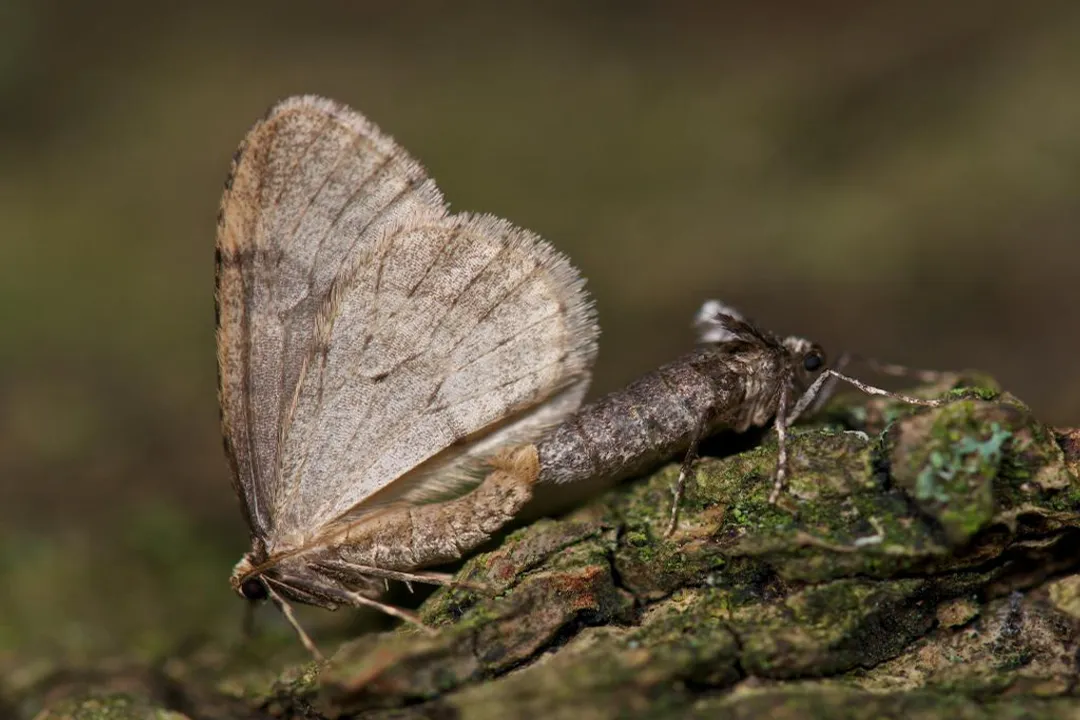
The evolutionary response available to the Winter Moth hinges on variation within the population regarding the triggers for development. If the genetic variation exists for females to lay eggs that require fewer chilling units to break dormancy, or if the subsequent larval stage can simply tolerate a wider range of leaf maturity, then those genotypes will persist. Conversely, if selection favors a slightly delayed flight period for the adults, perhaps to avoid an unusually cold or late spring that kills early emerging larvae, that pressure could potentially pull the entire reproductive cycle slightly later, though the constraints on the flightless female make this less likely to be the primary adaptation mechanism.
A key consideration in the study of these rapid evolutionary changes, often involving traits like emergence timing, is the potential for evolutionary traps. While a population might currently be adapting, if the rate of environmental change—in this case, the acceleration of spring warming—exceeds the rate at which the moth can genetically adapt or disperse to more suitable climates, the population faces a significant risk of collapse, even if its current fitness appears stable under moderate conditions. The intense focus on understanding the eco-evolutionary dynamics suggests that researchers are keenly aware that this is not just a slow, steady evolutionary drift but potentially a race against an accelerating climatic trend. Maintaining large, connected populations allows for the necessary genetic variability to fuel this adaptation.
# Ecological Role
While the evolutionary story is centered on climate synchronization, it is useful to contextualize the moth within its environment. Operophtera brumata is a widespread species, found across Europe and introduced to North America. In many North American contexts, it is noted as a defoliating pest, capable of causing significant damage when populations flare up, often in conjunction with specific host tree dominance. Understanding the specific triggers—like those found in the genetic or environmental data curated in specialized portals dedicated to the moth—is therefore not just an academic exercise, but potentially important for forest management strategies.
The fact that the species is well-studied enough to warrant extensive bioinformatics resources and dedicated eco-evolutionary research projects speaks to its ecological relevance, whether as a native component whose dynamics are shifting or as a significant pest species whose outbreaks might also be influenced by these same phenological pressures. The variability in larval feeding habits, moving between oak, birch, and heather, provides a buffer; a failure on one tree species might be compensated for by success on another, adding a layer of complexity to the fitness calculations that researchers must account for when modeling population stability. The continued investigation into the genetics and ecology of this seemingly simple moth reveals a microcosm of the challenges facing many insect species navigating a rapidly changing world.
Related Questions
#Citations
Winter moth - Wikipedia
Phylogeny of Geometridae & Winter Moth Evolution
The Genome of Winter Moth (Operophtera brumata) Provides a ...
Phenological mismatch affects individual fitness and population ...
Postglacial recolonization shaped the genetic diversity of the winter ...
Eco-evolutionary dynamics in the winter moth, Operophtera brumata
Winter Moth Genetic Population Structure in Fragmented Landscape
[PDF] Serial invasions of the winter moth, Operophtera brumata, to North ...
Wintermoth genome - Bioinformatics
Winter Moth - Butterfly Conservation