Where are scorpions mainly located?
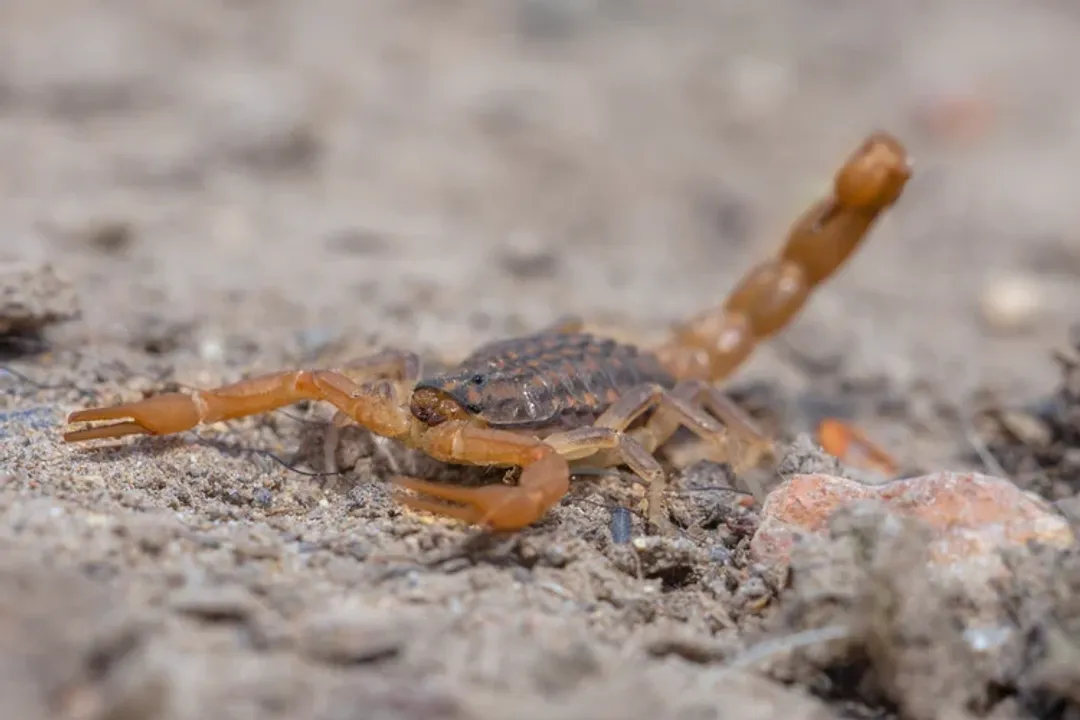
Scorpions, those ancient arachnids instantly recognizable by their pincers and tails, occupy a vast range across the globe, though their presence is far from uniform. To pinpoint where they are mainly located, we must look past individual sightings and consider broad climatic and geographic patterns that favor their specialized survival tactics. [3] They are widely distributed, covering nearly every continent, with the notable exception of Antarctica, where freezing temperatures make life impossible for these cold-blooded creatures. [3][4]
# Worldwide Presence
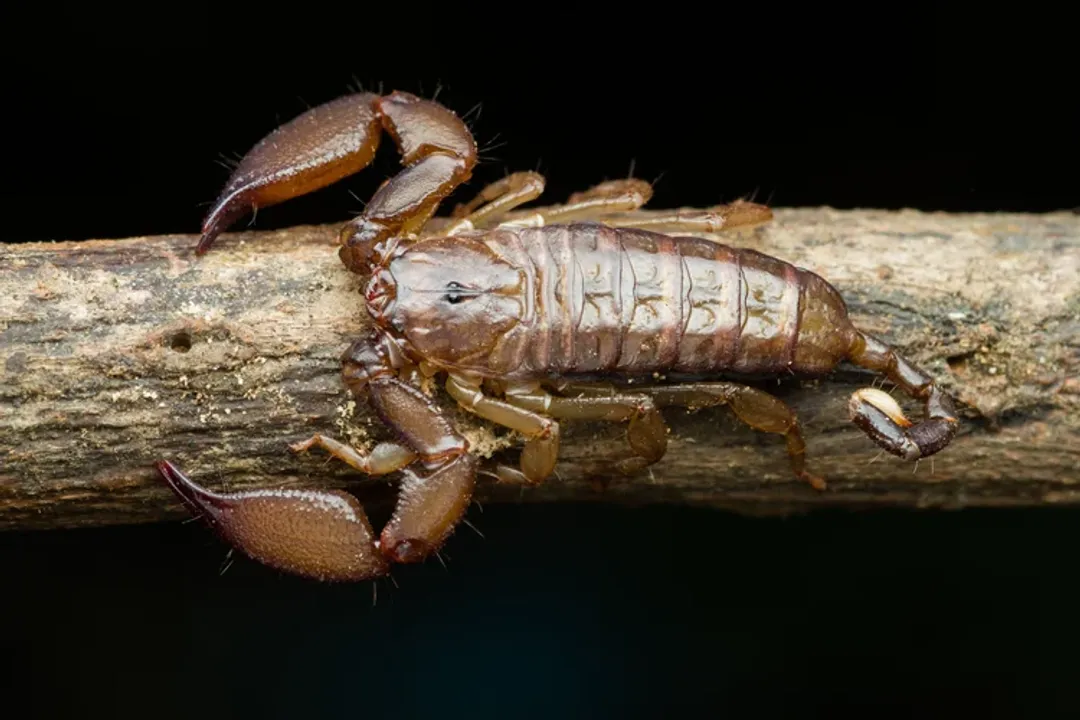
The general rule of thumb places scorpions predominantly in tropical and subtropical zones. [3] This accounts for the majority of the more than 2,500 known species that exist today. [3] While this indicates a preference for warmth, the term "tropical" encompasses a huge variety of environments, from humid rainforests to scorching deserts, suggesting that temperature is only one part of the location puzzle. [3] Their distribution is more about finding suitable shelter and managing moisture balance than simply existing in the hottest places on Earth. [4]
# Desert Dwellers
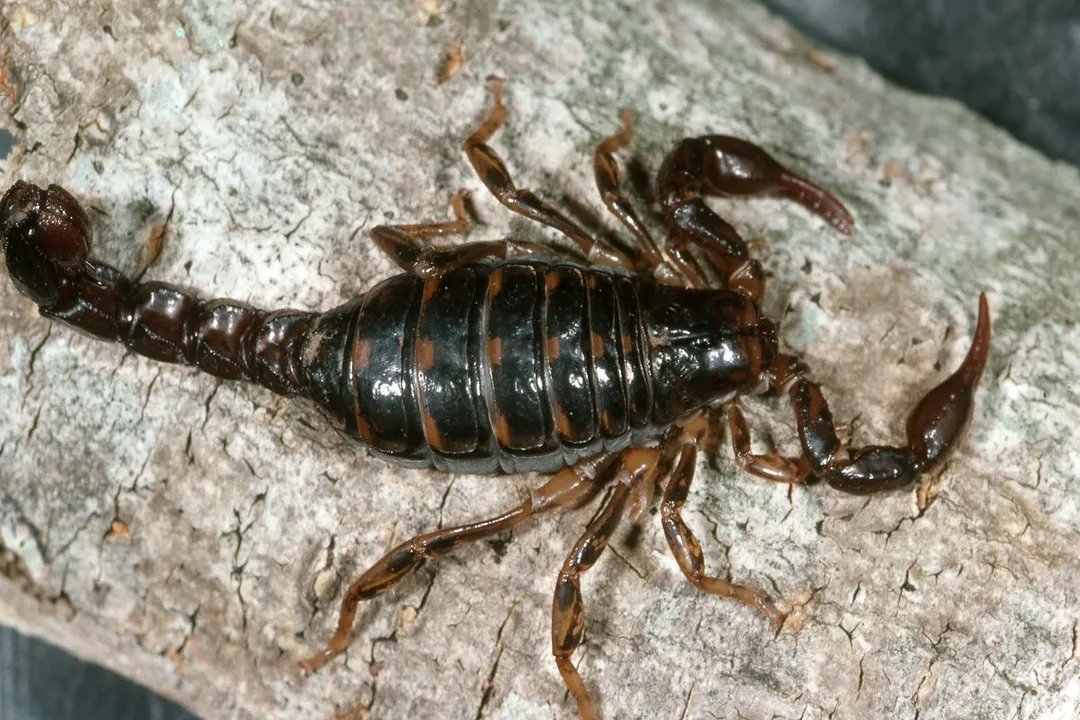
If one were to sketch a map showing the highest densities of scorpion populations, the resulting picture would heavily feature arid and semi-arid landscapes. [1][5] Deserts, scrublands, grasslands, and savannas are the quintessential scorpion habitats. [2][4] These environments offer vast expanses of ground perfect for burrowing and provide the necessary exposure to heat that allows them to maintain their body temperature. [1] The dry conditions, counterintuitively, often suit them because they have evolved remarkable physiological methods for conserving water, allowing them to persist where many other animals cannot. [4]
For instance, in North America, the concentration of species is strikingly high in the Southwestern United States. [1] States like Arizona, Texas, and New Mexico represent prime scorpion territory, matching the classic arid habitat profile. [2] This arid preference is a shared characteristic across many of the groups found worldwide, connecting populations in the deserts of North Africa, the Middle East, and parts of Australia. [5]
# Notable Regions
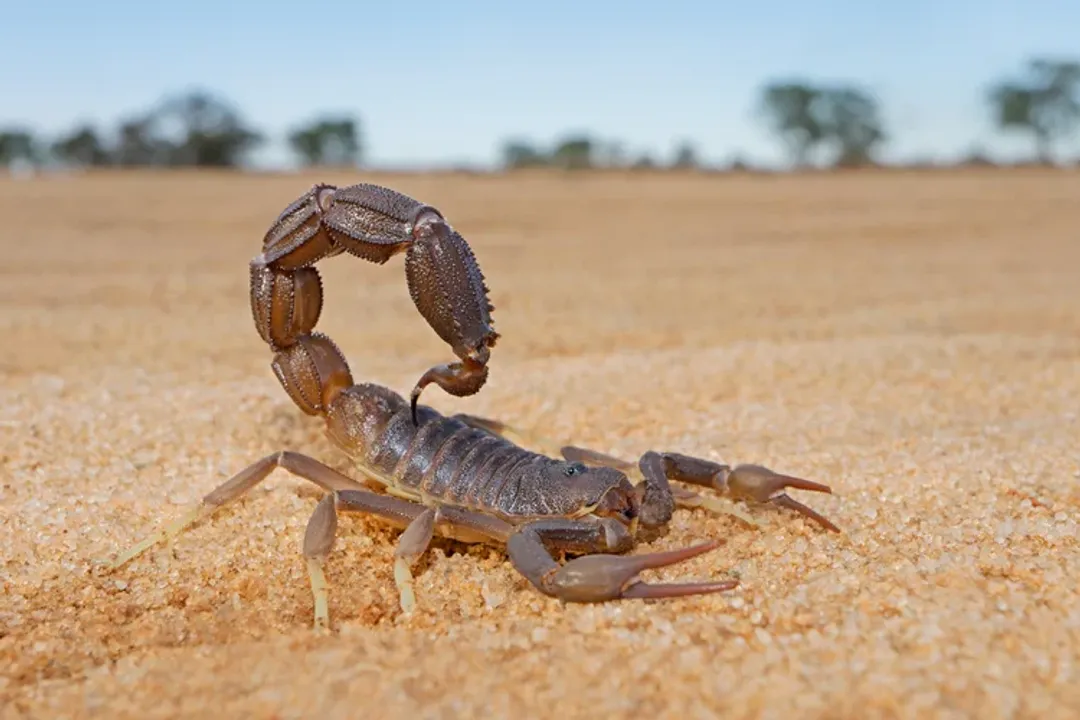
Geographic delineation helps clarify the main locations. Beyond the broad biomes, specific regional clusters stand out based on established species diversity and population concentration. [1]
In the United States, the concentration of species and the prevalence of medically significant species, such as the Arizona Bark Scorpion, make the Southwest the area of highest public concern and natural occurrence. [1] However, it is important to note that scorpions are also found in areas slightly removed from true desert, such as grasslands and chaparral environments in parts of Texas or California. [2]
When looking internationally, locations known for significant scorpion presence include:
- Mexico: Sharing climates and geology with the US Southwest, Mexico hosts numerous species. [1]
- North Africa and the Middle East: These regions are classic homes for many large and venomous species. [5]
- Australia: Despite being geographically distant, certain Australian regions feature native scorpion populations, often adapted to their unique arid zones. [5]
- South America: Specific temperate and subtropical zones on this continent also support varied scorpion fauna. [3]
An interesting comparative point arises when contrasting the distribution of the Emperor Scorpion, one of the largest species found mainly in African forests and savannas, with the smaller, highly venomous species dominating arid North American scrublands. [1] This illustrates that while the group favors warmth and dryness, specific species have adapted to niches within the warmer latitudes, ranging from moist woodland floors to open sand dunes. [4]
# Shelter Seeking
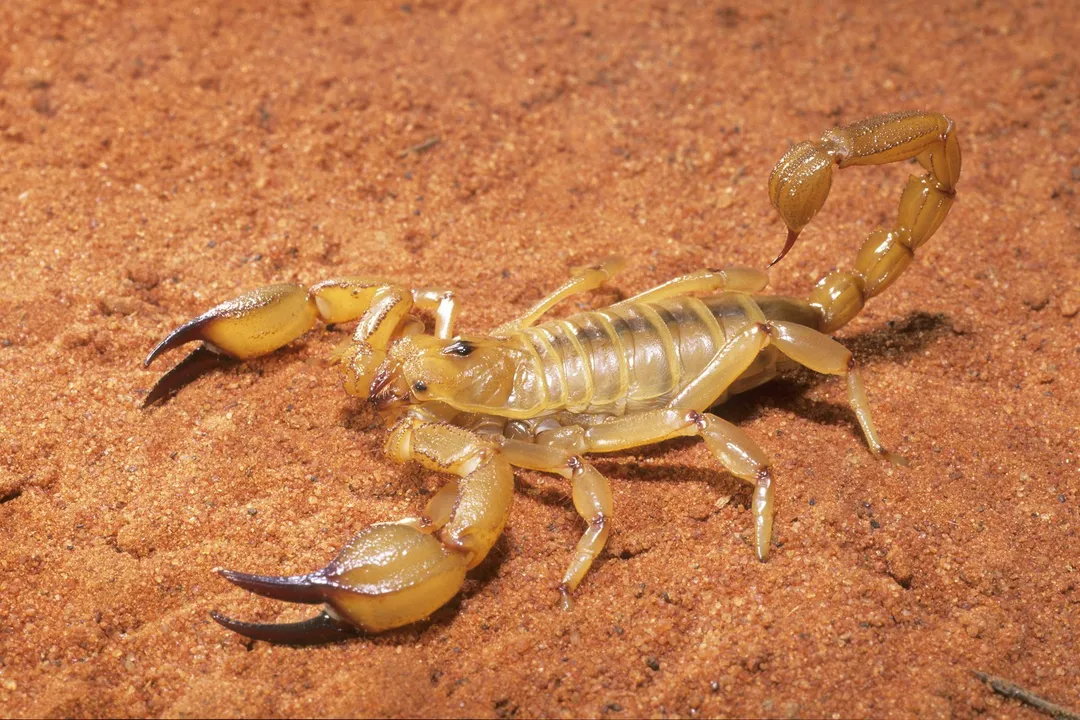
The question of where scorpions are located is as much about shelter as it is about geography. Regardless of whether they live in a rocky desert or a suburban yard, scorpions share a fundamental need: dark, protected resting spots. [4] During the day, when temperatures rise, they retreat underground or deep within crevices to avoid desiccation and overheating. [1]
Common natural hiding spots include:
- Under rocks and stones [1][5]
- Beneath logs, bark, or thick leaf litter [1][5]
- In crevices of rock outcroppings [4]
- Burrows they dig themselves, which can be surprisingly deep [1][4]
This inherent need for cover directly explains why they frequently turn up in human-occupied areas when those areas mimic natural shelters. When scorpions move into homes or structures, they are primarily seeking consistent temperature regulation and darkness, often found in areas near the foundation, in basements, crawl spaces, woodpiles, or even stacks of stored materials. [1][2][5] It is insightful to observe that in semi-arid suburban interfaces, the transition from natural debris (like discarded lumber or concrete slabs) to artificial debris (like stored boxes in a garage) represents almost no ecological barrier for a persistent scorpion looking for a daytime retreat. [1]
# Survival Traits
The success of scorpions in these challenging environments hinges on their adaptations, which dictate where they can thrive. They are fundamentally nocturnal hunters. [4] This activity pattern is critical; it allows them to hunt when ambient temperatures are cooler and predators that rely on sight are less active, while their daytime hours are spent resting in their chosen refuge. [4]
Their ability to survive long periods without food or water gives them an advantage in drylands where resources fluctuate drastically. [4] They possess slow metabolisms and are highly efficient at retaining moisture, which allows a population to persist in a seemingly barren area, emerging only when conditions—often after a rare rain—are optimal for foraging. [4]
It is crucial for homeowners or land managers to understand that a sighting of a scorpion far outside the typical desert zone—say, in a humid, wooded area—should prompt closer investigation. Such a find might not indicate a massive, thriving desert population spilling over, but rather the presence of a highly adaptable, perhaps localized species that has found a suitable, cool, moist microclimate near a foundation or retaining wall, effectively mimicking a favorable natural habitat on a small scale. [2] The habitat is less about the macroclimate and more about the availability of darkness, stable temperatures, and immediate access to prey, which structures around human habitation often provide in abundance. [1][5]
# Indoor Presence
While their main location is outdoors in warm, dry biomes, their secondary, often concerning, location is inside human dwellings. [2][5] They are generally considered occasional invaders rather than true indoor pests like ants or termites, but they do seek shelter indoors for the same reasons they seek shelter outdoors: darkness and protection. [2]
Areas that serve as entry points or primary indoor habitats often include:
- Basements and Crawlspaces: These areas are typically dark, cool, and often have soil contact, offering a buffer from external temperature swings. [2][5]
- Garages and Storage Areas: Piles of wood, boxes, or stored equipment provide the rock-like cover they crave. [1]
- Wall Voids: Cracks or gaps in the exterior siding or foundation can become highways into the interior structure. [2]
If you are evaluating a property in a scorpion-prone region, a practical assessment involves looking at the immediate surroundings: excessive firewood stacked against the house, dense, unmoved debris piles near the exterior walls, or unsealed gaps where utility lines enter the home are all local indicators that you are creating an attractive secondary habitat, thereby increasing the likelihood of finding these creatures inside, regardless of the broader desert setting outside. [2] Their location is often a direct consequence of human-made opportunities for shelter.
#Videos
North America's DEADLIEST Scorpion ISN'T from the Desert
Related Questions
#Citations
Scorpion Habitat - Where Do Scorpions Live? - Orkin
Where do Scorpions Live? (Hint: It's Not Just Arizona!)
Scorpion | San Diego Zoo Animals & Plants
Scorpion | Description, Habitat, Species, Diet, & Facts | Britannica
Scorpions - The Australian Museum
Exploring Where Scorpions Live in Your Home - Terminix
Video: What is a Scorpion? | Habitat, Facts & Types - Study.com
North America's DEADLIEST Scorpion ISN'T from the Desert
Scorpions | Facts, Habitat & Stings - Western Exterminator