What damaging stage of the *Operophtera brumata* life cycle occurs much earlier in the year than the adult moth flight?
Answer
The damaging larval stage
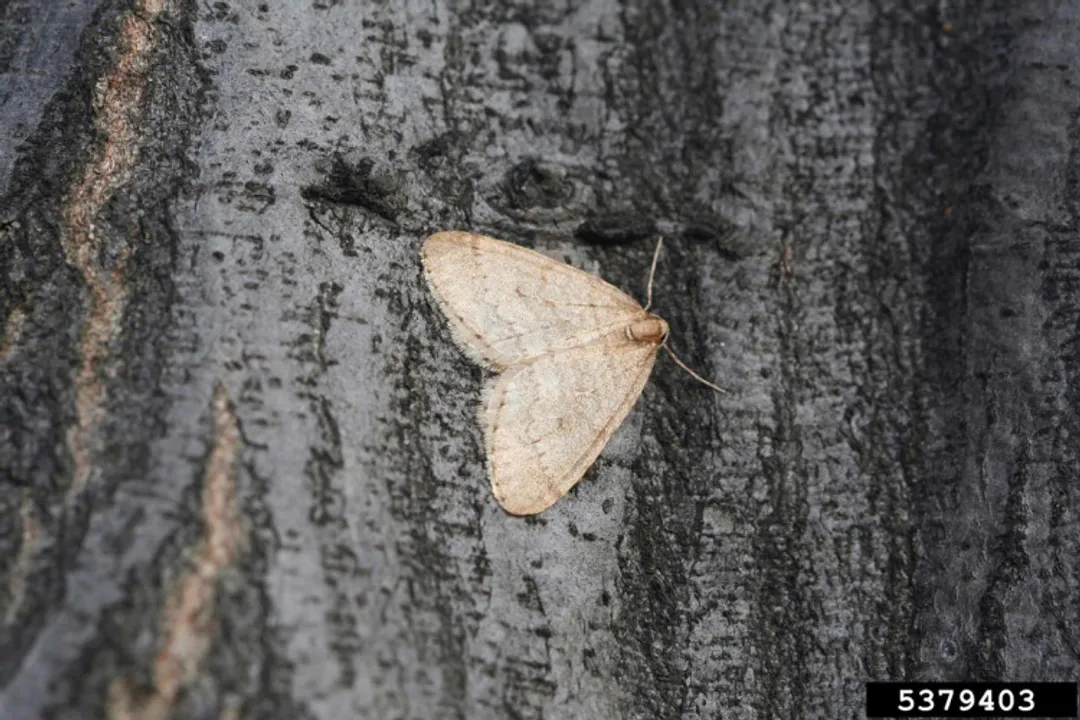
A key distinction in understanding the Winter Moth's impact across seasons lies in recognizing when the damage occurs relative to when the adult moths are seen. While adult moths are actively flying and laying eggs in late fall and early winter, the stage responsible for causing significant defoliation and damage to the forest canopy is the larval stage. This damaging feeding period occurs much earlier in the following spring, when the larvae emerge to feed on the newly emerging leaves. Therefore, monitoring the flying adults in December provides the location for future egg laying, not the location of the immediate spring threat.
Related Questions
Which northeastern US states are specifically noted for having a concentrated presence of the Winter Moth?What is the surprisingly narrow, late-autumn flight window for the adult Winter Moth in the northern hemisphere?What are the primary host trees that dictate the ecological perimeter of the Winter Moth's impact?What damaging stage of the *Operophtera brumata* life cycle occurs much earlier in the year than the adult moth flight?What is the key differentiator in peak flight timing between the Winter Moth and the Bruce Spanworm?Where are the eggs of the Winter Moth laid, which directly correlates with spring defoliation locations?What is the specific role of the parasitic wasp, *Cyzenus acceptus*, in biological control sites for the Winter Moth?Which specific institution is mentioned regarding research focusing on biological control sites for the Winter Moth?What predictive function does the location data provided by the U.S. National Phenology Network (USA-NPN) serve?What feature is shared between the adult male Winter Moth and the adult male Bruce Spanworm?