Winter Moth Facts
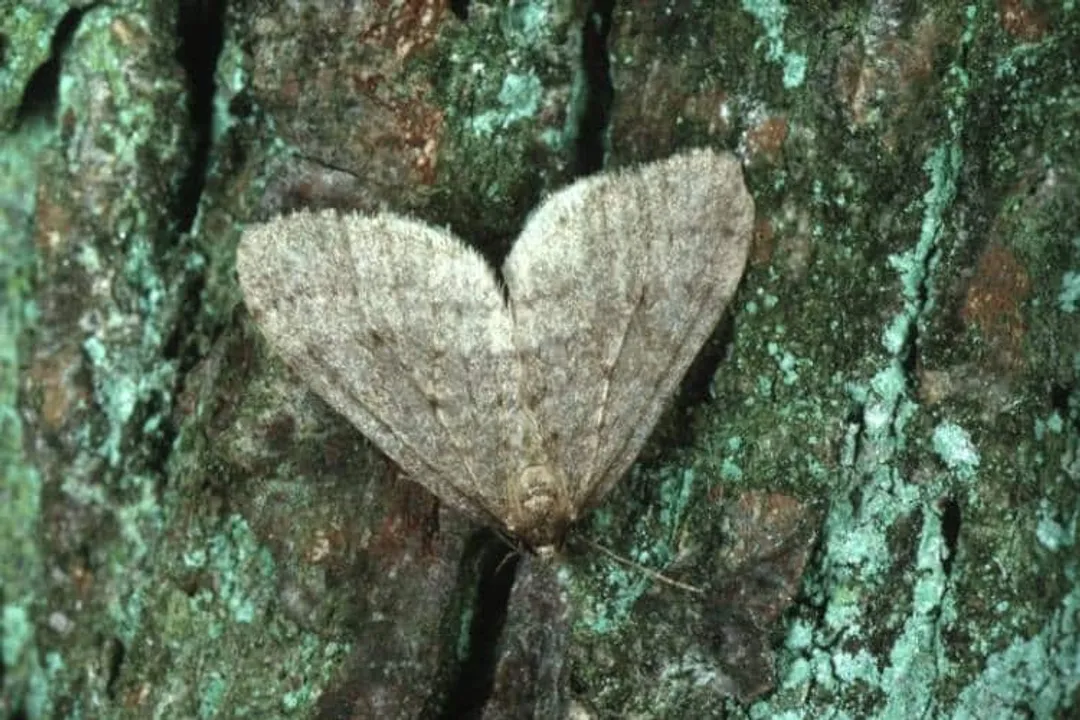
The Winter Moth, Operophtera brumata, presents a confusing picture for anyone observing nature in the late autumn or early winter months, as it is one of the few lepidopterans active when temperatures dip low. [1][6] This relatively small insect is often seen flying during daylight hours or twilight, sometimes even when snow is on the ground, which sets it apart from the majority of moth species that prefer warmer, darker conditions. [3] This late-season activity is intrinsically linked to its unusual life cycle and the subsequent damage it inflicts the following spring. [6] While it might seem counterintuitive for an insect to emerge in cold weather, this timing is a precise adaptation related to mate-finding before winter truly sets in. [3]
# Appearance
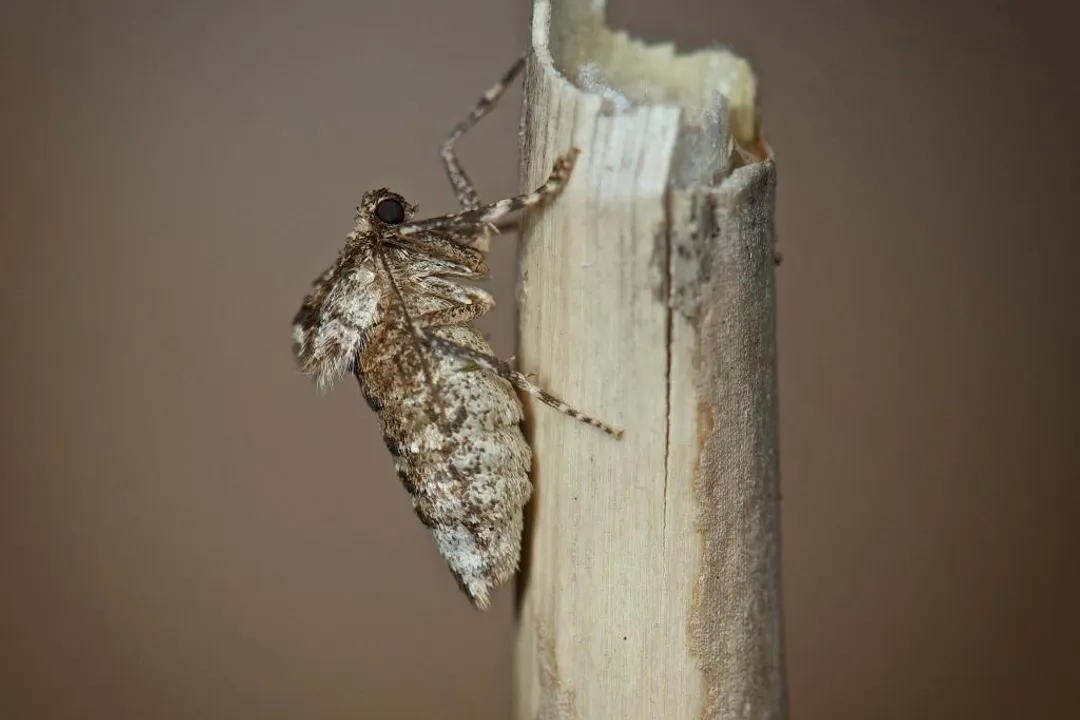
The adult moths exhibit noticeable sexual dimorphism, meaning the males and females look quite different. [2][5] The male Winter Moth is a typical-looking moth, possessing light brown or greyish-brown wings that feature faint, irregular cross-lines. [1][2] The wingspan for the male usually ranges from about $25$ to $30$ millimeters. [1] In stark contrast, the female is quite different in her mobility and appearance. [2] Female Winter Moths are often described as being almost entirely wingless, or having only very small, functionless wing remnants. [2][5] They typically appear as small, dark, spider-like creatures, lacking the flight capability of their male counterparts. [1][6] This difference means that mating relies entirely on the males locating the sedentary females on trunks or low vegetation during their brief flight window. [3]
# Flight Times
The adult emergence period is remarkably consistent, generally occurring between October and December, though activity can sometimes extend into early January depending on local climate conditions. [1][7] The flight season is the window of vulnerability for the adult stage, as the females are essentially stuck where they emerged. [2] When temperatures are mild enough, males can be seen flying actively, often near sources of light or around trees where females might be resting. [3] This compressed flight window—often just a few weeks—is critical for reproduction before the deep freeze sets in. [6] This timing is a unique ecological niche; while the moths are active in winter, the larvae, which are the damaging stage, are not present until the following spring when deciduous trees begin to bud. [3]
# Life Stages
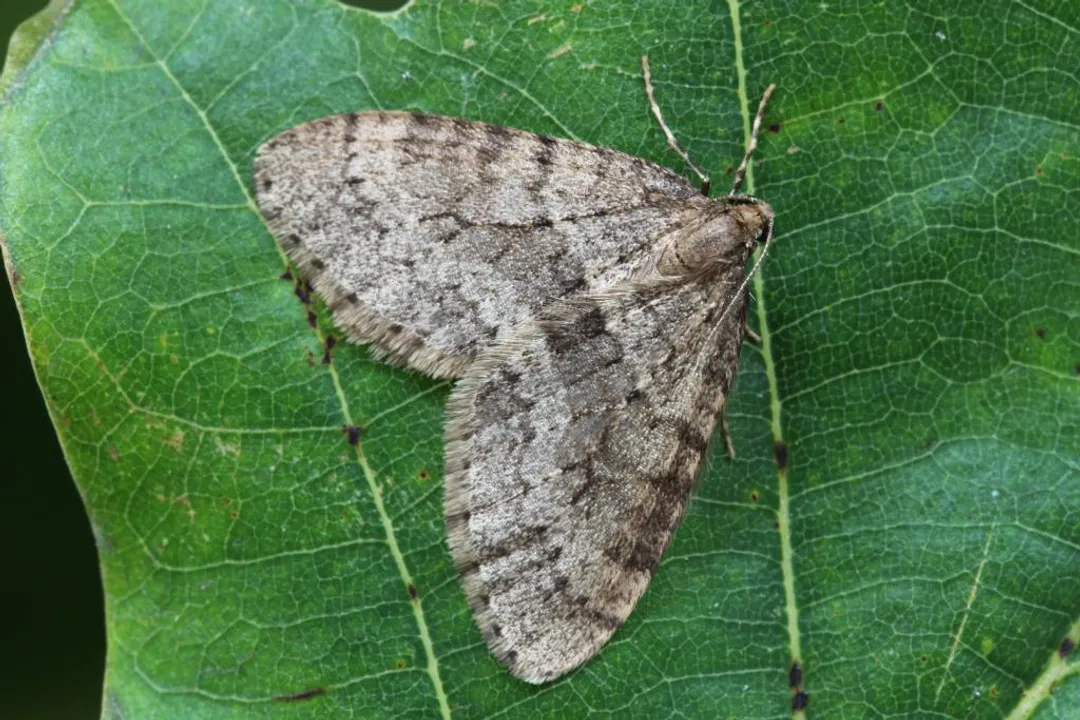
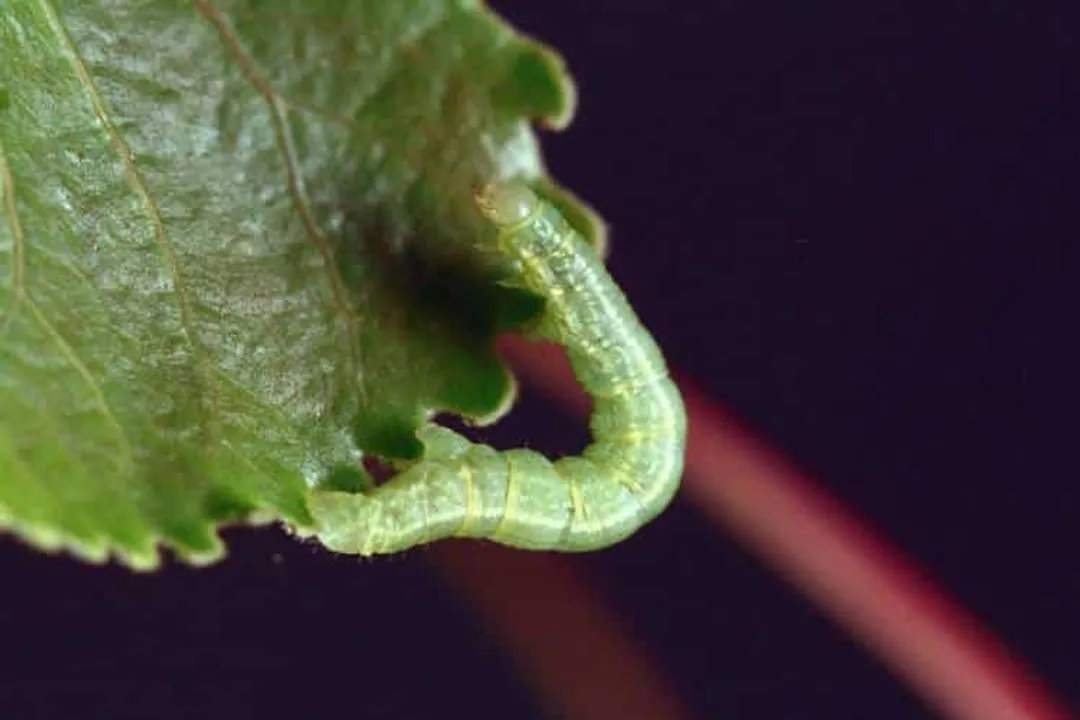
The life cycle of the Winter Moth is characterized by overwintering as an egg. [7] After the late autumn mating, the female lays her tiny, ridged eggs, usually in clusters on the bark of host trees, often near buds or in crevices. [2][5] These eggs remain dormant throughout the cold winter months. [7] When spring arrives and temperatures rise, the eggs hatch, releasing the destructive larval stage. [2] The caterpillars are small and greenish-yellow, sometimes marked with longitudinal black lines. [1] These larvae are voracious eaters, targeting tender, newly emerging leaves and flower buds on a wide array of deciduous trees. [6] The feeding frenzy of the caterpillars usually occurs from late April through June. [7] Once they have completed their feeding, often by mid-summer, the larvae drop to the ground to pupate in the soil, remaining there until the next autumnal flight period. [2][5]
# Range Status

The Winter Moth's status varies significantly depending on geographic location. [4] In its native Europe, Operophtera brumata is a common species, though it can still occasionally cause localized outbreaks. [6] However, the insect has established itself as an invasive species in parts of North America. [4][7] It was first detected in Massachusetts in the early $1990$s and has since spread across New England and into eastern Canada. [4][7] Furthermore, populations have also been recorded in the Pacific Northwest, including Washington state. [8] For North American forests, particularly in regions like Maine, the presence of the Winter Moth is a major concern due to its potential to cause severe, repeated defoliation of preferred trees. [7] Where it is established, management efforts often focus on minimizing its impact, contrasting with areas where it is simply a native, albeit late-season, sight. [9]
# Tree Impact
The primary ecological and economic concern surrounding the Winter Moth stems from the feeding activity of its larvae, not the adults. [7] The caterpillars show a strong preference for the foliage of many broadleaf hardwood trees. [4] Among their favorite hosts are oak (Quercus species), maple (Acer species), apple, and blueberry. [1][4][7] When populations are high, these larvae can consume nearly all the leaves on a tree, leading to complete defoliation. [7] While established, healthy hardwood trees can usually survive one or two years of complete defoliation by re-leafing, repeated stripping over multiple consecutive years can severely weaken the tree, making it susceptible to secondary pests, disease, or death. [4][5] This cyclical impact on forest health is what drives significant management interest in invaded areas. [7] It is interesting to note that the adult moth's unusual cold-weather emergence dictates that the most vulnerable, newly-tender spring growth is precisely when its offspring are most actively feeding, a high-risk strategy for the host plant. [3][7]
# Control Methods
Managing the Winter Moth, especially in North America where it is considered invasive, involves several tactical approaches aimed at interrupting its lifecycle. [4][9] Because the flight period is late and the females cannot fly, some localized control efforts can focus on trapping males or physically preventing them from reaching females, though the sheer numbers involved can make this difficult on a large scale. [3] For larval control in the spring, insecticides can be applied directly to the foliage while the caterpillars are still small and actively feeding. [7] However, a key area of research and application involves biological control agents. [9] Introducing natural enemies from the moth's native range is a common strategy for managing invasive pests. [9] For instance, parasitic wasps, such as Cyzenus argus, which lay their eggs inside the Winter Moth larvae, have been released in some areas to help regulate the population naturally. [9] Another management tactic involves selecting appropriate tree species for planting in heavily infested areas, favoring those trees that are naturally less palatable to the larvae, thereby creating a more resilient landscape over time. For example, while oaks are highly susceptible, some conifers are generally ignored by the larvae. [4][5] This integrated approach acknowledges that while total eradication is unlikely, keeping defoliation levels low enough that trees can recover easily is the primary management goal. [7]
Related Questions
#Citations
Winter Moth - Butterfly Conservation
Winter moth - Wikipedia
Winter Moth | Vermont Invasives
Winter Moth - Environmental Factor
Winter moth | The Wildlife Trusts
WINTER MOTH Operophtera brumata - Maine.gov
A Pest that Prefers the Cold – Battling Winter Moths - Seattle Tree Care
Winter Moth – Biocontrol Lab - The University of Rhode Island