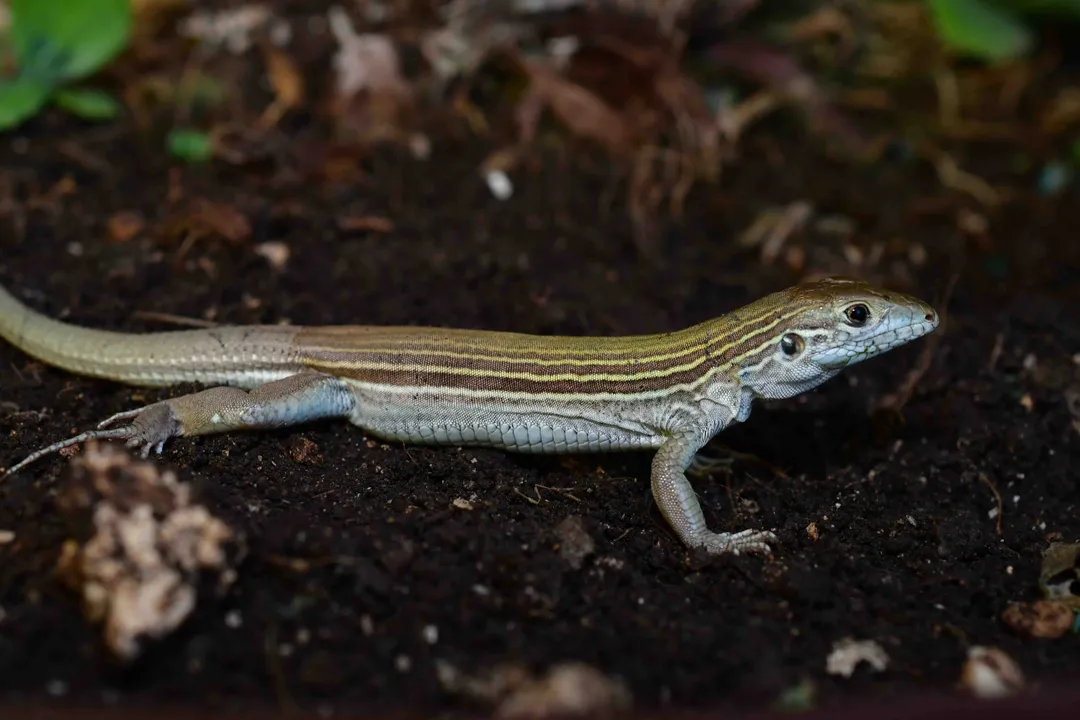
What genomic feature may compensate for the lack of recombination in long-term surviving *Aspidoscelis* asexual lineages?
Genomic stability provided by polyploidy
The long-term persistence of *Aspidoscelis* asexual lineages for millions of years suggests a mechanism exists to buffer the negative effects usually associated with clonality, such as the accumulation of harmful mutations (mutational load) that cannot be purged without recombination. The text indicates that the genomic stability afforded by polyploidy—specifically genome doubling events like tetraploidy—may serve this crucial compensatory role. This genome duplication provides extra genetic copies, allowing the organism to buffer the effects of deleterious mutations that arise within one copy of the genome, thus supporting viability over vast stretches of evolutionary time even without the benefits of sexual recombination.