Whiptail Lizard Physical Characteristics
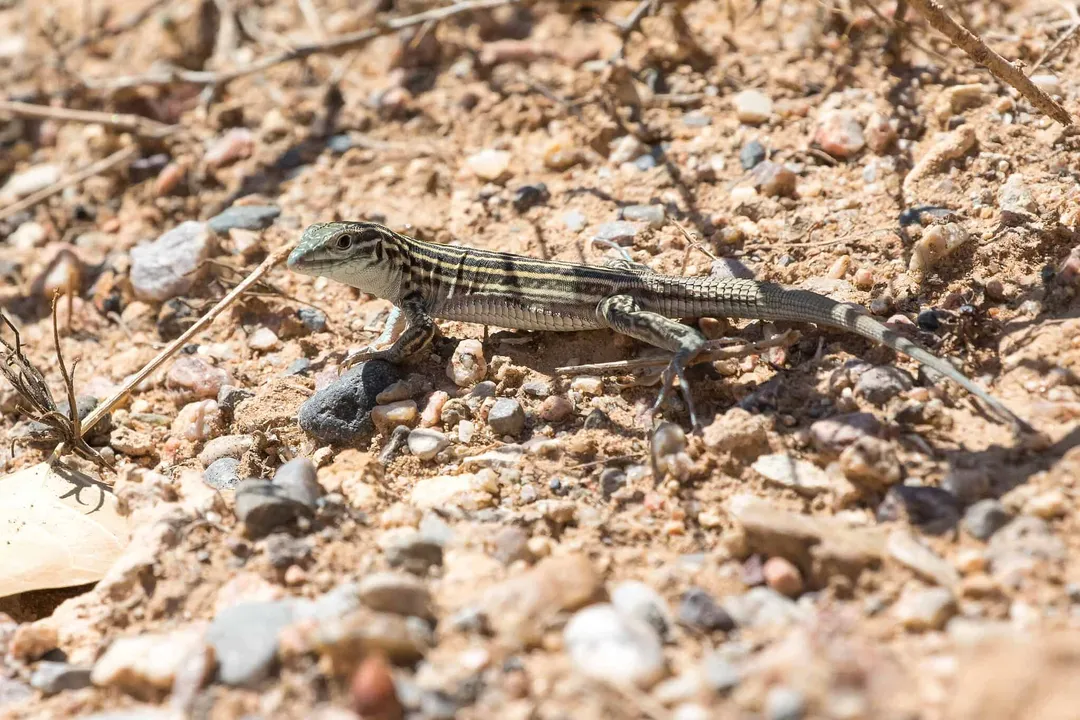
The whiptail lizard family presents a collection of agile, slender reptiles known for their remarkable speed and distinctive long tails. These lizards are built for rapid movement across arid and semi-arid landscapes, a necessity dictated by their environment and need to evade predators [cite: a-z-animals][cite: peecnature]. While there are numerous species within this group, their general physical blueprint shares several key features that mark them as whiptails.
# Slender Form
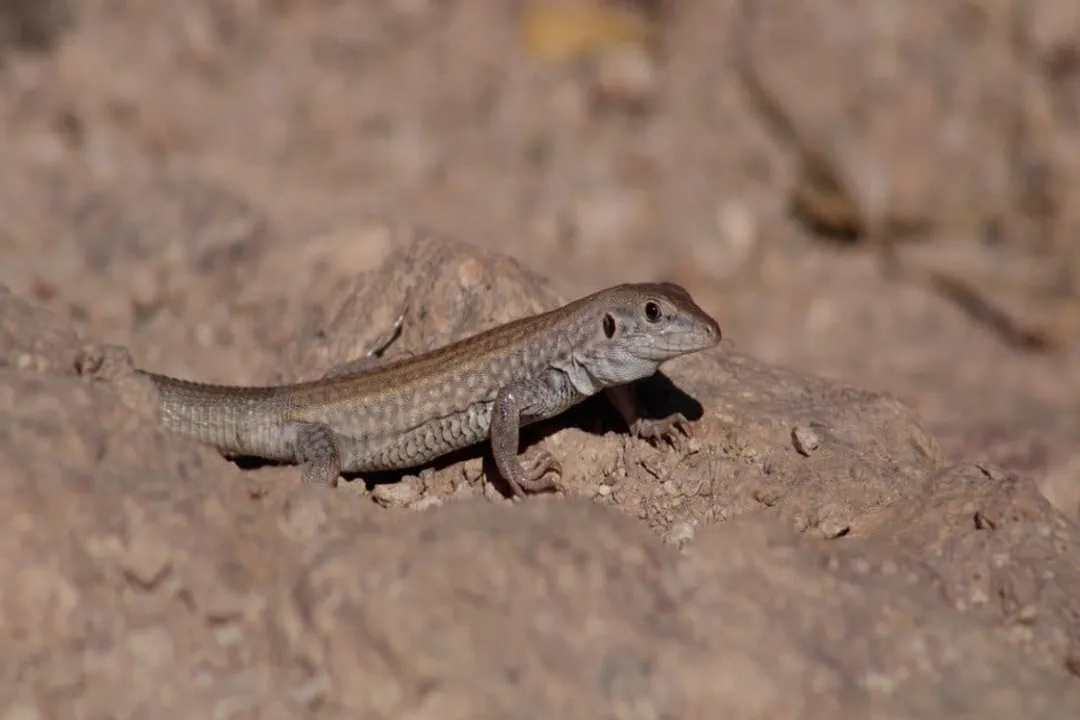
The overall impression given by most whiptails is one of sleekness and elongation. They possess a relatively small, somewhat triangular head compared to the rest of their body mass [cite: a-z-animals]. Their bodies are notably streamlined, an adaptation that reduces drag, allowing them to achieve impressive bursts of speed when necessary [cite: a-z-animals].
Size variations exist across the genus, but many species are characterized as relatively small lizards [cite: peecnature]. For instance, the total length, including the tail, often falls in the range of about 8 to 12 inches, though the exact dimensions depend heavily on the specific species being observed [cite: peecnature]. The most dramatic proportional feature, and the source of their common name, is the tail. This appendage is exceptionally long, often measuring two to three times the length of the lizard’s head and body combined [cite: peecnature][cite: a-z-animals]. This length is not merely for show; it plays an active role in their survival strategy.
# Scale Surface
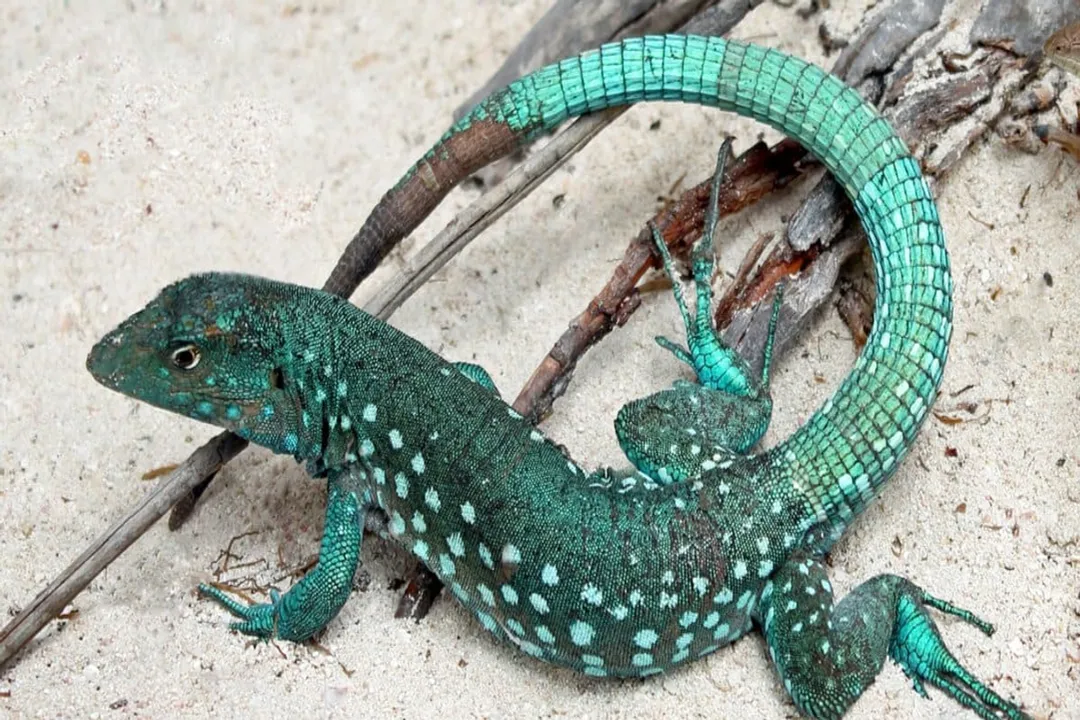
Underneath the surface appearance of smooth skin, whiptails are covered in scales, but the texture is typically described as smooth rather than keeled or rough, which further aids in their streamlined profile [cite: a-z-animals]. The granular scales that cover their body often contribute to a somewhat matte, non-reflective appearance, helping them blend into sandy or grassy habitats [cite: animalia.bio].
When examining these creatures up close, a keen observer will note that the scale patterns on the top of the head, the underside (ventral scales), and the tail differ slightly in arrangement and size. The arrangement and texture of these scales are often the most reliable markers for distinguishing between closely related species, especially when coloration alone is ambiguous [cite: californiaherps]. For anyone trying to nail down a specific identification in the field, focusing on the number of longitudinal scale rows or the pattern on the lower jaw can be more dependable than relying solely on broad color descriptions, which shift wildly between populations [cite: californiaherps].
# Pattern Diversity
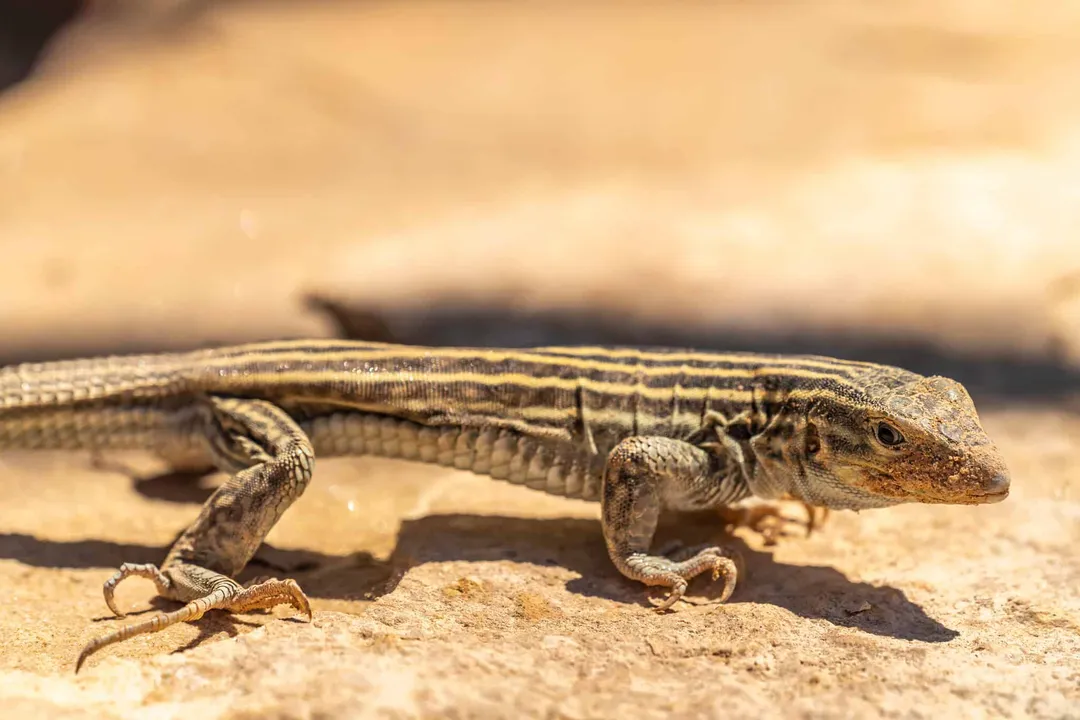
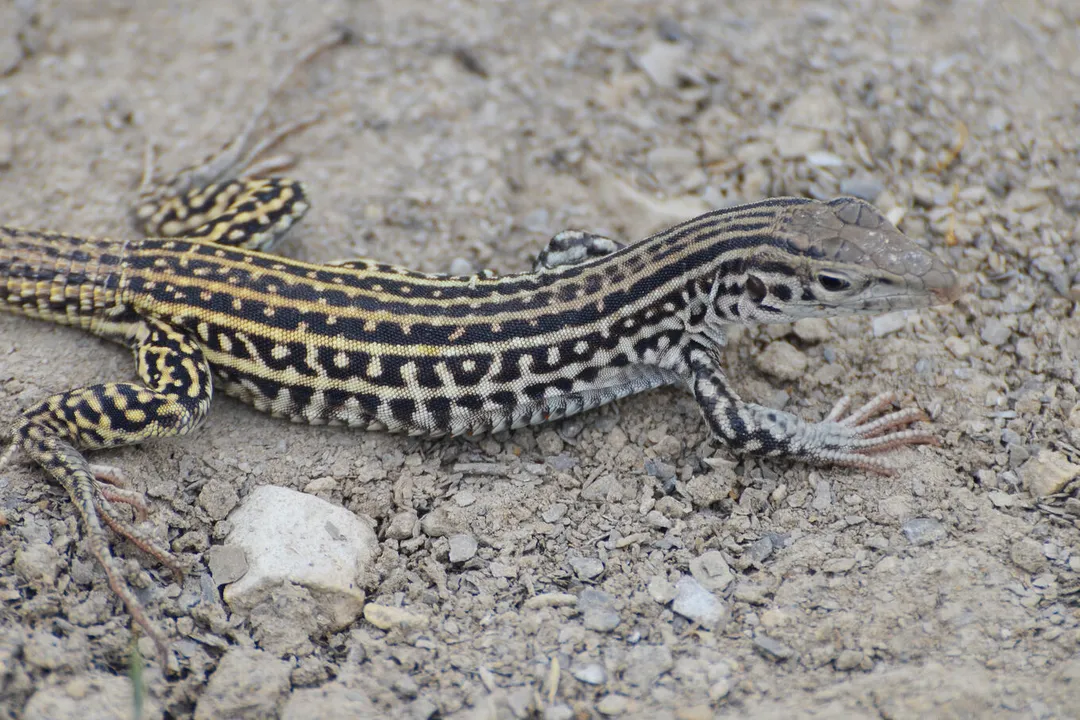
Coloration is perhaps the most varied characteristic among whiptails, making generalizations difficult, as markings can shift dramatically based on geography and species [cite: peecnature]. The patterns generally fall into two major visual themes: striping or spotting/checking.
Striped varieties are common. The Desert Grassland Whiptail, for example, typically exhibits a brownish-gray to black base color overlaid with several distinct light-colored stripes running down the length of its back [cite: en.wikipedia]. A count of seven distinct longitudinal stripes is frequently noted on this species [cite: en.wikipedia][cite: animalia.bio]. The Plateau Striped Whiptail also shows a clear emphasis on prominent, light stripes against a darker background [cite: usgs].
In contrast, other species favor complex checkered or spotted appearances. The Common Checkered Whiptail displays dark blotches that alternate irregularly with lighter cross-bars across its body [cite: cpw]. The Tiger Whiptail gets its name from its appearance, featuring noticeable dark spots or bars contrasted against a lighter background running across its back, differentiating it from the purely longitudinal stripes seen in other types [cite: redrockcanyonlv]. This reliance on contrasting markings highlights an evolutionary trade-off: striping may provide better camouflage in linear vegetation like tall grasses, whereas spots break up the body outline effectively in more heterogeneous, rocky areas.
# Defensive Tail
One of the most startling physical attributes of the whiptail lizard is its active defense mechanism involving the tail. When seized or threatened by a predator, the lizard can readily shed its tail through a process known as autotomy [cite: a-z-animals].
The detached tail segment does not simply fall inertly; instead, it continues to twitch and wriggle vigorously for a significant amount of time after separation [cite: peecnature][cite: a-z-animals]. This energetic, independent movement serves as a potent distraction, drawing the predator’s focus away from the fleeing lizard body, which usually escapes into cover. While the lizard survives the encounter, the tail will regenerate, though the regenerated tail is often structurally different, frequently appearing somewhat blunter or differently colored than the original [cite: a-z-animals]. The ability to sacrifice such a large, energy-intensive appendage illustrates the high predation pressure these small lizards face in their natural settings.

# Species Notables
Diving into specific examples reveals how these general characteristics manifest. The Desert Grassland Whiptail lizard, Cnemidophorus uniparens, possesses a fascinating trait not strictly physical but integral to its population structure: it is almost entirely parthenogenetic [cite: animaldiversity]. This means that the entire population observed in many areas consists of females that reproduce asexually, laying eggs that hatch into genetically identical daughters [cite: animaldiversity]. From a physical standpoint, this means that finding a "male" whiptail in these all-female lines is biologically impossible.
Another interesting observation comes from the variety of leg structure. All whiptails share four legs, but their development is acutely tuned to their locomotor needs. They are built like miniature sprinters, with long, slender limbs that allow them to run in short, extremely fast bursts, enabling them to cover open ground quickly [cite: a-z-animals].
# Identification Nuances
For the enthusiast or biologist, identifying the exact species often requires moving past the broad physical characteristics and focusing on minute details, sometimes involving counting scales or noting minor color shifts around the throat or limbs [cite: californiaherps]. The differences between some species can be incredibly subtle. For instance, while one species might have distinct white stripes bordered by black, a closely related one might have yellowish stripes bordered by brown, and the two may inhabit adjacent but distinct ecological niches, making accurate identification a demonstration of true expertise [cite: californiaherps]. This high degree of similarity among species underscores the importance of geography and microhabitat when attempting to assign a specific scientific name to a lizard seen darting across the ground.
Related Questions
#Citations
Whiptail Lizard Animal Facts - A-Z Animals
Desert grassland whiptail lizard - Wikipedia
Whiptails - Pajarito Environmental Education Center
Cnemidophorus uniparens (Desert Grassland Whiptail)
Common Checkered Whiptail - Colorado Parks and Wildlife
Plateau Striped Whiptail | U.S. Geological Survey - USGS.gov
California Whiptails - Species Aspidoscelis (Cnemidophorus)
Wildlife Wednesday: Tiger Whiptail Lizard - Red Rock Canyon
Desert Grassland Whiptail Lizard - Facts, Diet, Habitat & Pictures on ...