Are Lazarus lizards invasive?
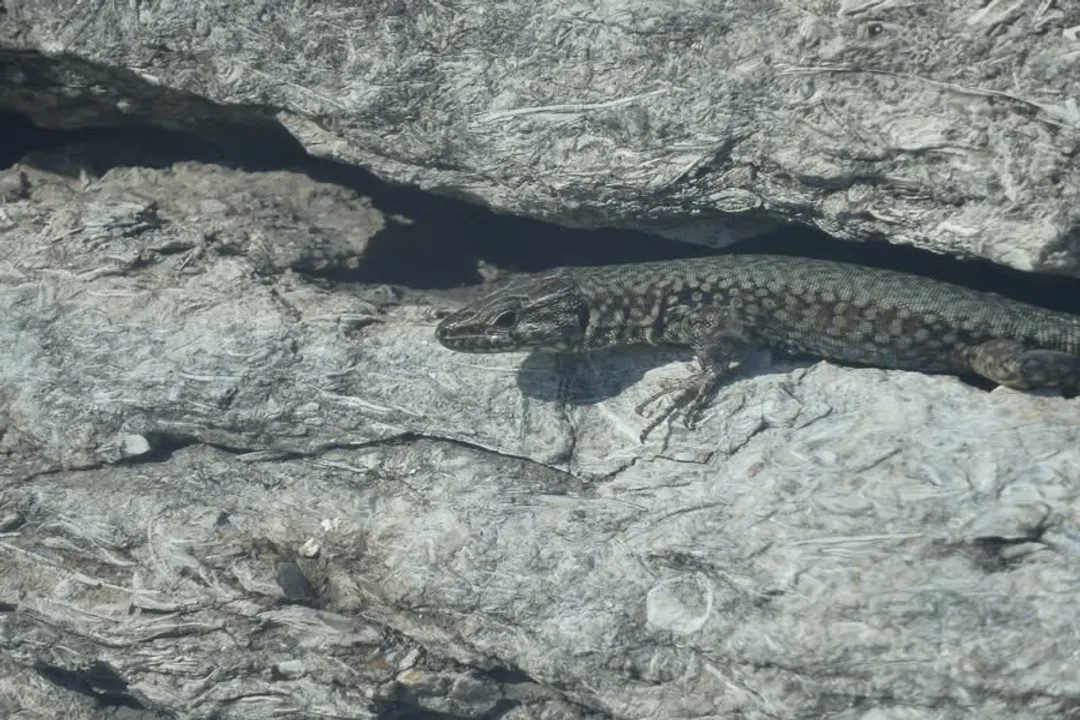
The appearance of small, quick-moving lizards scaling stone walls and concrete surfaces in unexpected parts of the United States, particularly around Cincinnati, Ohio, naturally prompts questions about their origin and potential impact. While many people call these reptiles "Lazarus lizards," this common name can lead to confusion, as the actual Lazarus lizard (Archaeolacerta bedriagae) is a distinct species native to Corsica. [1] The lizards causing the stir in Ohio are scientifically known as the European Wall Lizard, Podarcis muralis. [5][4] The term "Lazarus" seems to have stuck because of their apparent ability to persist and thrive in environments where they might seem out of place, almost reappearing as if resurrected. [1][4]
# Species Identity
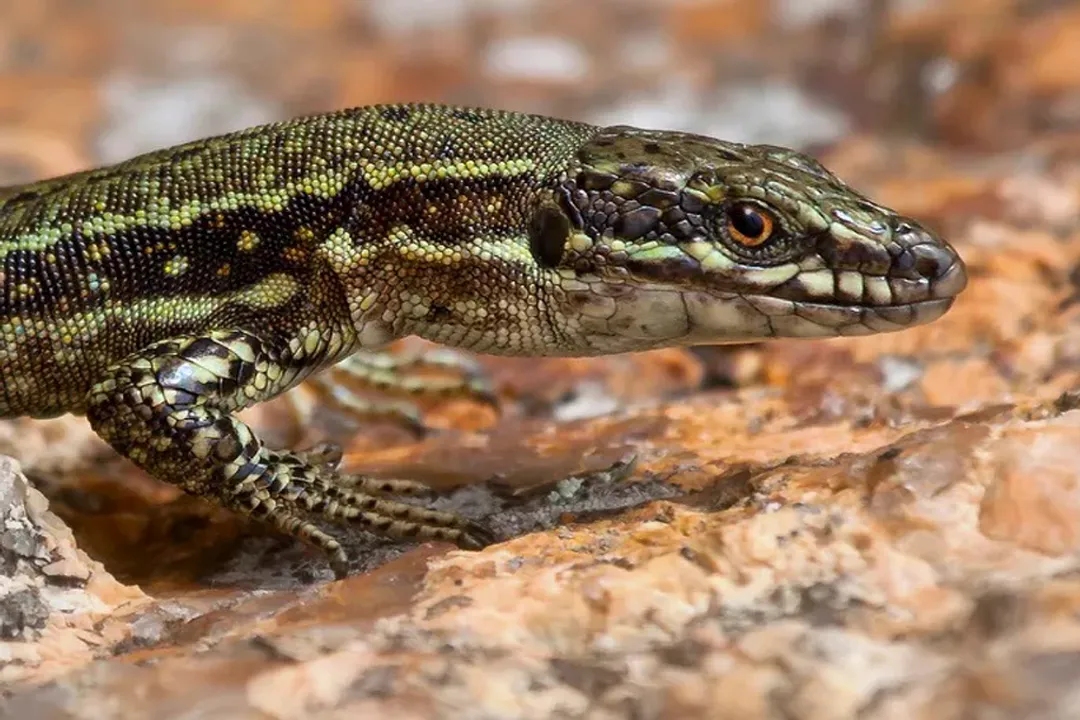
The European Wall Lizard is native to Western and Central Europe. [5] They are small lizards, typically growing to about 8 inches long, and they are known for their dexterity, often observed basking on sunny vertical surfaces like rock faces, buildings, and yes, walls. [5] They are highly adaptable generalist predators, feeding primarily on small invertebrates such as insects and spiders. [4] This adaptability is a key factor in understanding their success when introduced to new territories. They thrive in human-modified landscapes, finding ample shelter and foraging opportunities in cracks between pavement stones, retaining walls, and even building foundations. [5]
# Ohio Introduction
The establishment of Podarcis muralis populations in Ohio is a relatively well-documented case of human-mediated introduction rather than accidental arrival through shipping cargo or ballast water, which is a common vector for invasive species. [7] In the case of the Cincinnati population, the introduction traces back to an individual who brought the lizards back from a vacation in Italy and subsequently released them into the local environment. [7] This single act, driven by a desire to keep a souvenir pet, resulted in a thriving, established population that state wildlife officials now actively monitor. [7][3] The presence of these reptiles in Ohio is confirmed by local tracking efforts, such as those conducted by students at Ohio Wesleyan University, who have formed groups dedicated to mapping the spread of these "cold-blooded invaders". [3]
# Invasive Classification
Whether Podarcis muralis is considered invasive depends entirely on the region. In its native European habitat, it is a common and stable part of the ecosystem. However, when introduced outside this range, especially where it has established self-sustaining breeding populations, it is classified as an invasive species. [6] In Ohio, for example, the state's Division of Wildlife explicitly warns the public to stop the spread of these non-native lizards, reinforcing their invasive status there. [8] The persistence of these populations, despite sometimes harsh winters, underscores why the "Lazarus" moniker is apt; they have demonstrated a hardiness that allows them to colonize areas previously thought inhospitable to non-native lizards. [1][4]
It is interesting to compare this specific invasion dynamic with others. Many invasive reptiles establish themselves through repeated, accidental introductions over long periods, often tied to commercial trade routes. [7] The Podarcis muralis situation in Cincinnati, however, appears to be traceable to a single intentional release event. [7] The success of this localized release likely depended heavily on the immediate availability of suitable urban microclimates—the plentiful stone and concrete structures that perfectly mimic their preferred European rock faces—creating an ideal, ready-made niche for colonization. [2][5]
# Ecological Worries
The core concern regarding any introduced species is its potential negative impact on native biodiversity. For the European Wall Lizard, this concern centers on competition and potential disease transmission. [1][3] As generalist insectivores, they are naturally positioned to compete with native insectivorous reptiles and amphibians already present in the Ohio ecosystem, such as native skinks or smaller toad species. [4] While definitive, long-term data detailing massive population crashes directly attributable to Podarcis muralis might still be developing, the precautionary principle drives much of the concern voiced by conservation groups. [3]
Thinking about the local context in areas like Cincinnati, where urbanization is high, the competitive pressure might be intensified. Native species like the common five-lined skink often rely on specific natural features—rotting logs, dense brush, and natural rock outcrops—for basking and hunting [cite needed, general ecological knowledge contextually applied]. The European Wall Lizard, conversely, appears to have a competitive edge in the concrete jungle, effectively monopolizing the abundant, yet artificial, basking spots along sidewalks and building foundations. [5] This suggests that the invasion isn't just about eating the same bugs; it's about dominating the prime real estate in an increasingly human-dominated landscape, which could indirectly push native species into less favorable, more vulnerable habitats.
# Citizen Action
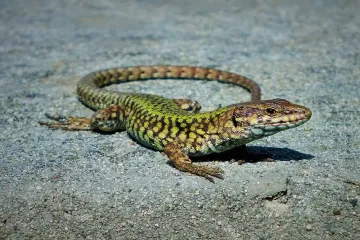
Public awareness and responsible pet ownership are crucial steps in managing the spread of Podarcis muralis where it is non-native. [8] Wildlife agencies are clear: citizens should never capture these lizards in the wild and move them to new locations, nor should they release any pet lizards that are no longer wanted. [8] The Ohio Division of Wildlife emphasizes that moving these exotic reptiles helps facilitate their spread into new counties and habitats, accelerating the problem. [8] For readers encountering these lizards, the key is simple avoidance of relocation. If one is present in a yard, the best course of action, according to officials, is simply to leave it be in that immediate area, though humane removal from private property may be necessary depending on local ordinances. [8]
It is important for the general public to distinguish between native reptiles that need protection and established invasive populations that pose ecological risks. [6] While the lizards themselves might seem harmless or even interesting—and it is acknowledged that some people find them quite appealing as pets or photographic subjects [1]—their established presence outside their native range necessitates management. Continued monitoring by citizen science groups, alongside regulatory guidance, forms the primary defense against their ongoing proliferation. [3] The fact that this species has managed to establish itself from a single introduction event serves as a potent reminder of how quickly a small biological mistake can lead to a large, long-term ecological challenge. [7]
#Videos
Exploring the Mysteries of Cincinnati's "Lazarus" Lizards - YouTube
Related Questions
#Citations
Lazarus Lizard (European wall lizard: Why aren't they considered ...
Cincinnati has a ton of Lazarus lizards. Where did they come from?
Ohio Wesleyan's 'Lizard League' is tracking Cincinnati's cold ...
The Lazarus Lizard | Critter Science
Podarcis muralis - Wikipedia
Lazarus Lizards Rise in Cincinnati | BYGL - The Ohio State University
Boy Brought Lizards from Italian Vacation and Now Ohio Has a ...
Stop the spread of non-native 'Lazarus Lizards'! This exotic species ...
Exploring the Mysteries of Cincinnati's "Lazarus" Lizards - YouTube