Do Lazarus lizards eat stink bugs?
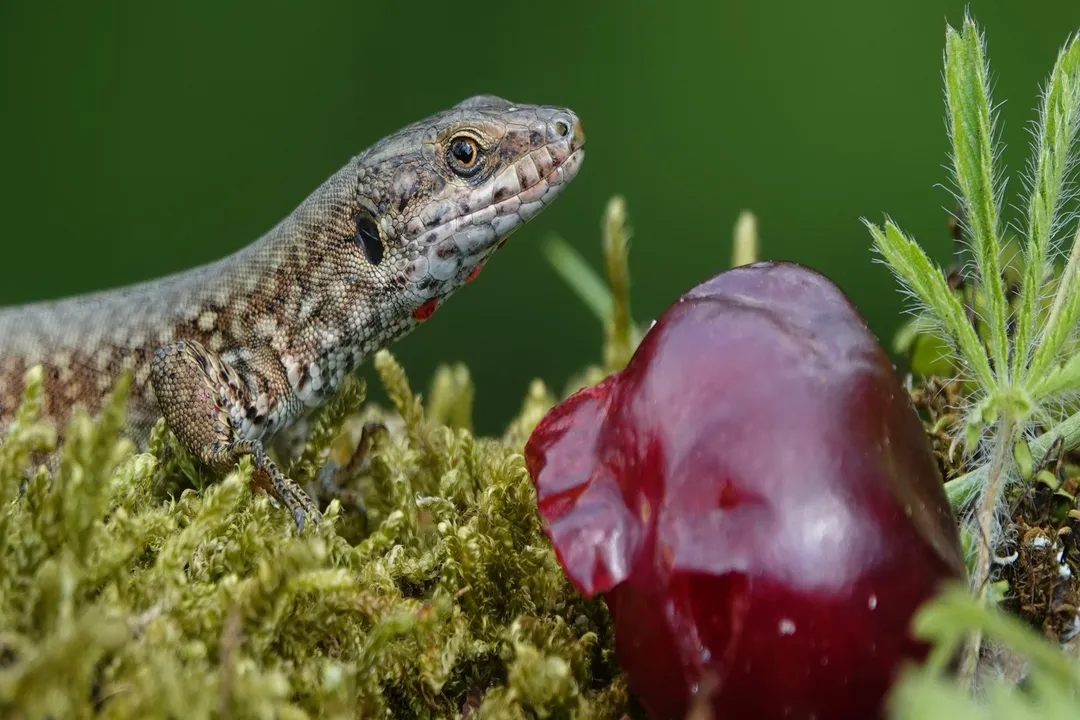
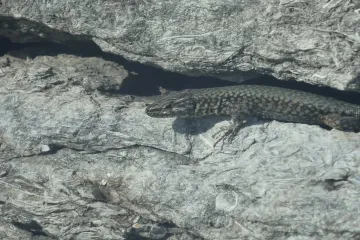
The Podarcis muralis, often known by the evocative moniker Lazarus lizard, is a common sight clinging to stone walls and brick facades across certain parts of the United States, most famously associated with the Cincinnati, Ohio, area. [1][4][7] This small reptile’s presence often sparks curiosity, prompting questions about its habits, especially concerning local pests. One persistent query revolves around whether these industrious creatures incorporate stink bugs into their menu. To answer this, one must first understand the lizard's established dietary preferences and its opportunistic feeding strategy.
# Common Ancestry
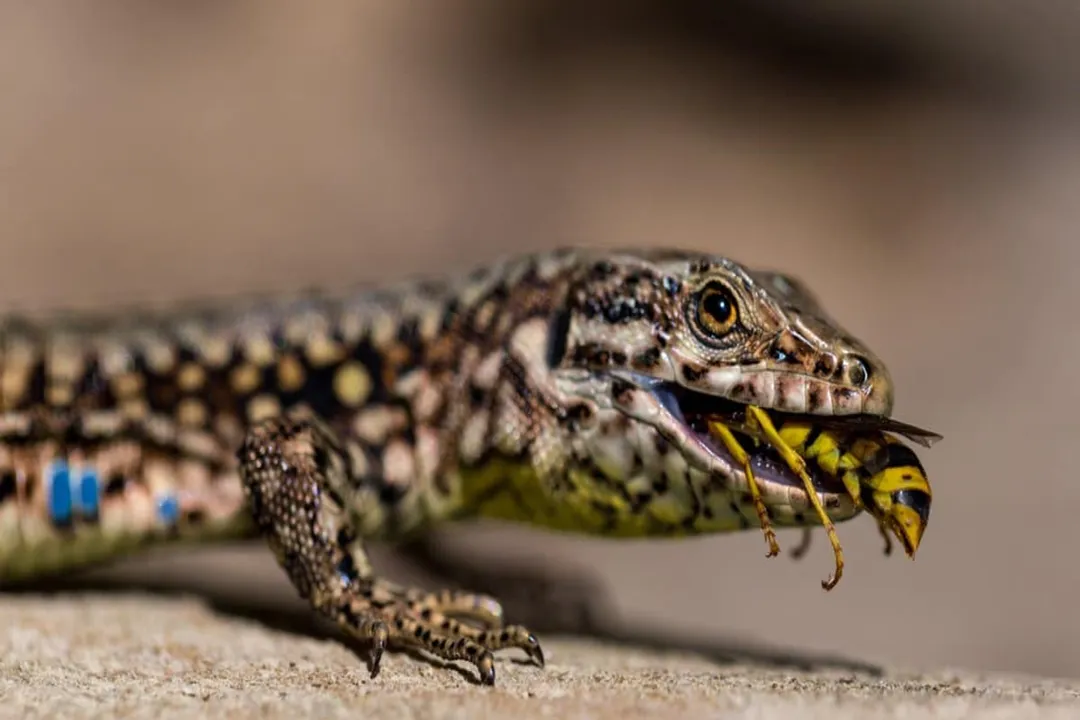
The Lazarus lizard is technically the Common Wall Lizard, originating from Europe and parts of northwestern Africa. [4] Their proliferation in American cities is not due to natural migration but human introduction. Specifically, the populations establishing themselves in places like Cincinnati are believed to have descended from a small group illegally smuggled from Italy decades ago by a child. [3][5] Given their ability to thrive in environments dominated by human structures—walls, gardens, and rocky outcrops—they have earned their "Lazarus" name, seemingly rising from an unlikely introduction to establish a flourishing presence. [7]
# Insect Diet
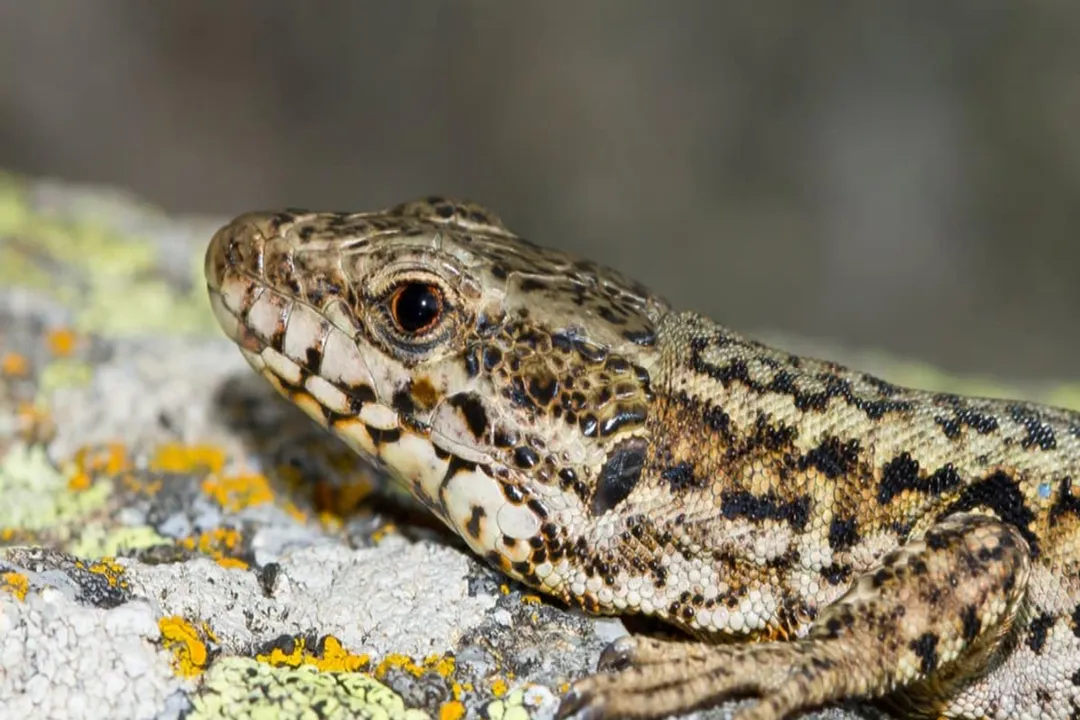
Like many small lizards, the Lazarus lizard is fundamentally insectivorous. Their diet relies heavily on readily available small invertebrates that they can successfully ambush or catch. [6] Researchers and observers note that their primary sustenance includes a variety of insects, spiders, and sometimes small snails. [2][4] Their hunting behavior suggests they are opportunistic feeders, meaning if prey is encountered, and it fits within their size constraints, they are likely to attempt consumption. [6] This general classification—eating insects—is the key to investigating the stink bug query. They are agile hunters, preferring to capture prey that is moving or accessible on surfaces where they bask or forage. [6]
# The Stink Bug Query

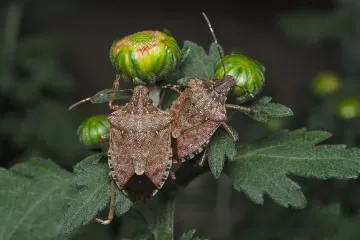
The specific question of whether Podarcis muralis preys upon stink bugs—members of the family Pentatomidae—does not have a definitive, universally cited answer within general biological summaries of the species. [1][4][7] However, we can analyze the probability based on the known prey types and the known characteristics of stink bugs.
Stink bugs, particularly the invasive Brown Marmorated Stink Bug (Halyomorpha halys) which is present in areas where Lazarus lizards have established themselves, possess a significant defense mechanism: they release foul-smelling chemical secretions when disturbed or attacked. [9] For a predator, especially one that relies on taste and smell to assess food safety, this chemical deterrent often makes the prey item unpalatable or causes immediate rejection.
A lizard accustomed to the generally neutral taste of common ants, flies, or small beetles might taste the chemical defense of a stink bug and immediately spit it out. [9] While the lizard would consume a generic "insect," the chemical defense likely acts as a strong negative selective pressure against eating them regularly. A predator needs a significant reward to overcome such a strong deterrent, and if the lizard only gets a small meal followed by a noxious taste, it will learn to avoid that specific prey item quickly.
It is plausible that a juvenile or an inexperienced Lazarus lizard might attempt to consume a small, newly molted stink bug nymph that has not yet developed its full chemical arsenal or physical defenses. [8] In those instances, the lizard would have eaten a stink bug, but this consumption would likely be infrequent and potentially negative for the lizard's foraging success. The known prey profile leans towards softer-bodied or non-chemically defended arthropods. [2][6]
| Prey Type | Typical Size/Defense | Likelihood of Predation | Notes |
|---|---|---|---|
| Spiders | Small to medium, some venomous | High | Regularly consumed invertebrate [7] |
| Flies/Ants | Small, quick | High | Staple insect food sources [6] |
| Snails | Small, hard shell | Medium | Requires extra effort to process [4] |
| Stink Bugs | Medium/Large, Chemical Defense | Low to Moderate | Deterred by noxious secretions [9] |
# Habitat Clues
Understanding where the lizards live can provide insight into their feeding opportunities. Their common name stems from their preference for vertical surfaces like walls, masonry, and rock faces. [2][7] In urban settings, this translates to foundations, retaining walls, and gaps in brickwork. [5]
When considering where a reader might observe this behavior, observing the lizard’s behavior in a local context can be instructive. If you notice a large congregation of stink bugs clustered on a sun-warmed, south-facing brick wall—a prime basking spot for the lizard—the chance of an interaction increases simply due to proximity. However, if the stink bugs are gathered on herbaceous plants or fruit trees (where they often feed), the Lazarus lizard may be less inclined to venture away from its preferred rocky or masonry habitat to pursue them. [2] Their reliance on vertical structures means they are most likely encountering ground-dwelling or low-flying insects and spiders near those structures. [6]
This inherent habitat preference means that any assessment of their diet in a specific yard must account for the local abundance of prey near stone surfaces rather than in garden patches a distance away from the lizard's typical retreat. If the stink bugs are predominantly found on foliage far from the nearest wall crevice, the Lazarus lizard is statistically less likely to encounter them than a more generalized ground predator.
# A Note on Identification
It is worth remembering that not every small lizard seen in the Eastern US is a Podarcis muralis. While the Lazarus lizard is widespread in areas like the Ohio Valley, other native species exist. [9] Misidentification can lead to incorrect assumptions about diet. For instance, a native species might have a slightly different foraging range or prey preference than the introduced wall lizard. However, the generalized insect diet remains consistent across many smaller diurnal lizard species found in similar environments.
In summary, while the general diet of the Lazarus lizard certainly includes insects—the category to which stink bugs belong [4][7]—the presence of potent chemical defenses strongly suggests that stink bugs are not a preferred or common food item. The evidence points toward avoidance rather than active predation, unless the stink bug presents itself in a highly vulnerable state, such as immediately after molting, or if preferred, undefended prey is completely unavailable. Observers in areas like Cincinnati are more likely to see them catching common houseflies or small spiders than actively wrestling with a mature, odoriferous stink bug. [1][2]
Related Questions
#Citations
Are the Lazarus Lizards in Cinci harmful if eaten or do they bite?
Wall lizard - Ohio Birds and Biodiversity
They were smuggled from Italy by a child. Now, there's millions of ...
Lazarus Lizard - Podarcis muralis - A-Z Animals
What Do Lizards Eat: Feeding And Hunting Behavior Of Common ...
The Lazarus Lizard | Critter Science
Cincinnati's Lazarus Lizard - Ugly Hedgehog - Photography
Resurrecting Lazarus Lizards - BYGL (osu.edu)