How fast can a leopard lizard run?
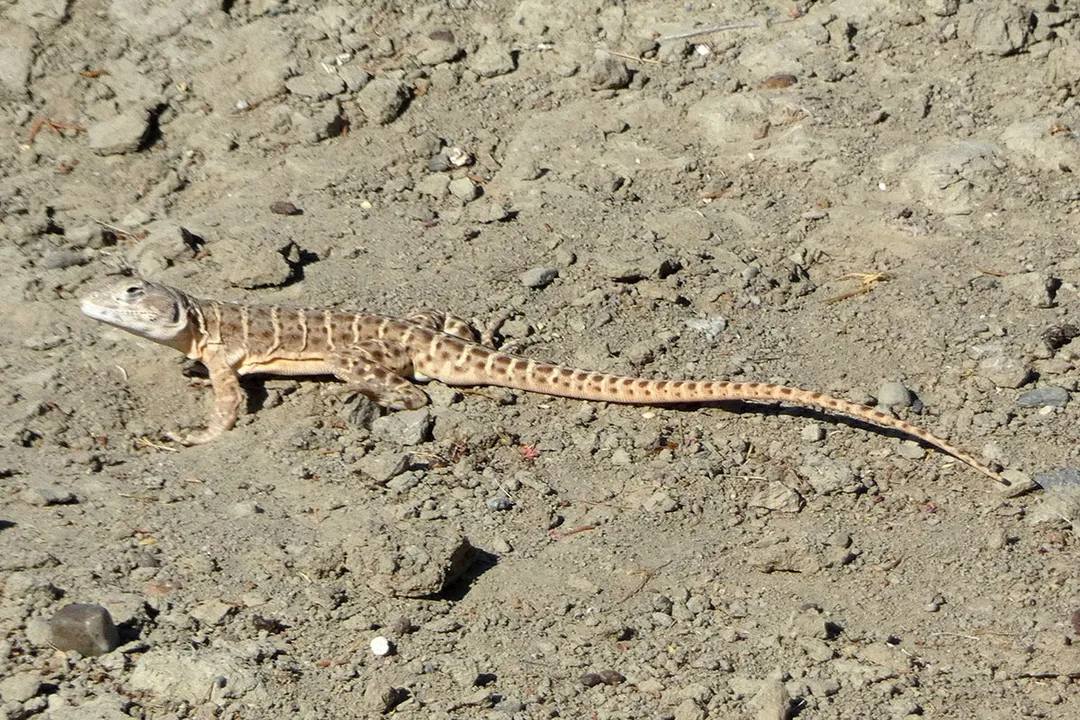
The question of how fast a leopard lizard can run is best answered by first clarifying which creature we are discussing, as a common name can sometimes lead to confusion between two very different reptiles. When observing the startling speed of these desert dwellers, one might wonder if they possess an internal motor exceeding what seems possible for a small reptile. In the context of the quick, ground-dwelling lizard of North America, specifically the species found in arid plains and scrublands, the speed is remarkable, defined more by its method of locomotion than by a precise mile-per-hour figure found in many field guides. These are lizards built for short, explosive bursts, a necessity when inhabiting environments where cover is scarce and predators are numerous.
# Species Identification
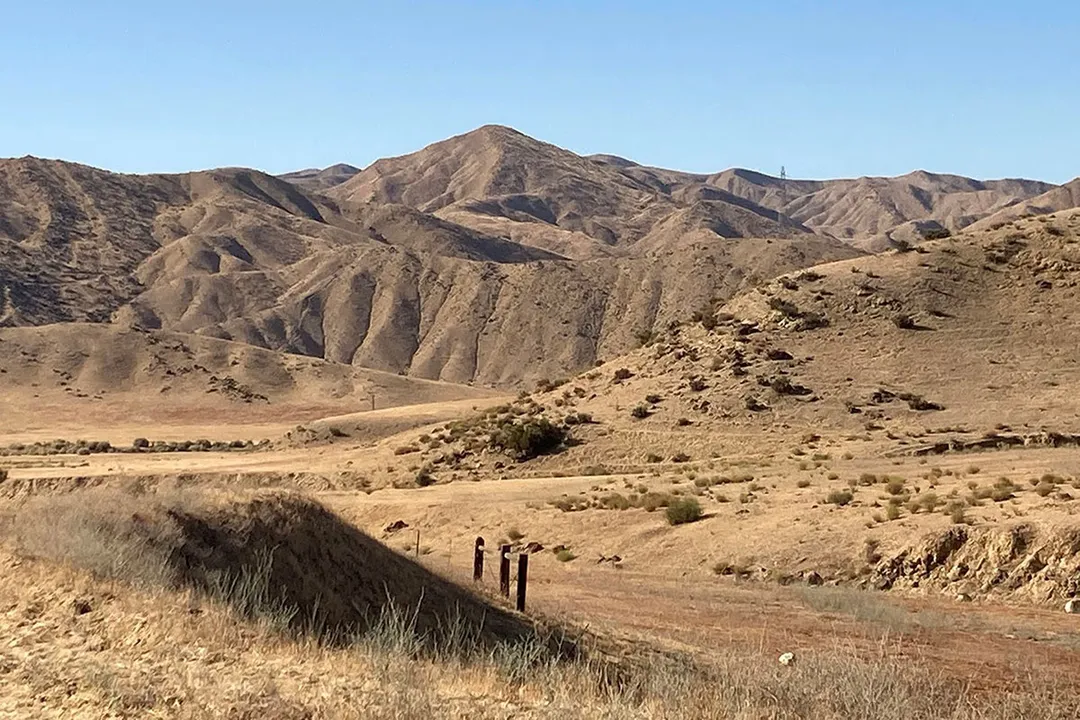
The creatures most commonly referred to as leopard lizards belong to the genus Gambelia, which includes species like the Long-nosed Leopard Lizard (Gambelia wislizenii) and the more federally protected Blunt-nosed Leopard Lizard (Gambelia sila). These are not the terrestrial pet known as the Leopard Gecko (Eublepharis macularius), which is an entirely different animal from a different continent. The Gambelia lizards are inhabitants of the semi-arid plains, scrublands, and deserts of the southwestern United States and Mexico. They are medium-sized reptiles, with the long-nosed variety potentially reaching up to 12 inches from nose to tail tip, though their body length is often shorter than their impressive tail. Their coloring—a pattern of dark splotches over a light brown background—provides excellent camouflage among rocks and sparse vegetation. The blunt-nosed type is generally smaller, with a body length nearing 4.7 inches, though its tail can be nearly twice that length.
# The Nature Of Speed
What truly sets these lizards apart is not just their quickness, but how they achieve it. While most lizards might scurry a short distance close to the ground, leopard lizards are known to execute impressive maneuvers when escaping a threat or pursuing a meal. They have developed the ability to sprint significant distances, sometimes launching themselves up and running almost entirely on their hind legs. This bipedal running is a sight to behold and an adaptation for moving rapidly across open, flat ground. They use their long, slender tails as a counterbalance while balancing on two feet, allowing them to cover several yards in these swift dashes. Furthermore, their agility is evident in their predatory style; they possess the vertical leap necessary to cover up to two feet to snatch airborne or fast-moving prey like insects.
The necessity for such bursts of speed is deeply rooted in their ecology. They are diurnal, meaning they are active during the day, and they must bask in the sun to maintain the high internal temperatures required for such rapid muscle contraction. When basking on a rock or the entrance to a burrow, they are highly exposed. Their survival hinges on spotting a threat—like a coyote or a hawk—and immediately closing the distance to the nearest cover or an abandoned rodent burrow, which serves as their primary refuge. The sprint is a high-stakes, short-duration event where victory means survival.
Considering the physical mechanics involved, a lizard of this size achieving bipedal movement suggests a high power-to-weight ratio optimized for quick acceleration. Unlike quadrupeds which divide their propulsive force between four limbs, these lizards are essentially converting their entire rear-leg musculature into a powerful, near-vertical thrust, momentarily relying on momentum and their tail for dynamic stability. For an animal that might weigh only an ounce or two, this kind of dynamic shift in gait is an energy-intensive, but incredibly effective, escape mechanism when time is measured in split seconds.
# Habitat and Evasion
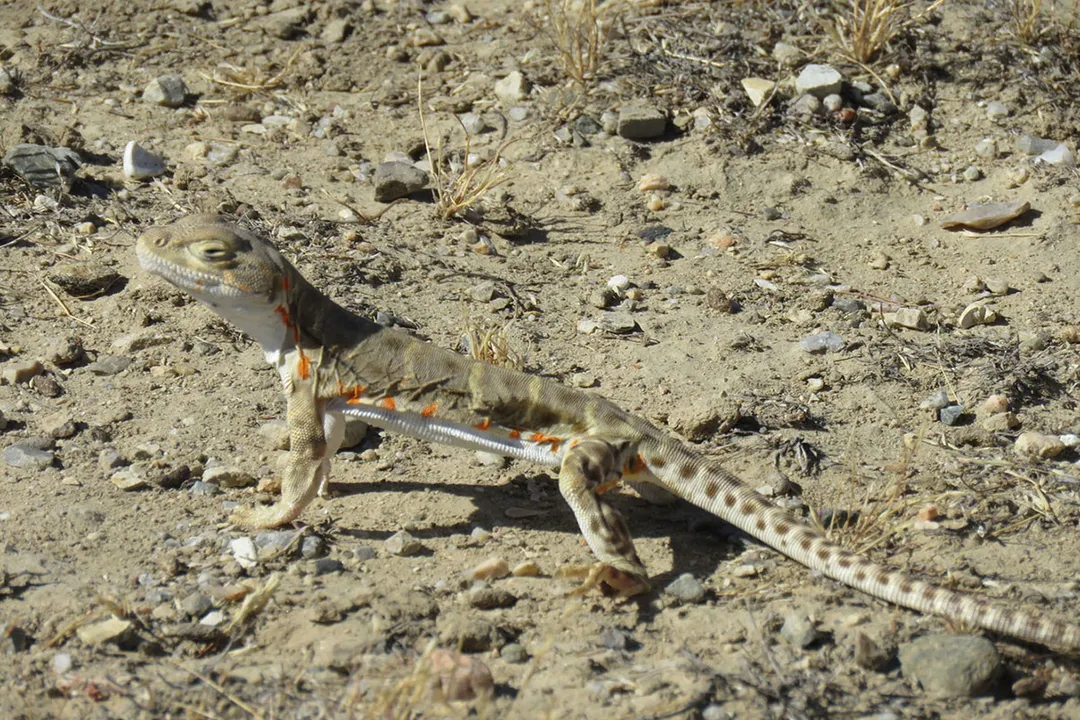
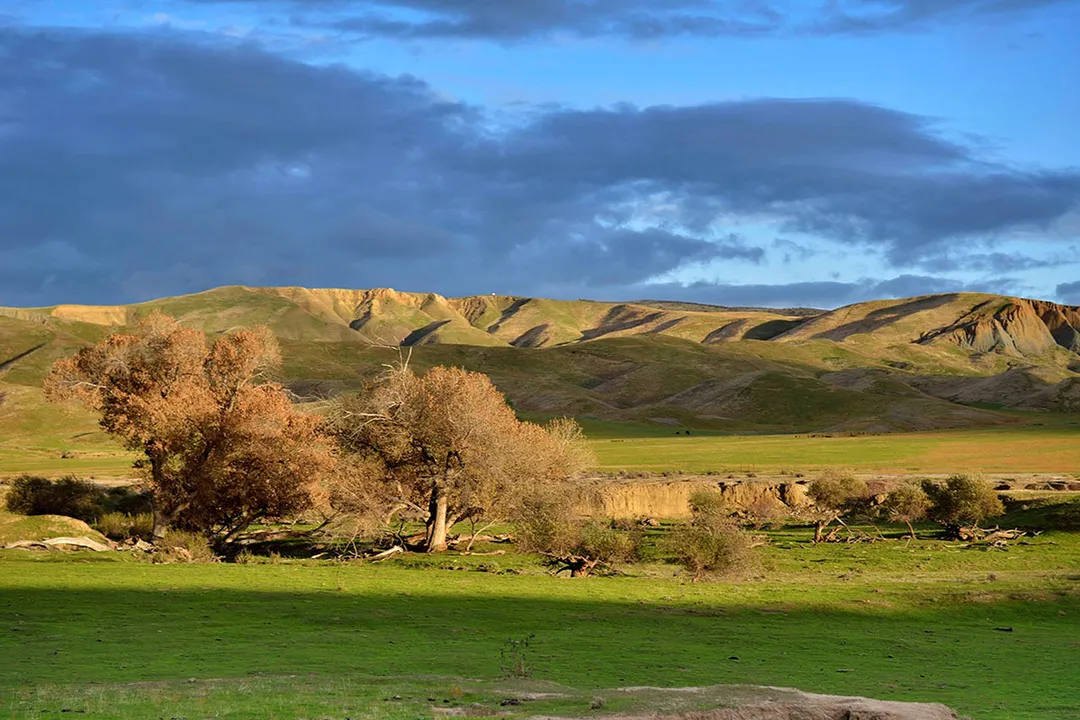
The environment these lizards inhabit dictates their entire lifestyle, including their need for speed. They prefer open ground with scattered shrubs, which offer minimal but essential shade and perching spots. They rely on burrows, often abandoned by kangaroo rats or ground squirrels, for shelter from weather extremes and as the final destination when fleeing a predator. Their camouflage helps them avoid detection while basking, but when that fails, speed is the next line of defense.
It is interesting to note that while they rely on open ground, an overgrowth of non-native grasses can actually hinder their escape. Where grass grows thick and tall, it creates a visual barrier that prevents the lizard from seeing a predator approach, and it physically impedes their running ability—they can neither forage effectively nor flee when the ground cover becomes too dense. This illustrates a critical balance: they need openness to utilize their speed, but enough sparse structure to provide intermediate safety perches or visual breaking points.
# Speed Confusion Distinctions
When discussing quick reptiles, it is easy for observers, especially those familiar with the popular pet trade, to conflate the desert Leopard Lizard with the Leopard Gecko. While the gecko is certainly quick in its own right—with owners noting startling bursts of speed to catch prey or evade capture in a home environment—the context of the speed is different. Leopard geckos are often observed making rapid lunges for insects or darting across a tank when startled. One anecdotal report mentions a wild gecko sprinting three body lengths to catch a gnat mid-air, demonstrating their quick reflexes for hunting.
However, the Leopard Lizard's speed is fundamentally an escape mechanism adapted for large, open, arid landscapes where dangers approach from a distance, requiring sustained, explosive sprints across open terrain. The Leopard Gecko's speed is more suited to sudden, short-range captures within a confined space or a sudden dash under a rock in a more terrestrial, burrow-focused existence. While both animals exhibit impressive agility, the Leopard Lizard’s bipedal sprint across yards is a specialization rarely matched by the gecko's typical movement pattern.
# Defense Beyond the Dash
Should the initial sprint fail, the leopard lizard has another dramatic defense mechanism: autotomy, or the ability to detach its tail. If a predator manages to grab the tail, the lizard can drop the wriggling appendage, buying itself precious time to escape to safety. This is a costly defense, as the lizard must later expend energy to regrow the tail, which will not look exactly like the original. Beyond these active defenses, the lizard also possesses a fascinating seasonal rhythm that minimizes risk. Adults emerge in spring, breed, feed intensively, and retreat underground by late summer to brumate through the winter, limiting their exposure to predators during times when resources might be scarcer or weather conditions too harsh. Hatchlings follow a slightly different schedule, emerging in the summer to feed and grow before they, too, seek refuge underground for the fall and winter, avoiding adult cannibalism in the process. This life cycle timing is as crucial to their long-term survival as their ability to run on two legs.
Related Questions
#Citations
It still amazes me just how fast these geckos are. : r/leopardgeckos
Blunt-Nosed Leopard Lizard - Save Mount Diablo
Leopard Lizard - A-Z Animals