Whiptail Lizard Diet

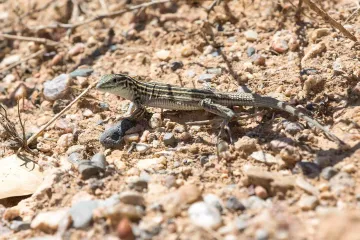
Whiptail lizards are known for their incredible speed, an adaptation that directly supports their active, foraging lifestyle. These reptiles are seldom sedentary, constantly darting across the arid and semi-arid landscapes they inhabit, always on the lookout for their next meal. [7] While often categorized simply as insectivores, a closer look at their feeding habits reveals a surprisingly broad, opportunistic diet that spans from tiny arthropods to small vertebrates. [1][2] Understanding what these lizards consume in the wild provides the essential foundation for caring for them should they become a captive pet. [8]
# Wild Consumption

In their native environments, the diet of whiptails is heavily weighted toward invertebrates, making them efficient hunters of the smaller creatures that scurry across the desert floor and grasslands. [2][3]
# Arthropod Staples
The backbone of nearly every whiptail's diet consists of various arthropods. This includes a wide array of insects, which are often the most readily available food source. [3] They readily consume beetles, grasshoppers, and caterpillars found in their habitats. [3][5] Spiders are also a frequent target across various species, such as the Desert Grassland Whiptail. [2][3] Beyond the common insects and arachnids, these lizards display flexibility by preying on other invertebrates as well. This broader selection includes centipedes, millipedes, snails, and even scorpions—demonstrating a willingness to tackle prey that might deter slower predators. [3][10]
For instance, the Texas Spotted Whiptail is noted for being "always ready to eat" and focuses on insects and spiders. [7] Similarly, the Western Whiptail incorporates insects and other invertebrates into its menu. [9] This consistent preference for creatures with exoskeletons suggests that moisture and protein derived from insects form the primary caloric intake for the group generally. [1]
# Opportunistic Extras
While insects dominate, whiptails are not strictly limited to them. They exhibit opportunistic omnivory and carnivory when the chance arises. [1][2] Sources indicate that their diets can feature small vertebrates. [1][10] This can include small lizards or small snakes, suggesting that if a potential meal is slow enough or small enough to overpower, the whiptail will not pass it up. [3][9][10]
Another significant addition to their natural intake is bird eggs. [3][10] Consuming eggs provides a rich source of fats and nutrients that might be harder to obtain consistently from insects alone. Furthermore, some descriptions note that whiptails may occasionally consume carrion, showing an adaptability to whatever nutritional opportunities present themselves in harsh environments. [9] A few species, while primarily carnivorous, may also consume small amounts of plant matter, such as fruits, making them technically omnivorous, though their preference remains squarely on animal protein. [1]
Given their speed and constant activity, it stands to reason that these lizards must consume food frequently to fuel their metabolism. Unlike some slower reptiles that can go long periods between large meals, a whiptail's continuous movement implies a necessity for regular, perhaps smaller, nutrient inputs throughout the day, making the capture of abundant, smaller prey types essential for survival. [7]
# Maintaining Captive Diets
When a whiptail lizard is kept as a pet, replicating the nutritional diversity they seek in the wild is paramount for their long-term health. [8] While a captive lizard will readily accept readily available feeder insects, variety is key to ensuring they receive a balanced nutrient profile. [1][8]
# Feeder Insects
The foundation of a captive whiptail diet centers heavily on commercially available insects. [4] Crickets are frequently mentioned as a staple food item. [1][4][8] However, relying exclusively on one type of feeder insect can be detrimental over time. To mimic the varied menu of the wild, owners should rotate the primary food source. [8]
Good alternatives and additions to crickets include:
Waxworms, while high in fat, can be used sparingly as a treat or to encourage a reluctant eater, but they should not form the majority of the diet due to their low nutritional value relative to other prey. [1] It is wise for keepers to alternate staple feeders weekly; for example, feeding crickets for one week and supplementing or switching to roaches the next, ensuring the lizard is exposed to different nutrient compositions from varied insect exoskeletons and body fats. [1][4][8]
# Supplements and Extras
While insects form the core, the physical characteristics of captive prey often differ significantly from wild prey that has eaten a natural, varied diet. Wild insects ingest seeds, plants, and fungi, which contributes to their own nutritional density. [3] Therefore, captive feeders must be "gut-loaded"—fed nutritious foods before being offered to the lizard—to pass those nutrients along. [8]
Beyond gut-loading, essential mineral supplementation is required because even well-gut-loaded feeders lack sufficient calcium and Vitamin D3. [8] This is where the analysis of their wild diet informs captive care: wild lizards get calcium from the bones of their prey and from ingesting insects that have processed diverse plant material. In captivity, this must be artificially supplied. [8]
In addition to insects, some sources suggest that small vertebrates or fish can occasionally be included in the diet of some whiptail species kept as pets, though this is less commonly cited than the insect staples. [8] Small pinky mice are mentioned as an occasional offering. [8] Plant matter, like small pieces of fruit, may also be offered to species known to be true omnivores, but this should remain a minor part of the overall intake compared to the necessary protein. [1]
# Feeding Schedule
How often a whiptail should eat is closely tied to its age and metabolic rate, which is influenced by its size and activity level. [4]
Young, rapidly growing whiptail lizards require a more consistent energy supply. For juveniles, daily feeding is often recommended to support their growth spurts. [4]
Adult whiptails, while still very active, have lower constant energy demands than their growing counterparts. A common recommendation for adult captive whiptails is to feed them every other day. [4] This schedule ensures they receive regular nutrition without the risk of overfeeding or obesity, which can occur if an adult lizard is fed the same high frequency as a growing juvenile. [4]
This schedule emphasizes providing smaller, regular meals, which aligns with the observed behavior of whiptails being constantly active hunters in their natural settings. [7] It is crucial for keepers to monitor their pet's body condition; a healthy whiptail should maintain a lean build appropriate for its species, with the tail being full but not overly thick or bulbous, which can be a sign of fat storage. [8]
# Dietary Range Comparison
It is interesting to compare the diets across the identified species to see where uniformity exists and where specialization might occur. The general consensus across multiple field guides and observations is that the Aspidoscelis genus, which includes many whiptails, is highly reliant on invertebrates. [2][3][5][9]
| Prey Category | Common Examples | Present in Wild Diet? | Notes/Variations |
|---|---|---|---|
| Insects | Crickets, Grasshoppers, Beetles | Yes [3][5][7] | Primary food source |
| Arachnids | Spiders | Yes [2][3][5] | Consistently reported |
| Myriapods | Centipedes, Millipedes | Yes [3][10] | Opportunistic large prey |
| Mollusks | Snails | Yes [3][10] | Less frequent but present |
| Vertebrates | Small Lizards, Snakes | Yes [3][9][10] | Less common, high-value meals |
| Eggs | Bird Eggs | Yes [3][10] | Valuable nutrient source |
| Plants/Fruit | Assorted Fruits | Occasionally [1] | Species dependent; minor component |
This table highlights that the core need—protein from bugs—is universal, but the inclusion of larger, more energy-dense items like small vertebrates or eggs is what differentiates the successful foraging of a truly well-fed wild whiptail. [10] For the keeper, this reinforces the need to use a varied diet of captive feeders supplemented with occasional high-value items to best simulate the nutritional upsides found in nature. [8]
Related Questions
#Citations
What whiptail lizards eat - REASSEMBLY
Desert Grassland Whiptail Lizard - Facts, Diet, Habitat & Pictures on ...
Whiptails - Pajarito Environmental Education Center
what do people feed their whiptails? - Catfish - Aquarium World
(species) aspidoscelis neomexicana - Utah Field Guides
Feeding my domesticated wild lizard, I believe these are called ...
Texas Spotted Whiptail a speedy lizard that's always ready to eat
Choosing a Whiptail Lizard | PetPlace.com
Western Whiptail, Cnemidophorus tigris - Las Pilitas Nursery
Whiptails (Aspidoscelis spp.) - Desert Museum