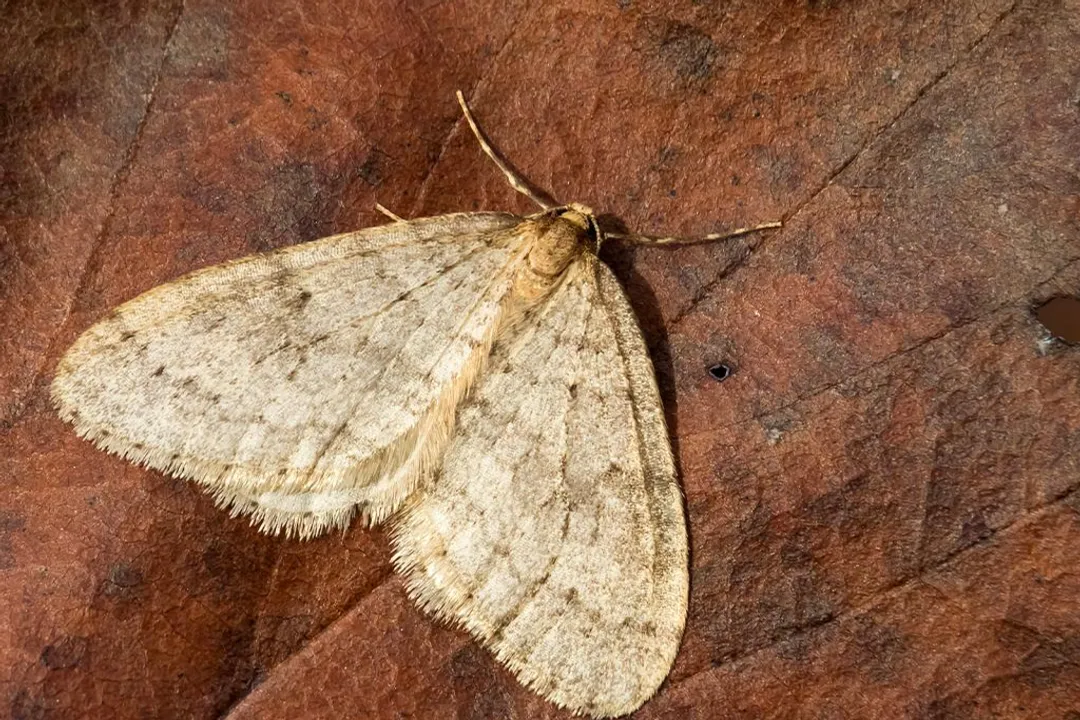
What evolutionary adaptation mechanism is considered less likely to be the primary mechanism for the Winter Moth given adult constraints?
Selection favoring a slightly delayed flight period for the adults.
Evolutionary adaptation in the Winter Moth centers on modifying the timing cues, especially regarding egg hatch, to keep pace with warming springs. While delayed flight for adults could theoretically buffer against a late cold snap that kills early larvae, the text suggests this is a less likely primary adaptation mechanism. This is largely constrained by the biology of the female moth, who is flightless and needs to reproduce shortly after emergence in late autumn/early winter. Modifying the adult flight period significantly conflicts with the physiological and ecological constraints imposed by the flightless female's need to quickly find a mate and lay eggs, making changes related to larval hatch timing (egg dormancy triggers) a more pliable target for selection.