Why is it called a comet moth?

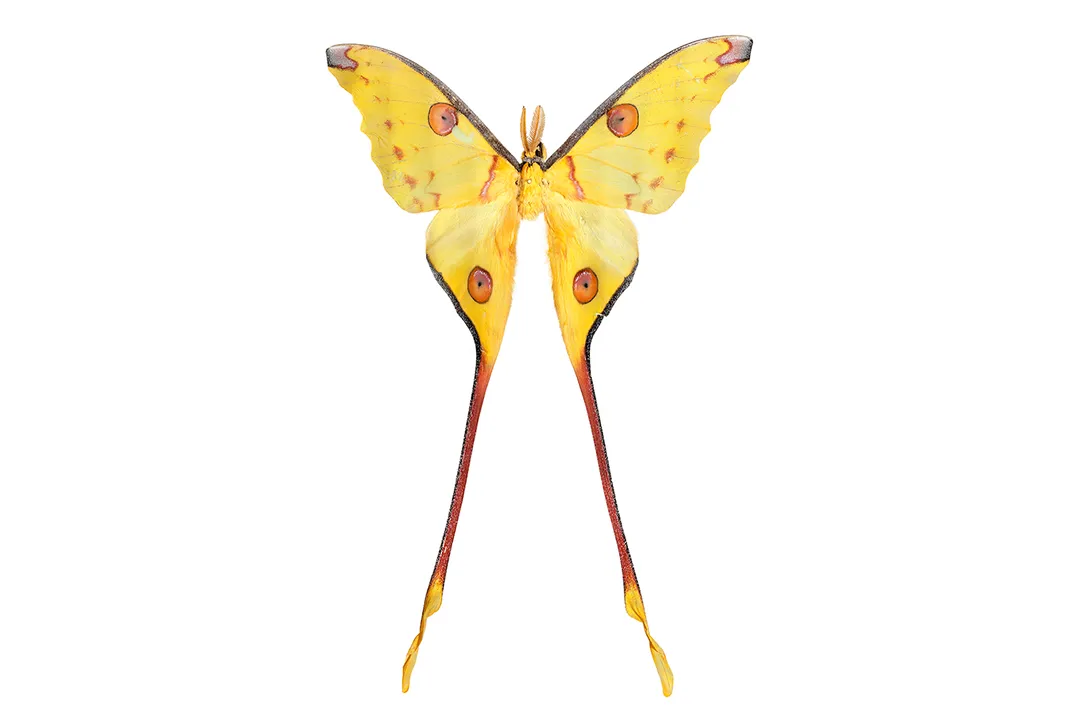
The designation "comet moth" immediately conjures an image of something spectacular streaking across the dark, and for this particular insect, the name is perfectly descriptive of its most striking anatomical feature. [5] This magnificent creature, scientifically known as Argema mittrei, is one of the world's most stunning examples of a silkmoth, earning its common moniker due to the extraordinary, elongated extensions trailing from its hindwings. [1][5] These appendages are not mere decorative fringes; they are substantial, ribbon-like tails that can extend nearly from the body. [5] When the moth flies, particularly in the low light of its native habitat, these long streamers create a visual effect reminiscent of a celestial body moving across the night sky, hence the association with a comet. [1]
# Tail Structure
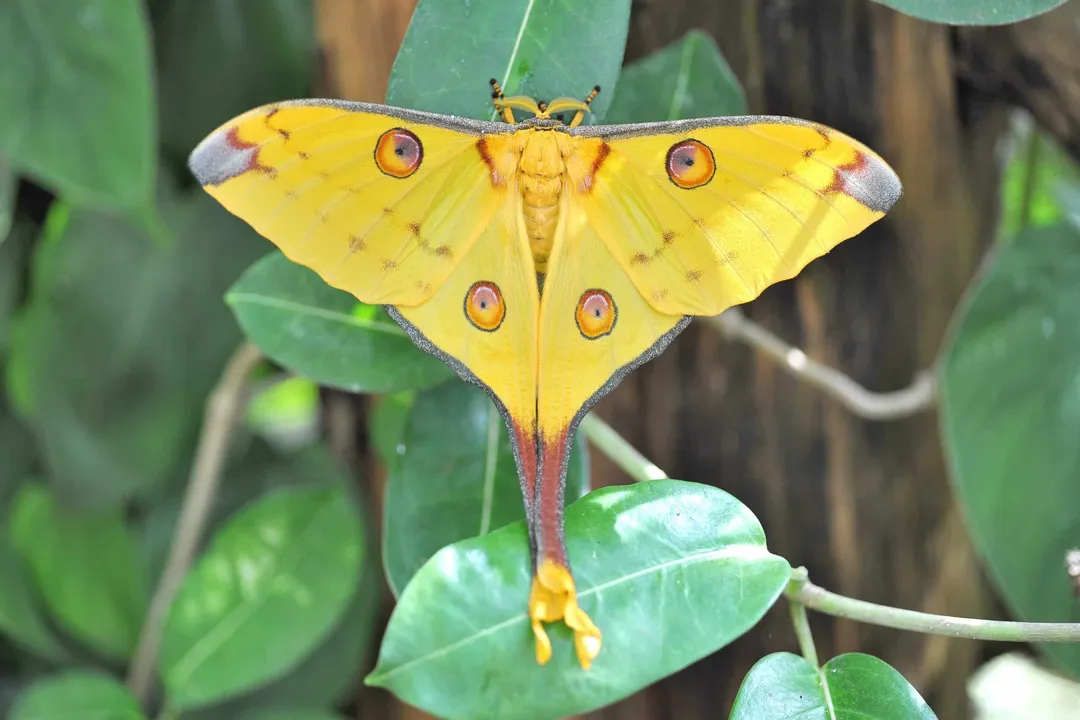
The key to understanding the name lies entirely in these posterior extensions. [1] While the moth itself is large—with wingspans reaching up to or more—it is the tail that secures its place in common parlance. [1][3] These tails appear to be an extreme example of sexual selection, highly pronounced features that demand significant energy to grow and maintain. [1] If one were to measure the body length against the tail length, the discrepancy is dramatic; the main wings are imposing, but the tails add significant visual bulk and length without contributing to aerodynamic lift in the way standard wings do. [5] Some observers suggest that these tails may also function as a form of deflection mechanism, drawing the attention of a predator away from the moth's vital body and head area, though this is a secondary speculation compared to the direct visual link to comets. [1]
# Scientific Naming
Moving beyond the common name, the scientific classification offers its own layer of context. The species belongs to the genus Argema. [1] Its specific epithet, mittrei, honors the person who first documented or collected the species, though the exact circumstances of the naming are often less vivid than the creature itself. [1] This silkmoth is endemic to the island nation of Madagascar, specifically residing within its rainforest ecosystems. [1][3] Its existence is intrinsically tied to the specific flora and climate of that island, making its presence elsewhere, such as in exhibitions, a rare treat. [2][7]
# Madagascar Home

The environment from which the comet moth originates plays a significant role in why its visual characteristics are so pronounced. Living in the deep, often dark environment of the Malagasy rainforest, the moth needs features that stand out, perhaps for intraspecies communication or mating displays, despite the general darkness. [3] The sheer scale of this moth, combined with the trailing tails, makes it one of the most impressive lepidopterans globally recognized. [5] The limited geographic range also contributes to its mystique and perceived rarity outside of its home territory. [1][3]
# Adult Diet
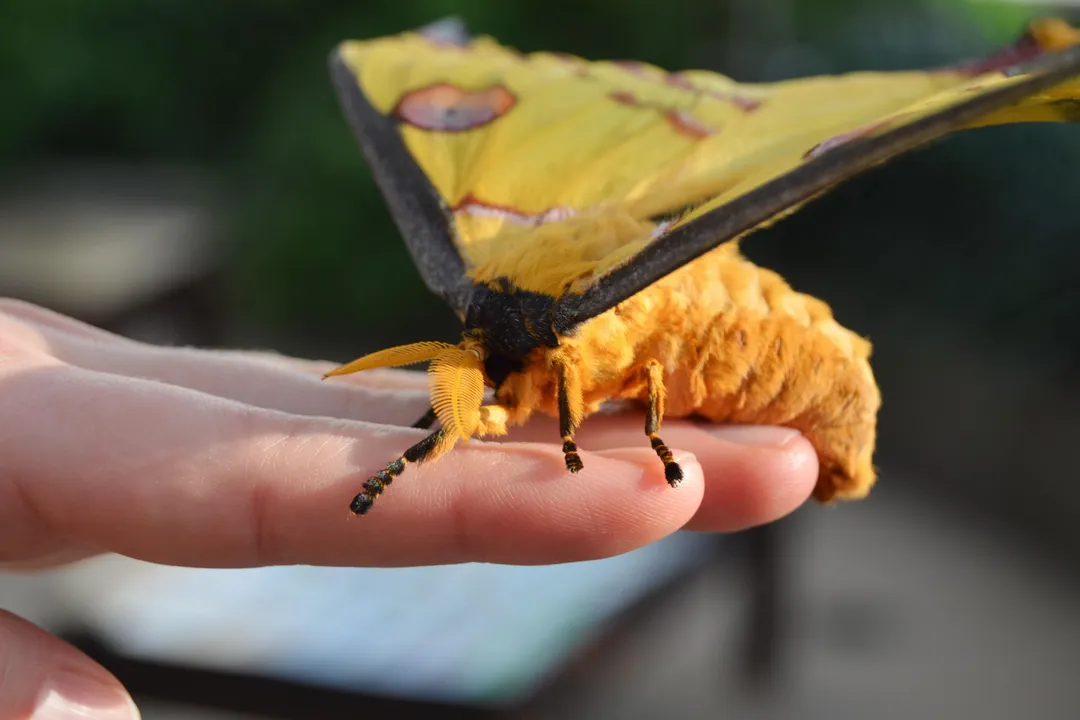
One of the most surprising facts about the Argema mittrei—and a factor that makes its spectacular adult phase so transient—is its inability to eat. [1][5] Like many large silk moths in their final life stage, the comet moth emerges from its cocoon lacking functional mouthparts. [3] This means the adult's entire existence is funded by energy reserves accumulated during its larval stage. [3] This restricted energy budget dictates a very brief adult lifespan, typically lasting only a few days, sometimes extending to about a week under ideal conditions. [1][5] This short window for reproduction adds an element of urgency to its brief appearance. The adult life, perhaps only a week, means that for many people, the entire reproductive window of this magnificent creature happens faster than a standard two-week vacation. [3][5]

# Moth Size
The physical dimensions of the comet moth contribute to its imposing reputation, even separate from the tails. Wingspans can be truly massive, often exceeding and occasionally touching . [1] To put this scale into perspective, this is wider than many paperback books are tall, and the wings themselves are delicately structured, covered in soft, often pale, coloration which further contrasts with the dark habitat. [1][8] The combination of this size and the lengthy streamers firmly establishes it as a showstopper among insects. [5]
# Evolutionary Tradeoffs
The maintenance of such long, streamer-like tails presents an interesting evolutionary puzzle when considered alongside its short, non-feeding life. [1] While these features are clearly advantageous enough to persist—likely aiding in mate attraction—they must also come with certain risks. Such prominent appendages could theoretically snag on vegetation or make the moth an easier target for nocturnal predators that rely on movement detection. [1] Yet, the fact that the species thrives in its niche suggests the reproductive benefit conferred by the tail's visual display outweighs the increased risk of predation or entanglement. While the tails might seem like a handicap, increasing visibility to predators, they are a hallmark of the species, suggesting that in the dark rainforest environment, their primary role might be species recognition or sexual signaling, perhaps overwhelming a predator's focus for a critical second. [1] This balancing act between attraction and hazard is a common theme in the evolution of extravagant insect features.

# Rarity and Captive Life
The difficulty in observing this species in the wild, coupled with its short adult phase, means that many people only ever encounter the comet moth through specialized exhibits. [2][7] Museums and specialized breeders often nurture these moths through their full life cycle in controlled environments, allowing the public a rare chance to witness the emergence and subsequent flight of these tailed wonders. [7] Such captive breeding programs require detailed knowledge of the specific host plants needed for the caterpillar stage, as the adult is entirely reliant on the success of its earlier, feeding phase. [3] Observing a freshly emerged moth, its wings still expanding, provides a tangible connection to the biological realities that produce such visual extravagance, all before that brief, beautiful life ends as its stored energy depletes. [1]
Related Questions
#Citations
Comet moth - Wikipedia
Comet moth - California Academy of Sciences
COMET MOTH - WILDLIFE MADAGASCAR
This stunning comet moth cannot feed so it only lives for 4 to 5 days ...
The World's Most Stunning Silkmoth is Also Quite Extraordinary
Madagascan Comet Moth (Argema mittrei) Credit: Stuart's Butterflies
Rare Comet Moth Emerges From Cocoon at Notebaert Nature ...
Madagascar Comet Moth - Argema mittrei - The Butterfly Babe