What characteristic defines the biomechanics of the S-start escape motion in neonates?
It involves a rapid, non-reciprocal bending of the body
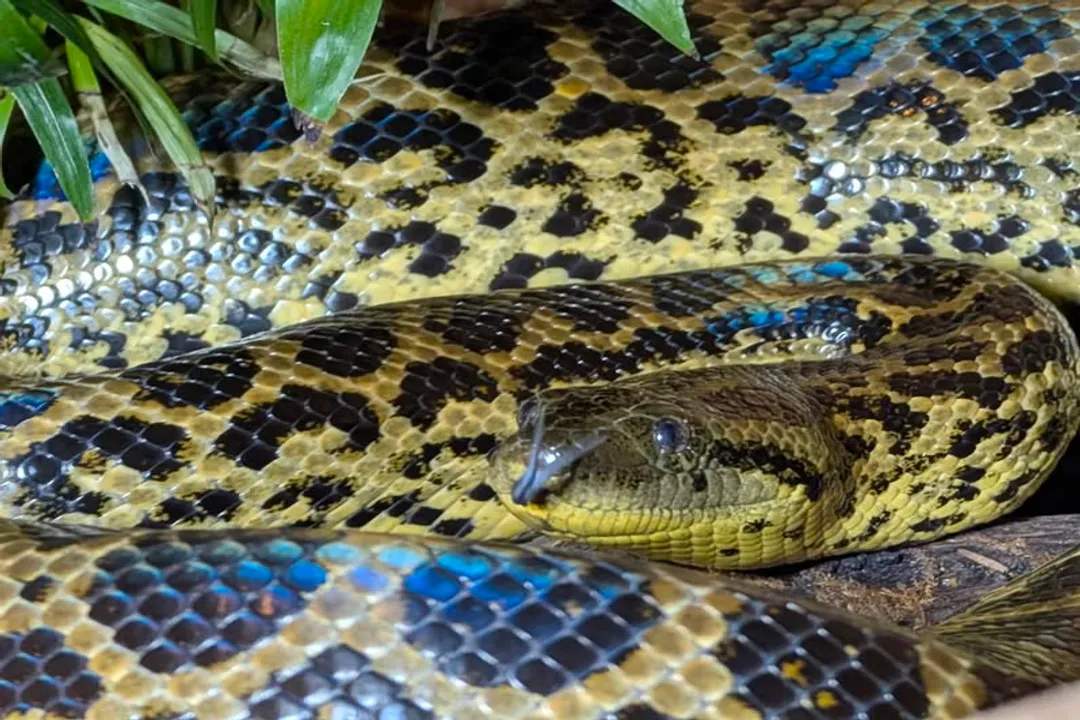
The S-start escape strategy employed by newborn yellow anacondas is defined by its unique mechanical action upon initiation. It involves a rapid, non-reciprocal bending of the body when the snake first makes contact with the water or substrate. This action generates an explosive, rapid escape burst that maximizes initial acceleration, a feature that researchers have been able to model using physics principles. This highly effective, energy-efficient burst strongly suggests that the neural and muscular pathways for this specific, high-stakes evasive action are genetically ingrained, providing an inherited survival advantage from birth rather than being acquired through post-hatching learning.