Yellow Aphids Evolution
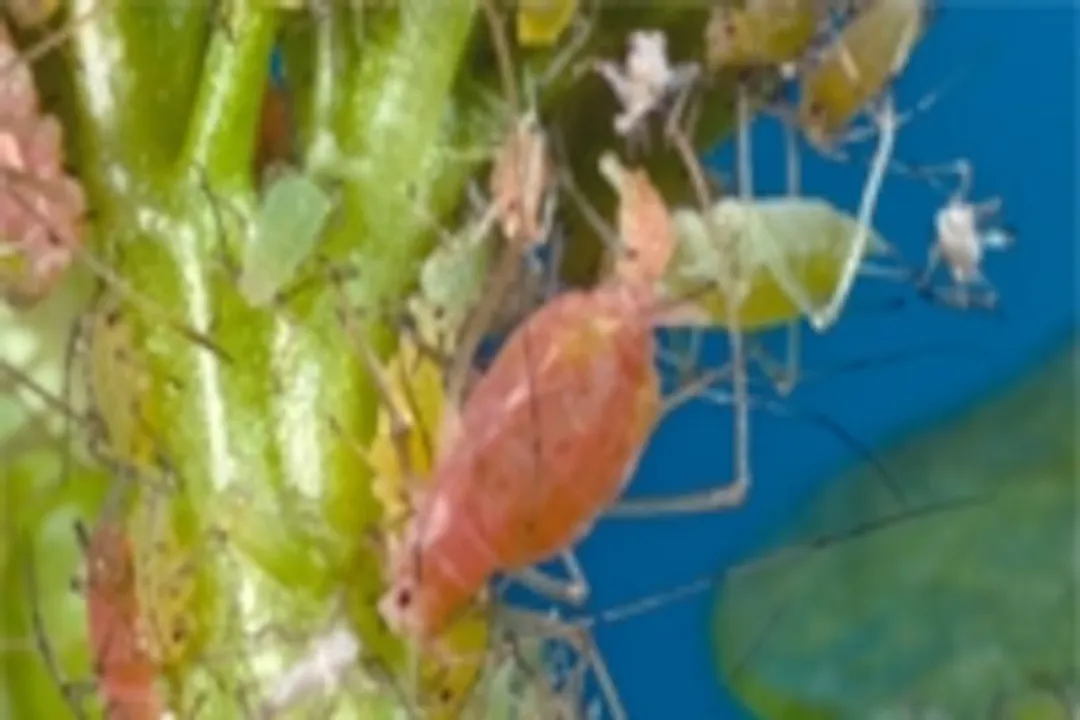
The vibrant hues seen in the insect world often signal danger or mimicry, but for aphids, color can be a marker of recent, astonishing evolutionary events. While many associate these sap-sucking pests with dull green, the presence of bright yellow forms, such as those found in the pea aphid (Acyrthosiphon pisum), raises fascinating questions about how such dramatic shifts occur within a relatively short timeframe. [8][3] These color variations are not mere seasonal changes; they represent differences embedded within genetically distinct groups, illustrating the incredible adaptability of aphids. [10][1]
# Color Source
The striking yellow in some aphid populations, particularly the pea aphid, has a remarkable origin story that highlights unconventional evolutionary paths. This coloration isn't simply derived from pigments the aphid ingests from its host plant, though diet certainly plays a role in phenotype. [8] Instead, evidence points toward a past event of horizontal gene transfer. [9]
# Fungal Genes
The ability for certain aphid lineages to display specific, non-plant-derived pigments appears to be linked to genes acquired from fungi. [9] This process, where an organism incorporates genetic material from another species outside of normal parent-to-offspring inheritance, is relatively rare but profoundly impactful when it occurs. [9] For the pea aphid, the acquisition of these fungal genes provided the biochemical machinery needed to produce carotenoid pigments that result in yellow coloration. [9] This finding fundamentally alters the perceived constraints on aphid evolution; their color palette isn't solely limited to what they eat or what their ancestors passed down, but also what they can scavenge from other kingdoms of life. [9] The yellow morphs of the pea aphid demonstrate this genetic difference clearly, existing alongside red and green morphs, all of which can belong to the same general host range but possess distinct genetic foundations for their appearance. [10][8]
# Aphid Adaptability
The evolution of color is just one facet of the intense selective pressures driving aphid diversification. Aphids are masters of rapid turnover, capable of generating new forms, or host races, that specialize on specific plants within incredibly short spans of time. [1][2]
# Host Race Formation
Speciation in aphids often begins with the formation of these host races, which are groups that specialize on particular host plants, sometimes evolving distinct preferences or adaptations in as little as a few decades. [1][2] The pea aphid complex is a classic example, where different lineages, though morphologically similar, are reproductively isolated based on their preferred host plant, such as clover versus alfalfa. [1] The rapid divergence into these specialized races is supported by genetic analysis, which shows differentiation occurring quickly, sometimes involving shifts between sexual and asexual reproduction cycles. [4]
A key driver for this rapid specialization is the necessity to overcome plant defenses. When an aphid lineage manages to adapt to a new host, the selective pressure from that host’s unique chemistry or resistance mechanisms acts as a powerful filter, favoring only those individuals with the necessary tolerance or detoxification capabilities. [7] This process, where adaptation to a new host drives reproductive divergence, is a core mechanism in aphid evolution. [2]
# Global Spread
This high adaptability translates into enormous geographical success for some species. Consider the melon or cotton aphid, Aphis gossypii. This species is renowned for its cosmopolitan distribution, having colonized nearly every corner of the globe where suitable host plants exist, often found infesting crops ranging from cucurbits to cotton. [5] This ability to thrive across diverse climates and agricultural systems is a testament to its extreme phenotypic plasticity and genetic variability, allowing it to rapidly track favorable conditions or adapt to new ones. [5][2]
It is interesting to consider how widely adopted traits like yellow coloration might influence interactions with natural enemies across these vast geographic ranges. While a red morph might be easily spotted against a green leaf, a yellow morph might blend well with certain flowers or senescing foliage, offering temporary camouflage in one environment but standing out in another. [8]
# Selective Forces
Evolution is not random; it is shaped by consistent challenges from the environment, primarily from predators, parasites, and the hosts themselves. These pressures favor certain traits, like specific colors or feeding preferences, leading to shifts in the population structure over generations. [6]
# Enemy Pressure
Natural enemies, such as parasitic wasps or ladybugs, exert strong selection. If a particular aphid color or morph is more visible to a predator, that morph will be removed from the gene pool more frequently, allowing less visible morphs to proliferate. [6] In the case of the pea aphid, the interplay between color polymorphism and predation risk is complex. [10] Sometimes, the red morph is favored due to lower predation risk, and other times the green or yellow morph might have an advantage depending on the local context, such as the specific background foliage or the presence of certain predators. [10][3]
When managing agricultural pests, this selection pressure from control measures—be they chemical pesticides or the introduction of biocontrol agents—acts as an artificial, intense selective force. If a pesticide kills 90% of the green population but only 50% of the yellow population (perhaps due to a genetic link between color and tolerance), the subsequent generation will naturally show a higher frequency of yellow aphids, a process that accelerates evolutionary change dramatically. [6] This rapid response to novel pressures means that strategies for pest control must account for the potential for immediate evolutionary shifts within the target population. [1]
# Genetic Basis
The genetic mechanisms underpinning these visible traits are being mapped with increasing detail. For instance, studies on host-plant association in aphids reveal specific genetic differences tied to which plant species an aphid lineage prefers. [7] These differences are often small in scale but large in effect, allowing for rapid adaptation to subtle shifts in host chemistry or physiology. [7]
Here is a point to consider regarding the speed of adaptation: while the acquisition of a major trait like color via horizontal gene transfer from a fungus is a singular, dramatic event that opens a new evolutionary pathway, the subsequent fine-tuning of host specialization through slight genetic adjustments occurs continuously and rapidly through standard reproduction cycles. [9][2] Think of it like acquiring a new piece of machinery (the fungal pigment gene) versus optimizing the assembly line that uses it (the host-race specialization). The former is rare and transformative; the latter is common and incremental, but both shape the aphid's success.
# Polymorphism Maintenance
The persistence of multiple colors—green, red, and yellow—within the same species or even the same local population, termed polymorphism, requires specific evolutionary conditions to be maintained rather than one color simply taking over. [10] If yellow were always the best, the red and green morphs would disappear.
# Balancing Selection
The maintenance of color polymorphism often points to balancing selection, where different traits are favored under different environmental conditions. [10] For example, perhaps the green morph has superior camouflage on young alfalfa leaves, the yellow morph has better thermal tolerance during midday heat, and the red morph avoids a specific visual predator active only in the early morning. [3]
In areas with high agricultural diversity, an aphid population might experience multiple, shifting selective regimes simultaneously, preventing any single color from achieving complete dominance. [1] This localized environmental flux acts like a constant genetic mixer, rewarding different genotypes at different times or places within the same field. [10] This explains why managing yellow aphids in one region might require a different tactic than managing yellow aphids just fifty miles away, even if they belong to the same nominal species. Localized adaptation means that the evolutionary trajectory is highly context-dependent.
This inherent variation, supported by both unique genetic acquisitions like the fungal genes and rapid micro-evolutionary adaptation to hosts, makes aphids incredibly successful insects. Their evolutionary flexibility, driven by both large leaps (HGT) and small steps (host race formation), secures their place as one of the most impactful insect groups globally. [2][9]
Related Questions
#Citations
Genotypic variation in yellow autumn leaf colours explains aphid ...
Related but not alike: not all Hemiptera are attracted to yellow
The Colorful Secret Of The Pea Aphid - NPR
Self and non-self recognition affects clonal reproduction and ...
Aphid species and their life cycle - Facebook
Aphids do not attend to leaf colour as visual signal, but to ... - PubMed
Evolution of the Insect Yellow Gene Family - Oxford Academic
Mellow Yellow – Not all aphids live on green leaves
Aphids got their colours by stealing genes from fungi
Parallel Evolution in the Integration of a Co-obligate Aphid Symbiosis