Yellow Anaconda Diet
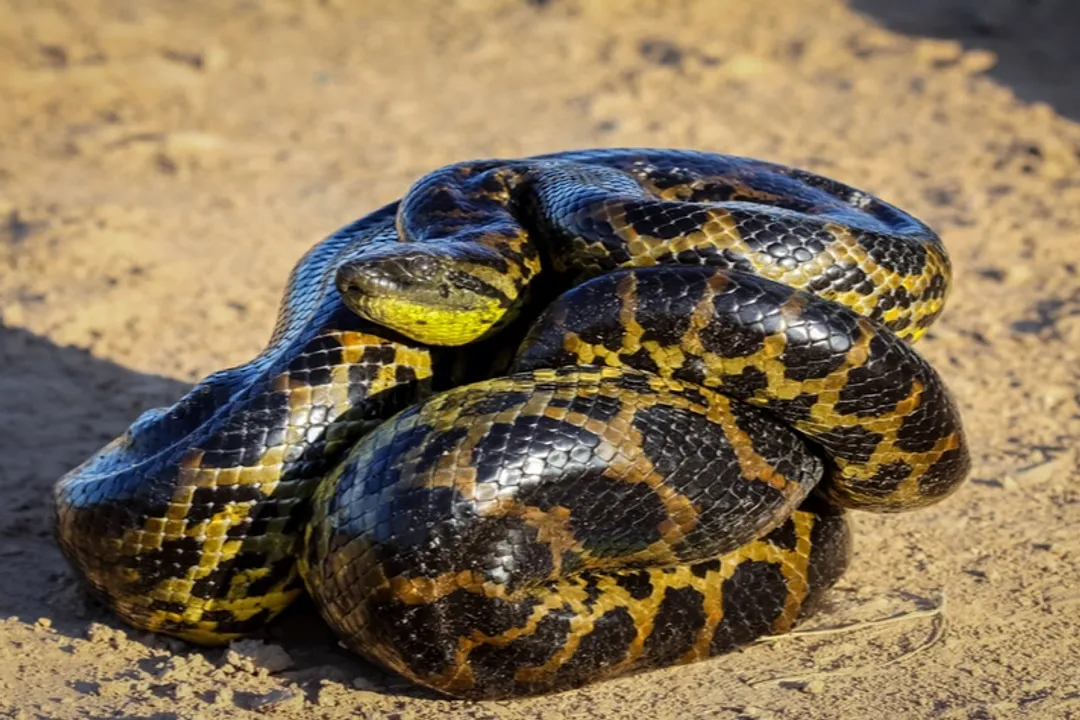
The diet of the yellow anaconda (Eunectes notaeus) is intrinsically linked to its semiaquatic existence in the wetlands and marshes of South America, particularly regions like the Brazilian Pantanal. [1][4] While often overshadowed by its larger cousin, the green anaconda, the yellow anaconda is a formidable constrictor whose meals reflect the availability of sizable prey in its watery domain. [4][6] Understanding what they consume in the wild provides a crucial baseline for responsible care if one is maintained in captivity. [6]
# Habitat Influence
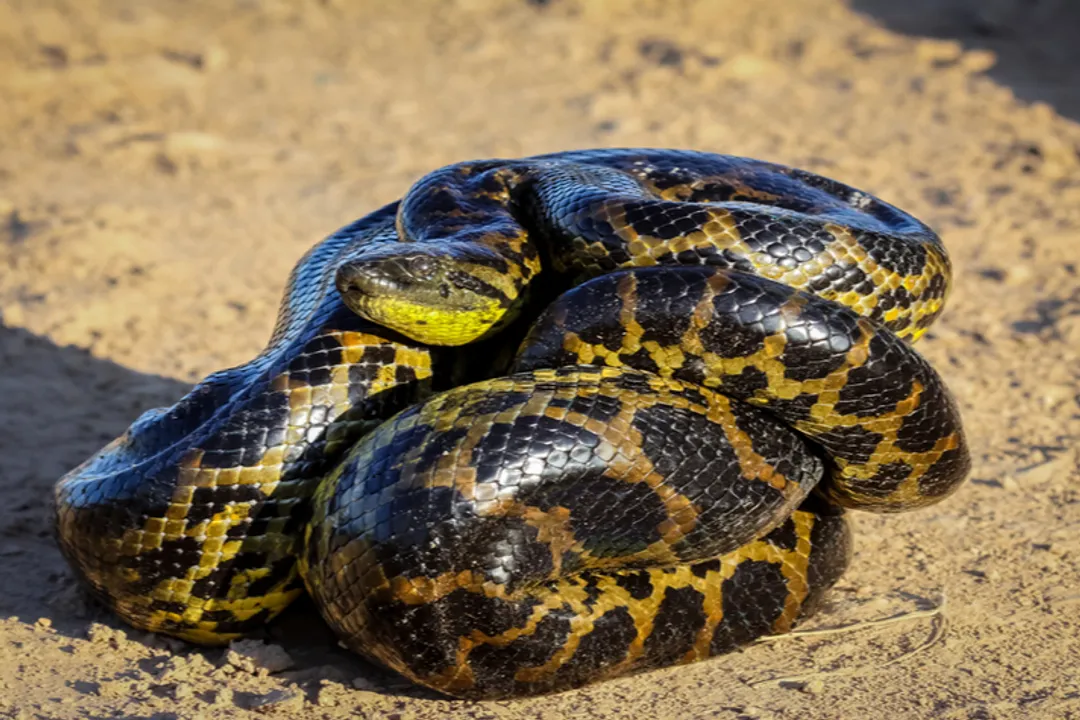
The distribution of the yellow anaconda strongly dictates its menu. They favor slow-moving or stagnant waters, marshes, and seasonally flooded grasslands. [1][5] This environment provides both excellent ambush opportunities and access to specific prey concentrations. [6] Unlike strictly terrestrial snakes, their aquatic nature means that fish and amphibians likely form a more immediate and accessible part of their diet, especially when young, even if mammals remain the primary protein source for mature individuals. [5] Observing the local fauna in their native range—such as the aquatic rodents and wading birds common to the Pantanal—gives the clearest picture of their evolutionary feeding strategy. [1]
# Natural Prey
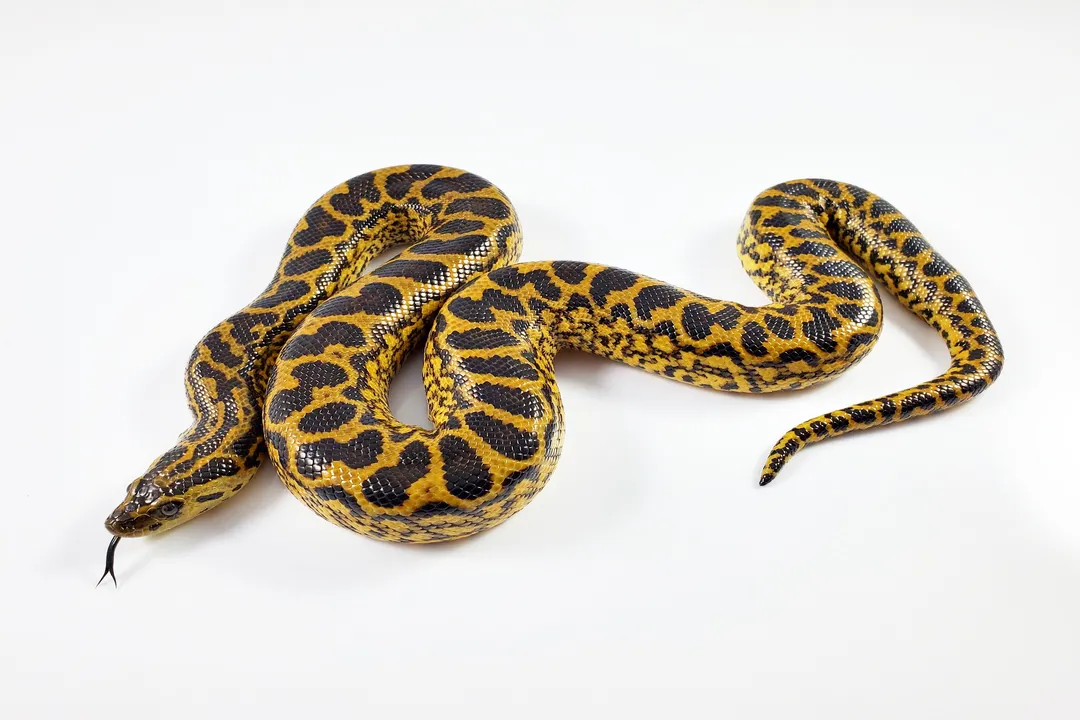
The prey spectrum shifts dramatically as a yellow anaconda matures. Juveniles begin by consuming smaller items, often including rodents, small birds, and fish. [4][5] As they grow, the prey must scale up to meet the energy demands of such a large, muscular reptile. [4] Adult yellow anacondas target substantial prey, including medium-sized mammals and reptiles. [5][6] Noteworthy wild meals include capybaras and even caimans, demonstrating their power to overpower creatures significantly larger than themselves once fully grown. [1][4]
It is fascinating to observe the proportional scaling of the prey items offered in managed care settings. A common practice among experienced keepers is to ensure that the prey item offered rarely exceeds 10 to 15 percent of the snake’s body weight, though this can vary based on the snake’s current body condition and feeding history. [6] Mimicking nature means recognizing that the snake is not simply eating more, but eating proportionally larger meals as its size increases, which dictates a necessary, steep escalation in the size of their primary food source over the years. [3]
# Hunting Cycle
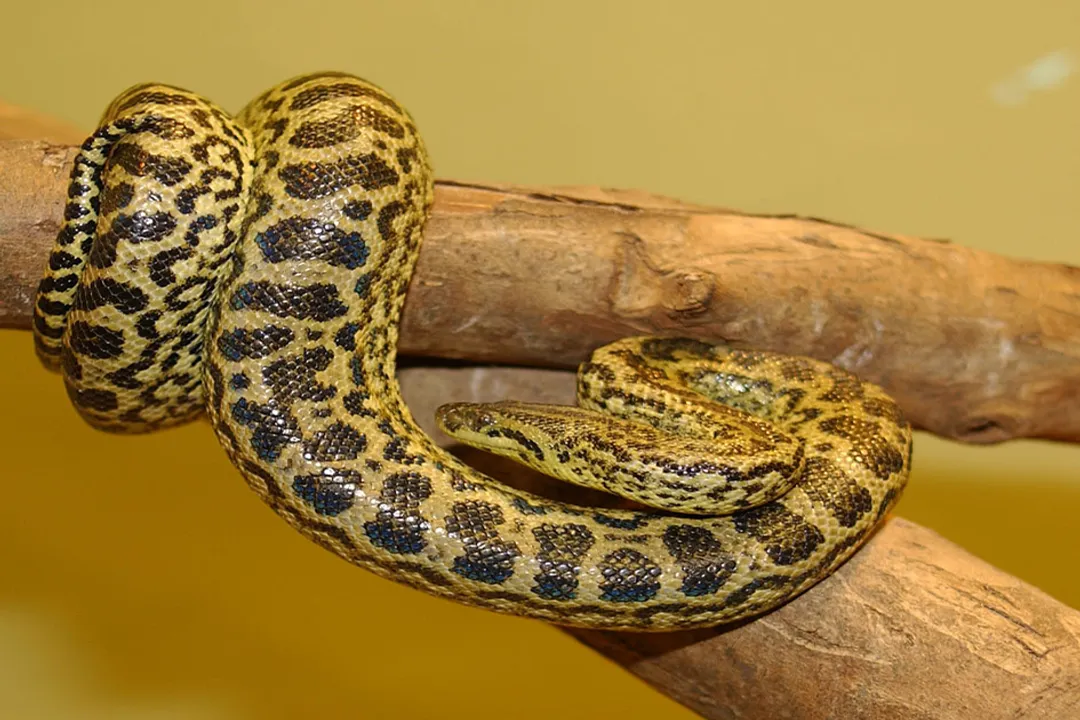
Yellow anacondas are classic ambush predators. They spend significant time submerged, often with only their eyes and nostrils breaking the surface, waiting for an unsuspecting animal to come to the water's edge for a drink. [6] Once prey is within striking distance, the attack is swift. They use their powerful musculature to coil around the victim, constricting it until respiration ceases. [5]
Because of their sheer size and the massive meals they consume, their feeding frequency in the wild is relatively infrequent. An adult might feed only a few times a year, digesting a single large meal over a period that can last weeks or even months. [6] This slow metabolism is characteristic of large, non-venomous constrictors. A key difference between them and many terrestrial snakes of similar length relates to water access: a snake that can easily retreat to water to digest a large meal may sustain a slower metabolic rate than a dry-land equivalent that must fully process its meal on exposed ground, where maintaining optimal digestion temperature might require more frequent, smaller intakes.
# Keeper Rations
When kept as pets, the feeding regimen transitions from opportunistic predation to scheduled meals, which must be carefully managed to replicate the nutritional profile of their wild diet. [6] The staple diet for captive yellow anacondas typically centers on readily available, whole-prey items. [6]
For younger or smaller specimens, food items might include small to medium-sized rats or chicks. [6] As the snake grows, keepers transition to larger mammals, with rabbits and guinea pigs becoming the standard fare for large adults. [3][6] Some sources indicate that rats and mice are suitable for smaller snakes, but rabbits become essential for the largest individuals. [6]
| Age/Size Class | Common Captive Prey Examples | Notes |
|---|---|---|
| Juvenile | Small Rats, Chicks | Focus on frequent, smaller meals. [6] |
| Sub-Adult | Medium to Large Rats | Transitioning to larger rodent sizes. [3] |
| Adult | Rabbits, Guinea Pigs | Necessary for supporting significant mass. [3][6] |
It is vital for those caring for these snakes to ensure the prey is appropriately sized, healthy, and offered in a way that encourages natural feeding behavior without stressing the animal. [6] While the prey types differ from a caiman in the Pantanal, the principle of providing a substantial, whole food source remains the same. [1][5] Failure to provide adequate caloric intake during growth phases can stunt development, while overfeeding large adults can lead to obesity and related health issues. [6]
#Videos
Feeding Yellow Anaconda 2013 - YouTube
Related Questions
#Citations
Yellow Anaconda - FWC
Yellow Anaconda (Eunectes notaeus) - Species Profile
Female Yellow Anacondas have a natural diet of snakes ... - Reddit
Yellow anaconda - Wikipedia
Eunectes notaeus (Yellow Anaconda) - Animal Diversity Web
Yellow Anaconda Care Sheet - Fisher Reptiles
Yellow Anaconda - Facts, Diet, Habitat & Pictures on Animalia.bio
The Yellow Anaconda Can Form Days-long 'Breeding Balls'
Yellow Anaconda Care Sheet - Reptiles Magazine
Feeding Yellow Anaconda 2013 - YouTube