Yellow Tanager (Black-and-Yellow Tanager) Evolution
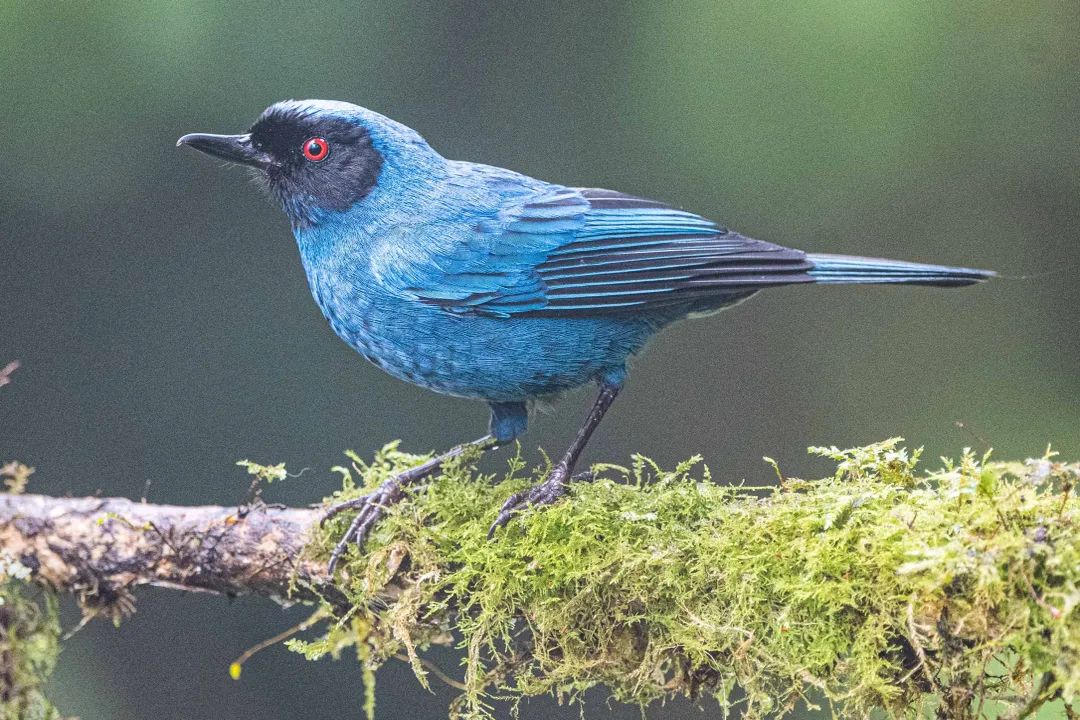
The Black-and-Yellow Tanager, often simply called the Yellow Tanager in some circles, presents a striking visual contrast that captures the attention of any birder in its humid, lowland habitat. Scientifically designated as Chrysothlypis chrysomelas, this species belongs to a group of birds whose classification has proven historically complex. Understanding its evolution requires first situating it correctly within the avian family tree, which is far less straightforward than the name "tanager" might imply. For many years, the term "tanager" served as a convenient grouping for a wide array of colorful New World passerines. However, modern molecular studies have revealed that this group is not strictly monophyletic—meaning not all birds traditionally called tanagers share a single, exclusive common ancestor. Some species formerly placed in Thraupis or related genera have been reassigned, sometimes to entirely different families like the Cardinalidae, the cardinals and buntings. The Chrysothlypis genus, where the Black-and-Yellow Tanager currently resides, represents one of the lineages that genetic work has helped solidify, placing it within the true tanagers, the Thraupidae family. This process of taxonomic revision is itself an evolutionary story, showing how our understanding of deep genetic divergence catches up with superficial morphological similarities.
# Taxonomic Identity
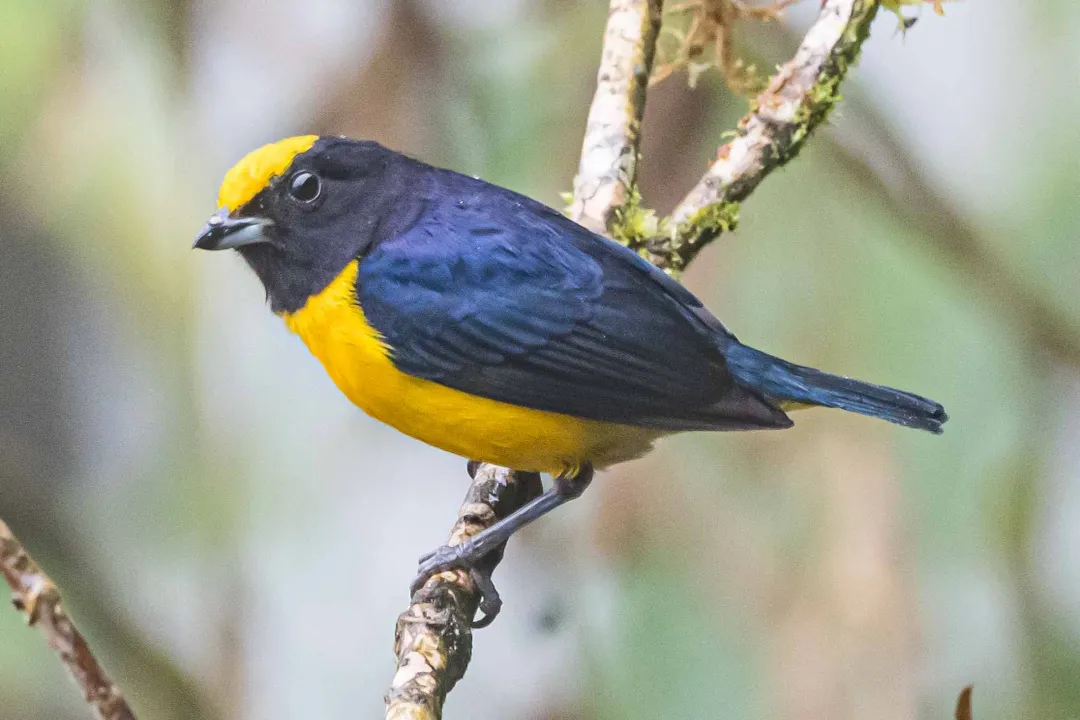
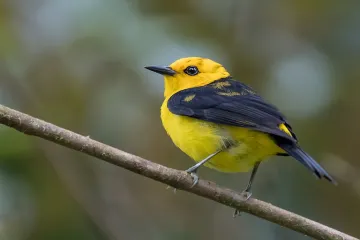
The genus Chrysothlypis contains only a few species, suggesting a relatively tight evolutionary cluster. The Black-and-Yellow Tanager is sexually dimorphic, a common evolutionary trait. Males exhibit the bright, unmistakable pattern of deep black contrasting sharply with brilliant yellow. The females, while still patterned, tend toward duller tones, often appearing more olive-yellow or yellowish-greenish where the male shows pure black and vibrant yellow. This difference in appearance between sexes suggests strong sexual selection pressures acting on the males, driving the evolution of their brighter plumage for courtship displays and territorial defense. Geographic variation exists across its range, but it is generally considered monotypic, meaning there are no widely recognized subspecies within C. chrysomelas. The closest relatives within the genus often reveal clues about divergence times, though the specific genetic distances that define the split between Chrysothlypis and its sister genera are subjects of ongoing scientific refinement.
# Plumage Structure
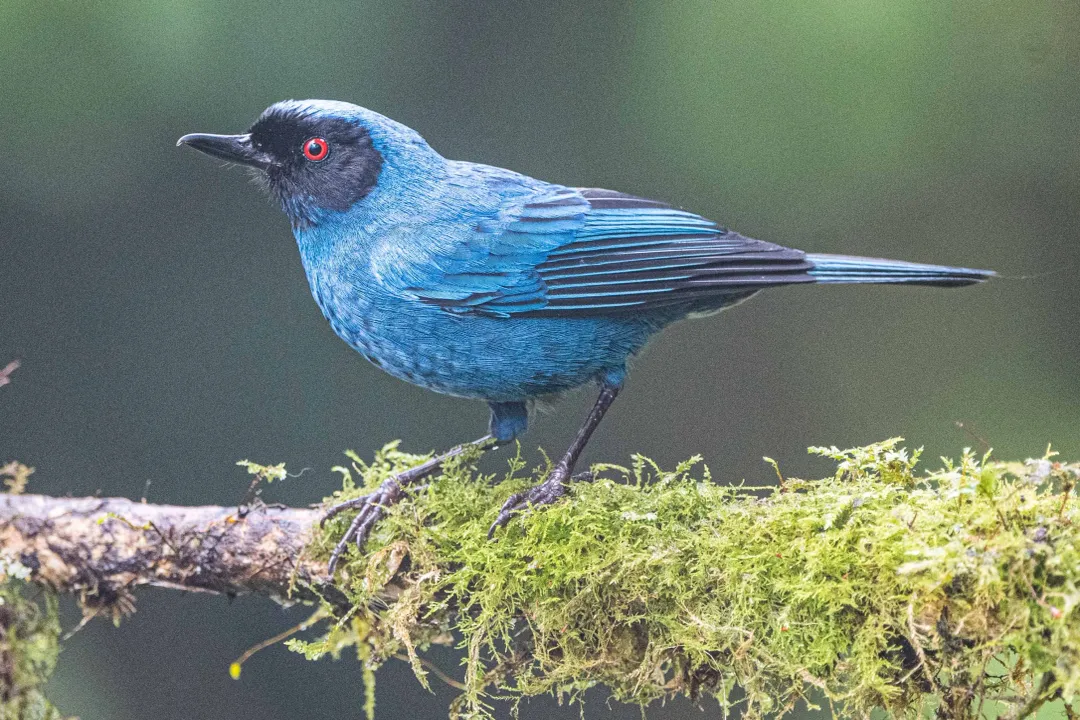
The evolution of the bird’s appearance is fascinating because its most brilliant colors are not solely derived from pigments alone. While carotenoids and melanins produce some of the yellow and black, the intense saturation and sheen, particularly on the yellow areas, often result from the physical structure of the feathers themselves. Birds achieve structural color when nanostructures within the feather barbules scatter light in specific ways, a phenomenon related to how iridescence works in hummingbirds or peacocks, although the exact mechanism differs. The Princeton study on songbirds highlighted that even layers hidden beneath the surface—white feather layers reflecting through the outer colored layers—can modify the perceived color of the surface plumage, making the visual signal more complex and potentially more effective for communication than a simple pigment wash. In the case of the Black-and-Yellow Tanager, this interplay between pigment (melanin for black, likely carotenoids for yellow) and microstructure creates a signal that is highly visible against the dark, shaded background of the tropical understory where it often forages. This structural enhancement represents an evolutionary adaptation to optimize signal transmission in a challenging visual environment.
When considering the energetic cost, developing and maintaining feather structures capable of manipulating light is metabolically expensive. The evolutionary persistence of such elaborate structural coloring implies a significant payoff, either in successfully securing a mate or in establishing dominance over rivals, suggesting that the visual acuity and preference of potential mates heavily shaped this aspect of its morphology.
# Range History
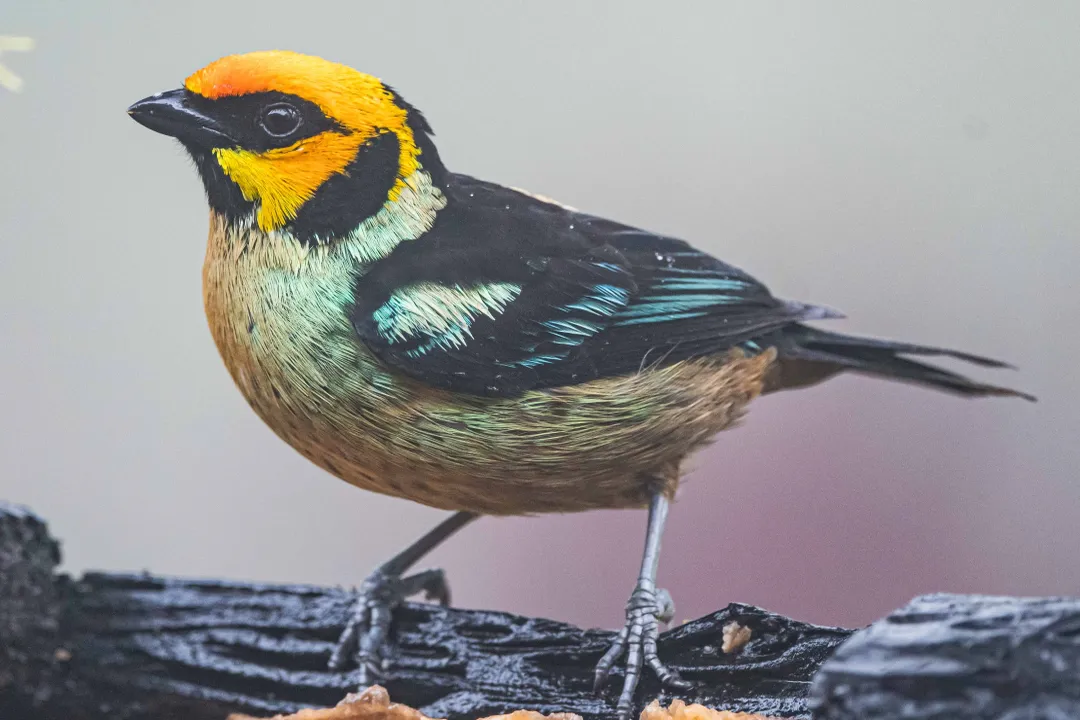
The Black-and-Yellow Tanager is endemic to the humid lowlands of the Pacific slope of Central America, with a distribution stretching from southern Mexico south through Panama. Its occurrence in Colombia, for instance, is generally confined to the Chocó region along the Pacific coast. This restricted, geographically distinct range is a major clue to its evolutionary narrative. Geographic barriers, such as high mountain ranges or broad, dry valleys, often lead to allopatric speciation, where isolated populations diverge genetically over time until they become distinct species. The Pacific slope environment, characterized by high rainfall and dense forest cover, likely provided a stable, specialized niche for this bird for a long period, allowing C. chrysomelas to evolve its specific adaptations without excessive interbreeding pressure from congeners living in different habitats, such as the drier Caribbean slope or higher elevations. The fact that birds of paradise, for example, show dramatic evolutionary radiation linked to island isolation offers a parallel, though on a much grander scale, to how localized habitat persistence can favor a specific lineage like Chrysothlypis.
An interesting thought experiment arises when comparing this species to its nearest relatives, such as the Golden-hooded Tanager (Buteracolus auriantus), though they are in different genera. If a population of ancestral tanagers colonized the wet Pacific lowlands and became geographically separated from a population that stayed in a different habitat (perhaps the drier interior or Caribbean side), the selective pressures—such as humidity, available insect life, or visibility conditions—would drive independent evolutionary trajectories, potentially leading to the creation of distinct species like the one we observe today.
# Feeding Niche Evolution
The diet of the Black-and-Yellow Tanager centers on fruits and insects, a mixed foraging strategy common among many tropical passerines. The capacity to consume both animal protein (insects) and high-energy carbohydrates (fruit) provides flexibility, which is an important evolutionary buffer against environmental change. Insects are vital for protein delivery, especially during breeding seasons when nestlings require rapid growth, while fruits provide necessary sustenance during non-breeding periods.
One can infer that the successful evolution of this species in its specific lowland tropical biome is intrinsically linked to the evolutionary success of the flowering and fruiting plants there. Many specialized tropical frugivores co-evolve with the plants whose fruit they consume, acting as primary seed dispersers. Over millennia, the tanager's beak morphology and digestive efficiency would have specialized to handle the specific sizes and toughness of local fruits, while the plants, in turn, evolved fruits optimized for ingestion by birds like the Black-and-Yellow Tanager. This mutualistic relationship creates a deep, enduring co-evolutionary bond that anchors the bird to its specific habitat type. If the availability of key fruit species declined due to climate shifts or deforestation, the bird's reliance on insect prey would be severely tested, highlighting the evolutionary fine-tuning achieved in this balanced diet.
# Conservation Status
From a broad evolutionary perspective, the long-term survival potential of any species is crucial. The Black-and-Yellow Tanager is currently listed as "Least Concern" by the IUCN Red List. This status suggests that, despite its relatively restricted geographic range along the Pacific slope, the population is currently stable and widespread enough across that range to avoid immediate threats. A species that has persisted across geological timescales, demonstrating adaptability in its plumage and diet, often possesses a degree of inherent resilience. However, habitat specificity remains a vulnerability. Because it is strongly associated with humid lowland forests, extensive deforestation in Central America poses a long-term risk that could fragment populations, potentially leading to the genetic bottlenecks that initiate new evolutionary divergence or, conversely, cause localized extinctions.
The continued study of its closest relatives within Chrysothlypis using modern genetic tools will refine our understanding of when and how the Black-and-Yellow Tanager lineage diverged from its ancestors. These genetic markers provide the clearest picture of the evolutionary timeline, tracing back the moments where populations split and evolved into the distinct forms we see today, whether through adaptation to a specific moisture gradient or dietary shift.
Related Questions
#Citations
Black-and-yellow tanager - Wikipedia
Black-and-yellow Tanager - Chrysothlypis chrysomelas
Black-and-yellow Tanager Chrysothlypis chrysomelas - eBird
Hidden White and Black Feather Layers Make Colorful Songbirds Pop
Black-and-yellow Tanager - Birds of Colombia
Orange-bellied Euphonia. Photos by Anders Gyllenhaal.
Yellow Tanager (Black-and-Yellow Tanager) Bird Facts - A-Z Animals
Black-and-yellow Tanager Chrysothlypis Chrysomelas Species ...
Black-and-yellow Tanager (Chrysothlypis chrysomelas) identification
Tanagers - Desert Museum