Yellow Anaconda Locations
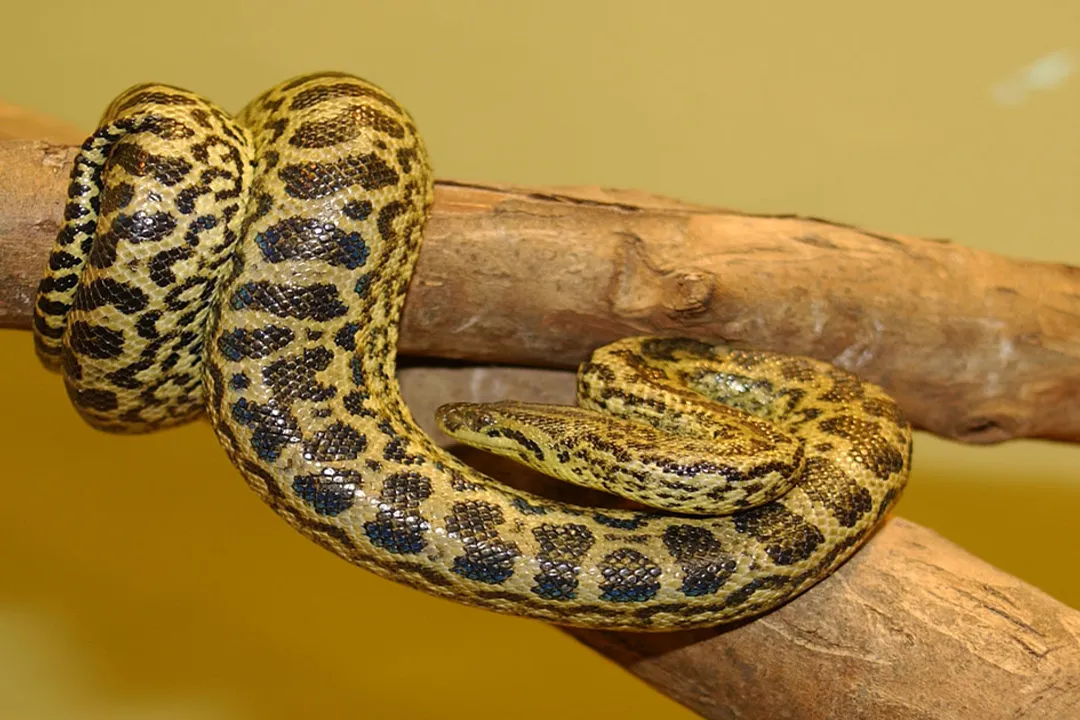
The yellow anaconda, Eunectes notaeus, is a captivating, powerful reptile whose geographical footprint is distinctly concentrated within a specific region of South America. Unlike its more famous, larger green cousin, the yellow anaconda maintains a more southerly and westward distribution across the continent, making its observation a specialized pursuit for herpetologists and wildlife enthusiasts alike. [1][8] Understanding where to find this species involves looking closely at the complex wetland systems that define its preferred environment. [2]
# South American Habitat
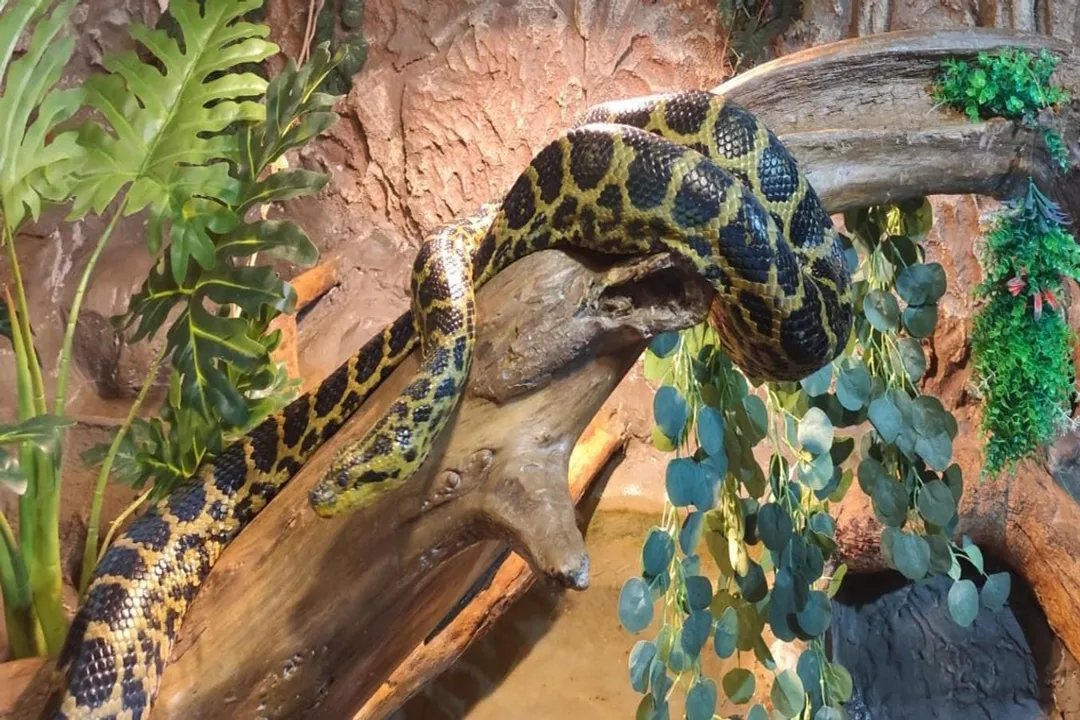
The native range of the yellow anaconda centers around the subtropical regions of central South America. [1][8] Key countries where this species is known to occur include Paraguay, southern Brazil, Bolivia, and northern Argentina. [1][5][8] This distribution pattern places it primarily within the Paraná-Paraguay River basins, which are crucial hydrological systems that feed into the massive Río de la Plata system. [1]
The presence in Argentina, for instance, is often associated with specific environments like the Iberá Wetlands, one of South America's largest freshwater marsh systems. [5] This highlights a critical factor in locating the species: they are intrinsically tied to large, slow-moving, or stagnant bodies of water rather than fast-flowing rivers. [2]
# Wetland Association
Yellow anacondas show a strong preference for lowland aquatic habitats characterized by dense vegetation. [2] These environments include swamps, marshes, flooded grasslands, and the edges of lakes or slow-moving streams. [1][2][8] They are semi-aquatic snakes, spending the majority of their lives in or very near the water, using the dense cover for both ambush predation and thermoregulation. [2]
When water levels recede during drier seasons, these anacondas may concentrate in the remaining pools or be forced into temporary terrestrial movements to find better cover or water sources. This seasonal shift in availability of ideal habitat profoundly influences where researchers or observers might detect them throughout the year. [2]
Comparing the yellow anaconda's distribution to that of the green anaconda (Eunectes murinus), one can observe a distinct southwesterly boundary for E. notaeus. [1] While the green anaconda favors wetter, more equatorial, and generally more tropical areas across the Amazon and Orinoco basins, the yellow anaconda thrives in the slightly cooler, seasonally drier subtropical climate of the La Plata basin. [1] This geographical separation is a defining characteristic of their respective ecological niches, showing how subtle climatic variations structure reptile diversity across the continent. [1]
# Survey Challenges
Pinpointing exact population densities or mapping precise locations is notoriously difficult because the snake's entire life cycle is bound to these sprawling, often remote, and sometimes seasonally flooded wetlands. [2] An observer looking for a yellow anaconda must contend not only with the snake’s camouflage—which is exceptionally effective against the yellowish-brown vegetation and muddy bottoms of its habitat—but also with the sheer inaccessibility of the best locations. [2]
When tracking or observing in areas like the Argentinian wetlands, researchers often find that initial surveys focusing on easily accessible riverbanks yield few results. Success often hinges on accessing the deeper, more permanent marsh interiors or waiting for periods when drought forces the snakes into smaller, isolated water bodies, concentrating the population temporarily. [5] This suggests that the apparent location of the snake often reflects temporary convenience rather than its long-term core territory.
# Non-Native Territories
While the species is native to South America, the presence of yellow anacondas in locations outside their natural range is often noted in contexts related to the exotic pet trade or biological control monitoring. [3][4] The trade in non-native reptiles means that captive populations exist globally. [4]
In regions like Florida, for example, regulatory agencies maintain interest in monitoring for non-native constrictors, including anacondas, due to concerns about establishing invasive populations should animals escape or be intentionally released. [3] Although the yellow anaconda is not as frequently cited in invasive species discussions as the green anaconda, its appearance on wildlife profile lists indicates that its potential, if introduced, warrants attention based on its predatory capabilities. [3] Any confirmed sighting outside of South America would almost certainly represent an individual escapee rather than a breeding population, given the specific subtropical climate requirements needed for sustained survival and reproduction. [2]
# Interpreting Sighting Data
When reviewing observational data, such as that compiled through citizen science platforms, it is essential to critically evaluate the reported locations based on the known ecological requirements of Eunectes notaeus. [8] A sighting reported far south of known distribution limits or in an arid, mountainous area should be treated with skepticism or at least noted as highly unusual, likely representing a released pet or misidentification. [1][8] For instance, while an observation might be logged within a broad South American country listing, an experienced biologist would immediately cross-reference that specific coordinate with known marshlands, particularly those fed by the Paraguay or Paraná rivers, before accepting it as a reliable native habitat marker. [2]
The density of observations, when available, tends to cluster around well-documented river systems and protected wetland reserves within Paraguay and Southern Brazil, which aligns perfectly with the known core habitat requirements of the species. [1] These areas offer the persistent water source and abundant prey base needed to support a large, aquatic ambush predator. [2] The consistency across scientific literature and observational databases regarding this core region provides high confidence in its native distribution limits. [1][8]
Related Questions
#Citations
Yellow anaconda
Yellow Anaconda (Eunectes notaeus) - Species Profile
Yellow Anaconda
Yellow Anaconda
Yellow Anaconda – Wetlands - Argentina
Yellow Anaconda | Zoo tycoon movie Wikia - Fandom
Yellow anaconda species found in Bolivia
Yellow Anaconda (Eunectes notaeus)
Yellow Anaconda Facts & Photos