Yellow Cobra Evolution
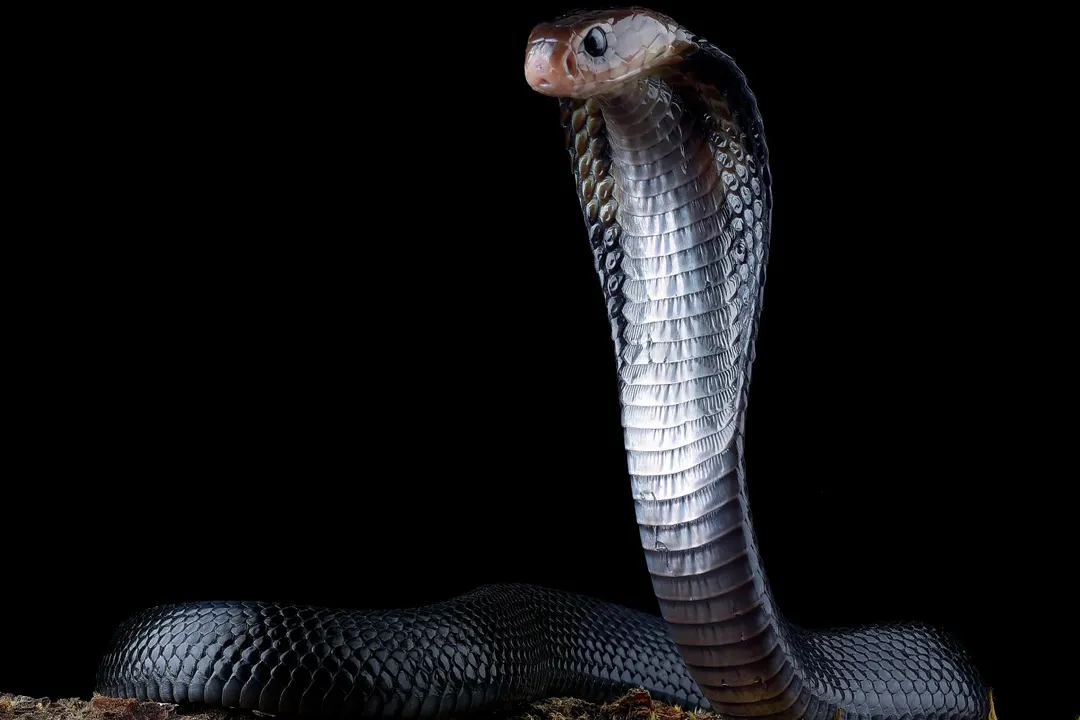
The concept of "Yellow Cobra Evolution" immediately branches into disparate realms, moving from the ancient adaptive pressures shaping reptiles to the modern modifications of high-performance machinery and the iterative changes within fictional universes. It is a term that forces us to consider evolution not just in terms of natural selection over millennia, but also technological refinement and creative development. [1][3][8]
# Biological Lineage
In the biological world, the focus often lands on Naja nivea, commonly known as the Cape Cobra, which is one of Africa's most dangerously venomous snakes and frequently exhibits a striking yellow coloration. [1] This species is endemic to Southern Africa, thriving in arid to semi-arid regions. [1]
Comparing the Cape Cobra's niche to the broader evolution of its relatives reveals interesting geographical patterns. While the Cape Cobra is a significant player in African herpetology, the evolutionary origins of cobras and related elapids are generally traced back to Asia. [3] This suggests a dispersal event followed by significant divergence and adaptation to the distinct South African environment, leading to the specialization seen in N. nivea. [1][3]
A fascinating aspect of the Cape Cobra’s survival strategy is its plasticity. While commonly yellow, the species displays remarkable color variation, including individuals that are entirely black or various shades of brown. [1] This polymorphism is likely driven by local camouflage needs, suggesting that the "yellow" designation is simply the most visible or common morph in certain populations, rather than the only evolved form. Examining the specific evolutionary paths that favored yellow versus black morphs in different localized South African microclimates—perhaps balancing predation avoidance against thermal absorption in sun-drenched environments—offers a rich area for specialized study beyond the general understanding of the species. [1]
# Color Signals
The vivid yellow or black coloring common to the Cape Cobra is not merely aesthetic; it serves an evolutionary purpose tied to warning signals. In the wider context of snakes, the combination of black and yellow is universally recognized by many animals, including potential predators, as an aposematic display—a visual cue signaling danger or toxicity. [9]
When a Cape Cobra faces a threat, it employs its famous threat display, spreading its neck ribs to form a hood. [1] This behavior, coupled with its coloration, maximizes the visual impact of the warning. The evolution of this visual intimidation is a key component of its defense, often allowing the snake to deter an attack without resorting to envenomation, which is energetically costly and inherently risky even for the snake. [1] The fact that some cobras utilize mimicry, or that the patterns on the back of the hood can resemble the face of a larger predator, speaks volumes about the intense selective pressure favoring effective visual deterrence throughout their evolutionary history. [5]
# Automotive Adaptation
The term "Cobra" also invokes the powerful legacy of the Shelby Cobra sports car, a machine whose "evolution" is measured in horsepower ratings and chassis modifications rather than biological adaptation. The original Shelby Cobra, a marriage of an AC Ace chassis with a Ford V8 engine, underwent a significant mechanical evolution, culminating in models like the famed Shelby Cobra 427. [8]
This vehicular evolution involved continuous refinement of the engine, suspension, and bodywork to handle ever-increasing power outputs. [8] The modification seen in contemporary contexts, such as digitally applied color schemes—like an example showing a Shelby Cobra 427 adopting a bright yellow appearance—represents the newest phase of its existence: aesthetic personalization. [8] This transformation highlights that evolution, even when applied metaphorically to man-made objects, is about adaptation to new demands, whether those demands are racing performance or personal style preferences of the owner. [8]
# Fictional Iterations
Beyond the natural world and classic cars, the "Cobra" identity has been adapted and evolved within fictional media, where changes are dictated by narrative requirements and creative design. [4] A prime example exists in the Pokémon franchise, where the snake-like creature Ekans evolves into Arbok. [5]
Arbok’s design directly incorporates the biological warning system seen in real cobras, featuring a distinctive pattern on its hood that mimics the face of a predator, much like the natural defenses of snakes like the Cape Cobra. [1][5] The evolution from Ekans to Arbok is a structured progression, mirroring biological development but compressed into an in-game mechanic. [5] Furthermore, other digital environments show their own evolutionary arcs for creatures named Cobra, where the rules of adaptation are set by the game designers, allowing for rapid iteration and specialization within that artificial ecosystem. [4]
Observing the retention of the hooded visual archetype across real snakes, modified cars, and fictional creatures illustrates a shared aesthetic understanding of power and threat. The hooded, potent silhouette has proven to be an exceptionally successful and memorable morphology, ensuring its persistence across diverse conceptual domains where "evolution" means improvement, change, or transformation. [1][5] The digital realm allows for rapid, non-lethal experimentation with these forms, testing visual combinations that might never be favored by natural selection, such as certain extreme color combinations sometimes discussed in enthusiast communities regarding warning displays. [9]
# Synthesis of Change
The various manifestations of "Yellow Cobra Evolution" demonstrate that change is universal, though the mechanisms differ drastically. In the natural world, the Cape Cobra’s color shifts are driven by the slow, unforgiving selection pressures of survival in the arid Southern African landscape. [1] Its Asian relatives evolved in a different context entirely. [3] Conversely, the Shelby Cobra evolves through the iterative application of engineering knowledge, dictated by the pursuit of speed records and driver satisfaction. [8] Finally, the fictional Arbok evolves based on the need for escalating power within a structured game world. [5] Each path—biological, mechanical, and digital—represents a distinct, yet recognizable, form of transformation rooted in the core concept of the threatening, iconic cobra shape. [1][4]
#Videos
Breitling Chronomat 44 Cobra Yellow (AB01109S/I523 ...
Related Questions
#Citations
Cape cobra
Cobra KING RADSPEED XB (yellow) R Speeder ...
Evolution of snakes takes surprise twist — cobras ...
Cobra Evolution T Racing Seat - Sube Sports
Arbok Pokédex: stats, moves, evolution & locations
Breitling Chronomat 44 Cobra Yellow (AB01109S/I523 ...
Shelby Cobra 427 Gets Into Digitally Yellow Big Bird Mode ...
Is black and yellow bad : r/snakes