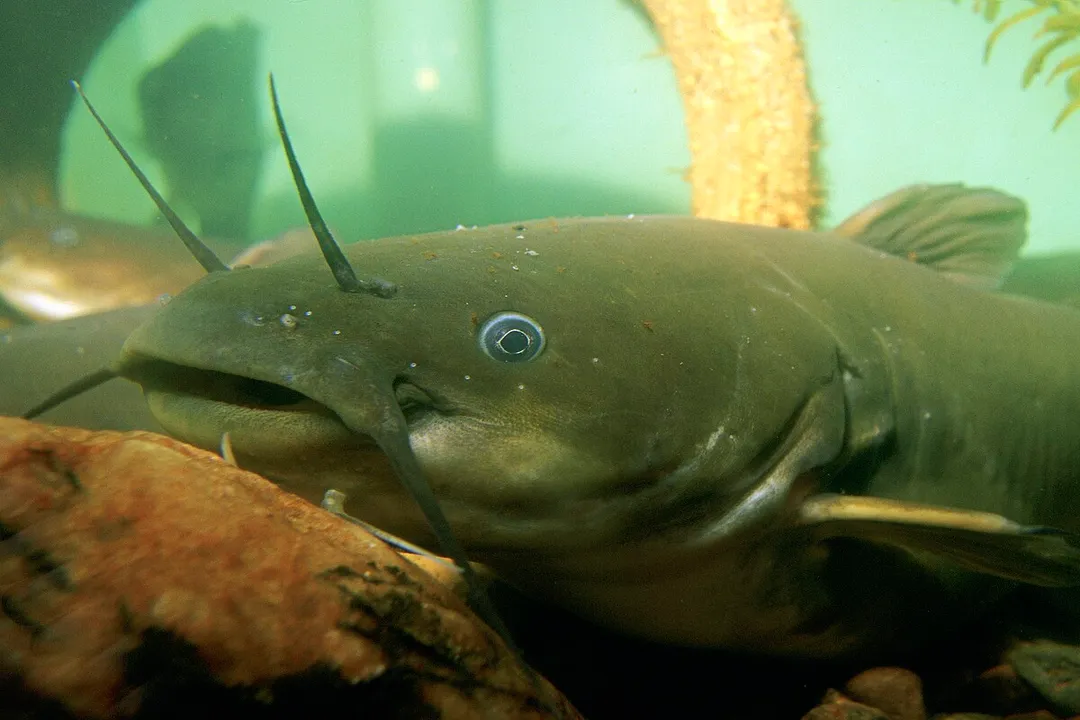
What specific physiological tolerance allows *A. natalis* to persist in warm summer ponds experiencing stress?
Remarkable tolerance for low dissolved oxygen levels, or hypoxia
A cornerstone of the Yellow Bullhead's survival strategy in marginal aquatic habitats is its profound physiological robustness regarding water quality. Specifically, *A. natalis* demonstrates a marked tolerance for hypoxia, which describes critically low concentrations of dissolved oxygen. This capability is vital in warm, shallow water bodies, such as summer ponds, where high temperatures dramatically reduce the water's capacity to hold oxygen. While more sensitive fish species are forced to seek limited deeper refuge areas or perish, the Yellow Bullhead can remain active, suggesting a highly efficient metabolic strategy for scarce oxygen conditions, allowing it to exploit environments others cannot.