Western Lowland Gorilla Facts
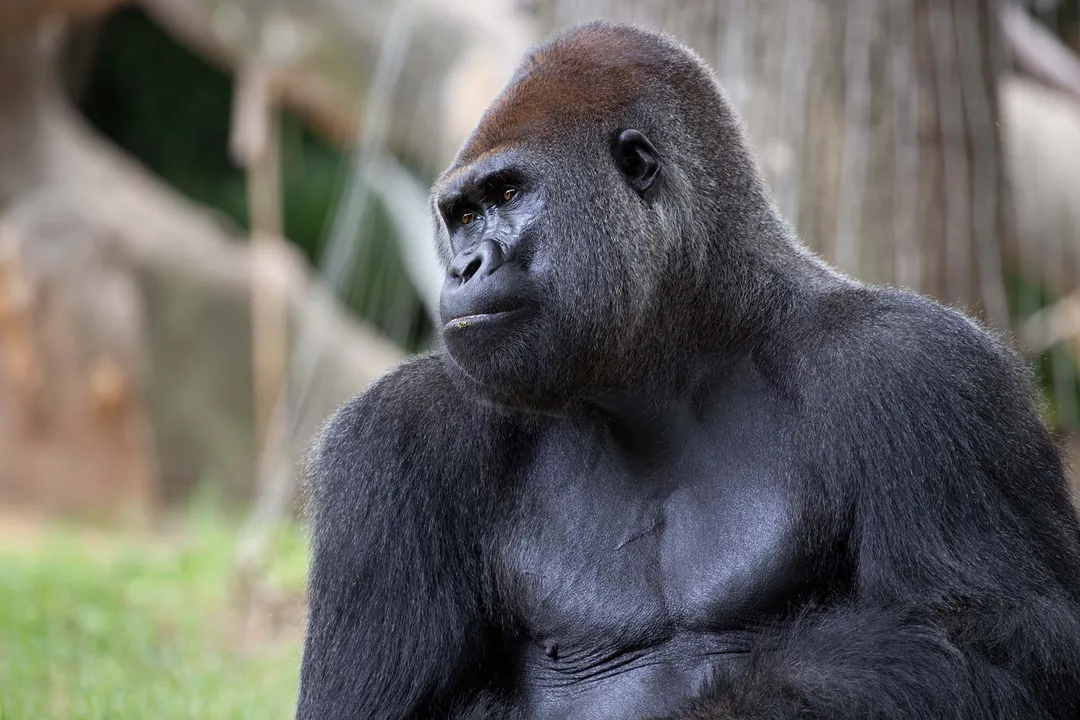
The Western lowland gorilla, scientifically known as Gorilla gorilla gorilla, represents the most numerous and widely distributed subspecies of gorilla, yet they remain facing significant threats across their range in Central Africa. [5] These magnificent primates share their world with the eastern gorilla subspecies, but they possess distinct physical and behavioral characteristics that set them apart within the great ape family. [5] Understanding this particular gorilla subspecies requires a look at where they live, how they interact, and the precarious position they currently occupy in the wild. [2][3]
# Range Location
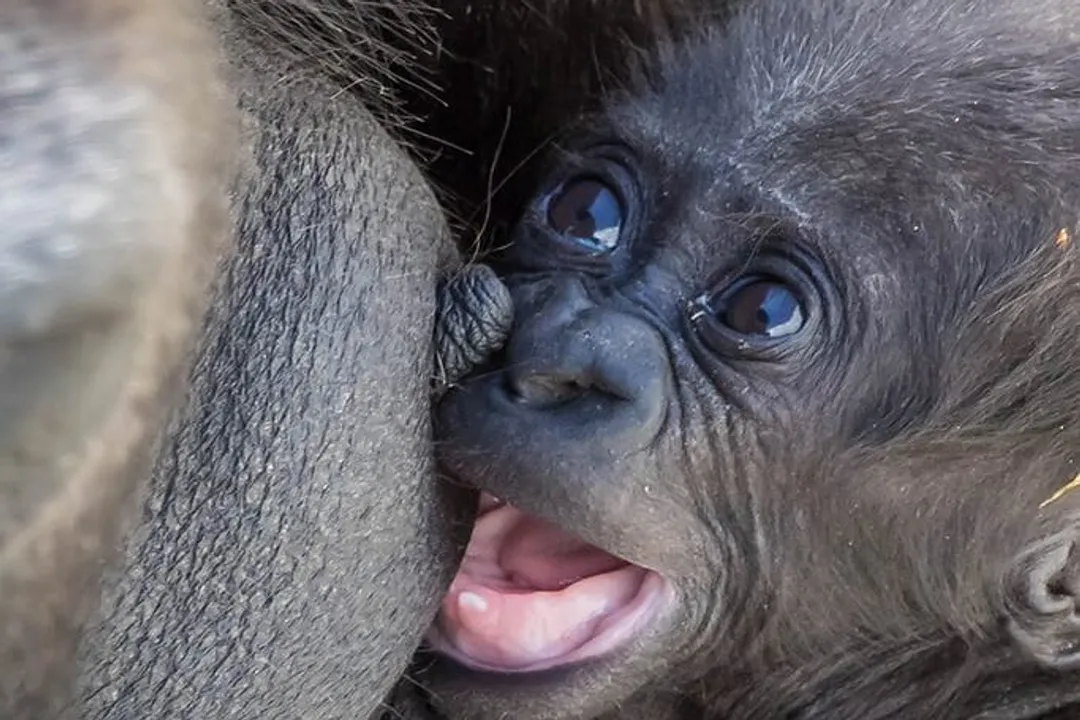
These gorillas make their home in the dense, tropical lowland forests that stretch across several nations in west-central Africa. [3] Specifically, their distribution includes countries such as Cameroon, the Central African Republic, Equatorial Guinea, Gabon, the Republic of the Congo, and a small area in Angola. [5] The primary habitat preference leans towards lowland tropical forests, though they are adaptable enough to inhabit primary and secondary growth forests, as well as swamp forests. [1][4] It is worth noting that while they are the most widespread, their populations are fragmented across this vast area, living in pockets separated by human activity or natural barriers. [2]
# Physical Structure
Western lowland gorillas are the largest living primates on Earth. [5] A striking feature of the species is the pronounced sexual dimorphism; adult males are significantly larger and heavier than females. [4] Adult males, often referred to as silverbacks due to the saddle of silvery-white hair that develops on their backs as they mature, can reach impressive sizes. [1][4][5] While specific measurements can vary based on location and source, a mature male can weigh around 150 to 200 kilograms (about 330 to 440 pounds) and stand up to 5.6 feet tall when standing upright, though they typically move using knuckle-walking. [4][5] Females are substantially smaller, often weighing less than half as much as the dominant males. [4] Their fur tends to be lighter and browner in tone compared to their eastern cousins. [5] Their powerful build is evident in their strong arms and large hands, perfectly adapted for navigating the forest floor and manipulating vegetation. [1]
# Group Life
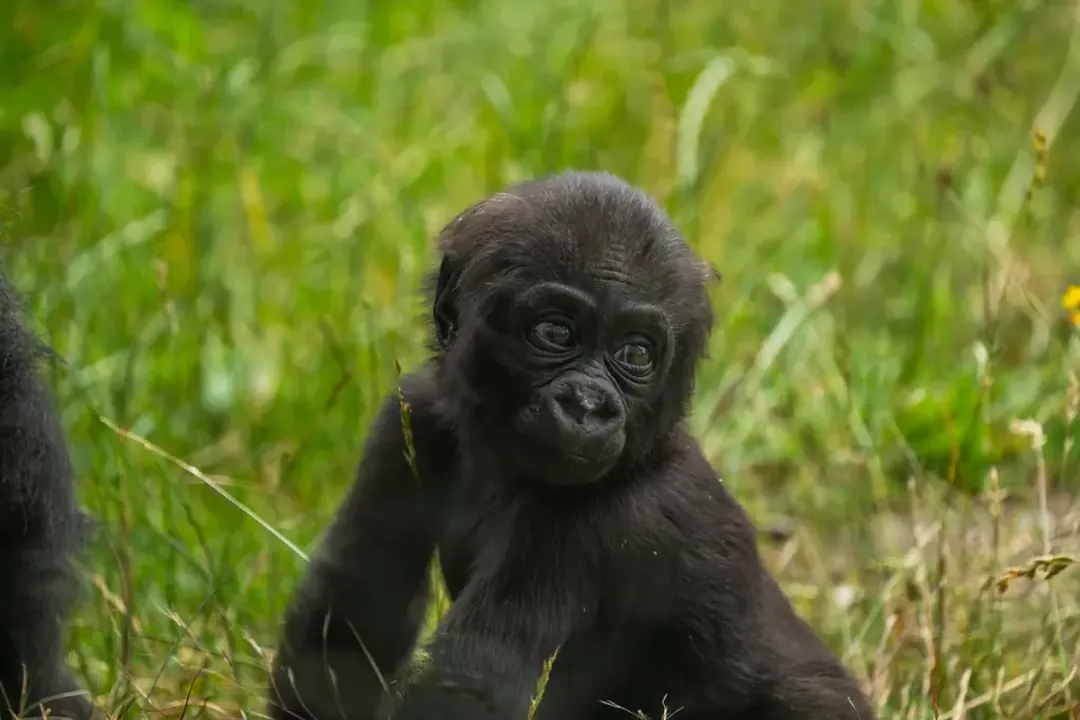
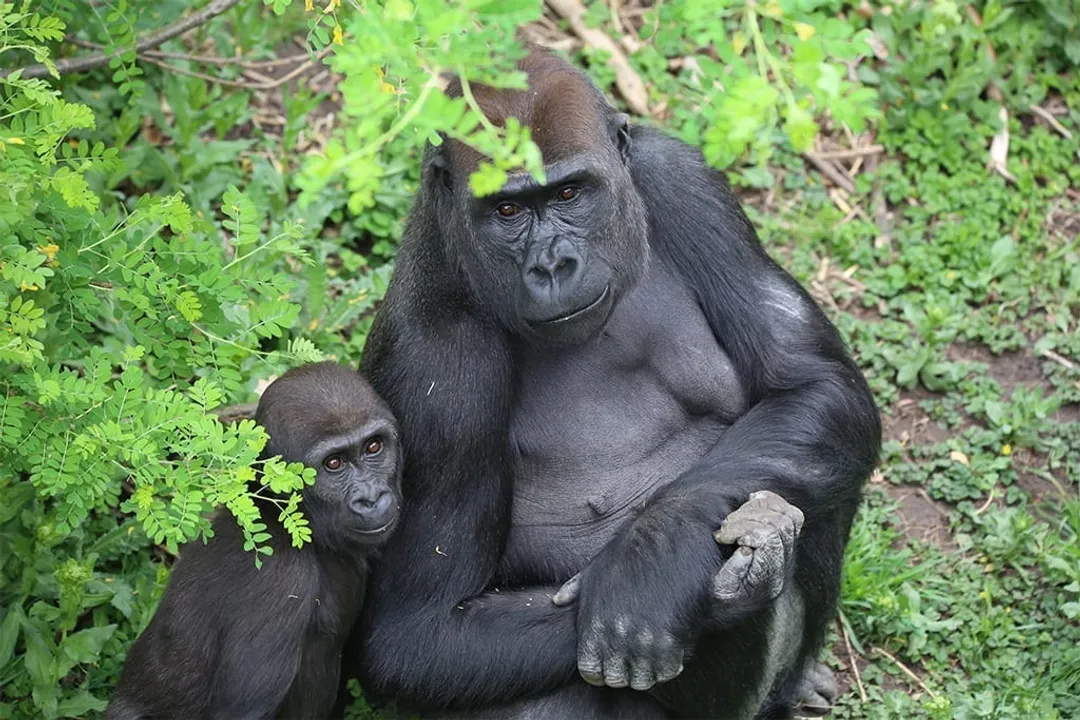
Gorillas are highly social animals, living in cohesive family units typically referred to as troops or harems. [1][4] The structure of these groups is strongly hierarchical, centered around a dominant silverback. [1][5] This silverback is usually the oldest and most experienced male, responsible for leading the group, ensuring its safety, and making key decisions regarding foraging routes and resting spots. [1] A typical troop size can fluctuate widely, sometimes encompassing just a few individuals up to perhaps 30 members, usually comprising the silverback, several females, and their offspring. [1][4] Females and their young often stay with the group for many years, though young adult females may disperse to join another group or an unattached male to start a new one. [4] The silverback’s role is one of a protector; he mediates disputes within the group and is the first line of defense against outside threats. [1] It is fascinating to observe that while the chest-beating display is synonymous with male gorillas, it is often a form of non-violent assertion—a loud, attention-grabbing signal meant to deter potential conflict rather than initiate one, a critical distinction for understanding their social peacekeeping efforts. [4]
# Diet
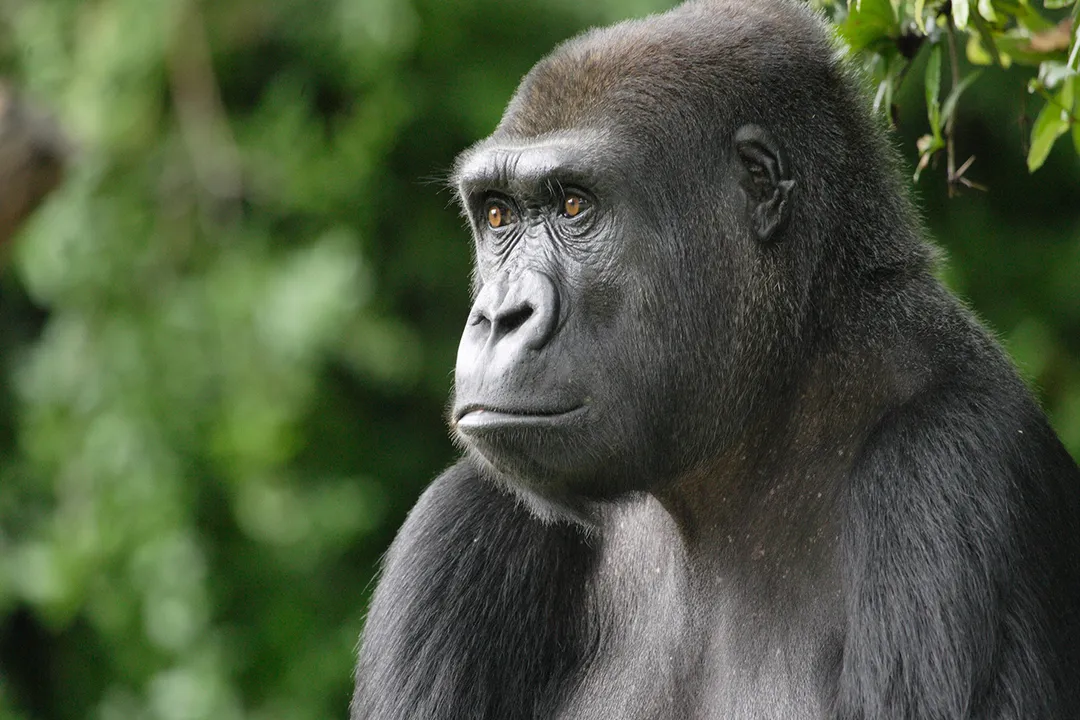
The diet of the Western lowland gorilla is predominantly herbivorous, making them primarily frugivores (fruit-eaters), though they consume a wide variety of plant matter. [1][4] Their primary food sources include fruits, leaves, stems, and seeds. [5] However, their consumption isn't limited to plants; they are known to supplement their intake with small insects like ants and termites. [4] Diet composition is not static; it shifts significantly depending on the season and the local availability of food sources. [5] During periods when preferred fruits are scarce, they increase their consumption of leaves and pith, requiring more time spent foraging on less energy-dense material. [5] This dietary flexibility, leaning heavily on the resources found in the dense forest understory, is key to their survival across varied forest types. [1] An interesting point for conservation planning is recognizing the sheer volume of vegetation a large group needs to process daily; while exact figures are rare, an adult gorilla might spend six to eight hours a day feeding, consuming hundreds of pounds of vegetation over a year just to maintain its bulk, meaning large, contiguous tracts of healthy forest are non-negotiable for their survival. [1][4]
# Daily Routine
Western lowland gorillas are primarily terrestrial, spending most of their time on the forest floor, though they are capable climbers, especially the younger individuals. [1][4] They generally wake early and begin foraging shortly after sunrise. [4] Their day revolves around eating, traveling short distances in search of new food patches, and resting during the hottest parts of the day. [4] As evening approaches, the troop prepares for the night. Unlike chimpanzees that build nests high in trees, gorillas generally construct their sleeping nests on the ground or very low in the vegetation. [1][4] These nests are built by bending and weaving branches and leaves into a secure, albeit temporary, bed for the night. [4] Despite their intimidating size and occasional displays, they are generally considered shy and gentle animals, preferring to avoid confrontation with humans. [1][4] Communication within the group involves a range of vocalizations, scent marking, and physical gestures. [4]
# Conservation Crisis
Despite their relative abundance compared to eastern gorillas, the Western lowland gorilla is classified as Critically Endangered on the IUCN Red List. [2][3][5] Population figures are difficult to ascertain accurately due to their remote habitat, but estimates suggest a massive decline in recent decades. [2] One major factor driving this decline is poaching, primarily for the bushmeat trade, which is driven both by local consumption and illegal international markets. [2][3]
Another devastating blow to the species has been the outbreak of diseases, most notably the Ebola virus. [2][3] Gorillas are highly susceptible to Ebola, and outbreaks in Central Africa have decimated entire populations in localized areas. [2] Furthermore, their environment is shrinking rapidly. [3] Habitat loss due to logging operations, agricultural expansion, and mining activities fragments their forest homes, isolating small groups and increasing their vulnerability to other threats. [2][3] When thinking about conservation action, it is crucial to see these threats not in isolation but as a compounding effect; a group weakened by habitat fragmentation is much less able to recover from a localized poaching incident or a disease outbreak. [3] Supporting organizations that work on anti-poaching patrols and local community engagement regarding sustainable land use can directly impact the survival rate of these animals in their home territories. [2]
# Key Attributes Summary
To summarize the distinct characteristics of this gorilla subspecies, a comparative look at key facts is useful:
| Feature | Western Lowland Gorilla (G. g. gorilla) | Notes |
|---|---|---|
| Status | Critically Endangered [2][3] | Population declining rapidly [2] |
| Primary Habitat | Lowland Tropical Forests, Swamp Forests [1][4] | Adaptable to primary and secondary growth [4] |
| Diet Focus | Fruits, leaves, stems (Frugivore/Folivore) [1][5] | Includes small invertebrates [4] |
| Social Unit | Troop/Harem led by Silverback [1][5] | Highly structured family groups [4] |
| Nesting | Ground nests constructed nightly [1][4] | Low to the forest floor [4] |
The intelligence and complex social lives of these animals mean that simply setting aside forest land is not always enough; they require large, connected areas where human encroachment is strictly managed to maintain the integrity of their social units and foraging patterns. [3] Protecting the forest is protecting the entire social structure that allows them to thrive, or at least persist, in the face of overwhelming external pressures. [2]
Related Questions
#Citations
Western lowland gorilla - National Zoo
Facts about the western lowland gorilla - IFAW
Western Lowland Gorilla | World Wildlife Fund
Western Lowland Gorilla Facts and Information - Seaworld.org
Western lowland gorilla - Wikipedia
Western lowland gorilla | London Zoo
Western Lowland Gorilla - Denver Zoo Conservation Alliance
Western Lowland Gorilla Population
Western Lowland Gorilla - Zoo Atlanta
Western lowland gorilla, facts and photos | National Geographic