When are nymphs of Ixodes pacificus most commonly encountered by humans due to peak activity?
Answer
During late spring and early summer.
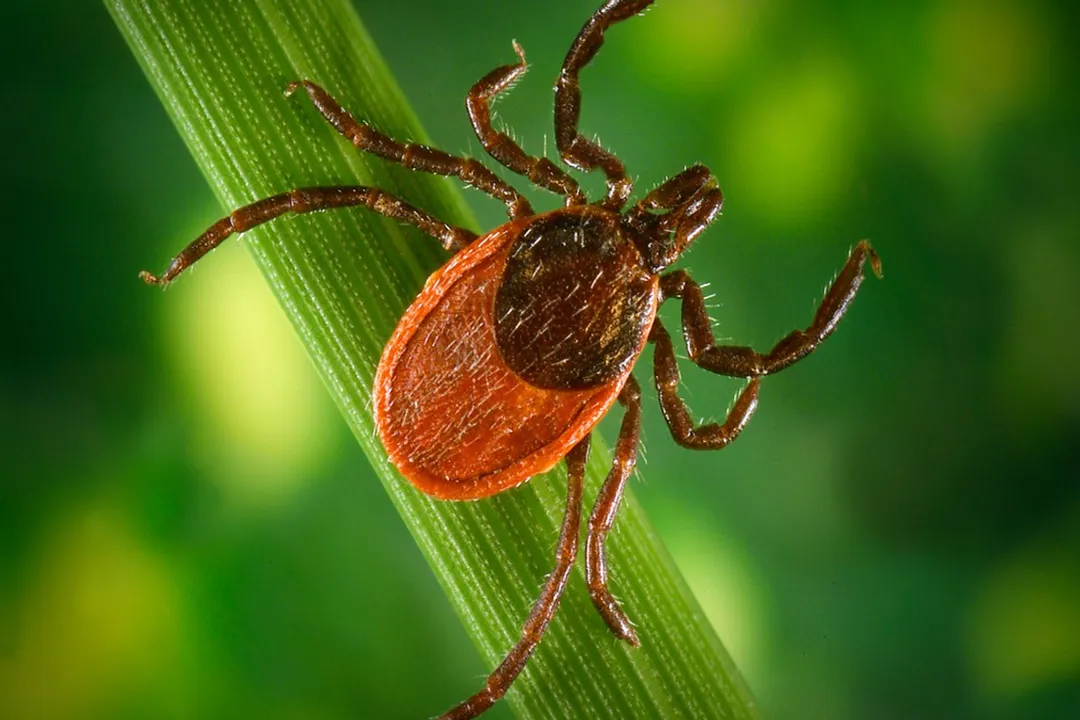
The nymphal stage of the Western Blacklegged Tick is identified as the most frequent point of contact for humans and pets. This increased encounter rate is attributable to two main factors: their extremely small size makes them easy to overlook during checks, and their active period coincides directly with peak human outdoor activity. This overlapping period is specifically identified as late spring and early summer, making vigilant checking crucial during these warmer months before they molt into the adult stage, which typically feeds during cooler seasons.
Related Questions
How is the adult female Western Blacklegged Tick, Ixodes pacificus, visually distinguished?Which pathogen transmitted by I. pacificus can lead to severe neurological disease like encephalitis or meningitis?What difference exists between the leg count of Ixodes pacificus nymphs and adults?What is the primary role of the Western Fence Lizard regarding Lyme disease bacteria carried by I. pacificus?Which landscape strategy is recommended over frequent mowing for I. pacificus control in coastal scrub habitats?What is the approximate duration of the life cycle for the Western Blacklegged Tick?What specific repellent is advised for treating clothing and gear before entering I. pacificus endemic areas?When are nymphs of Ixodes pacificus most commonly encountered by humans due to peak activity?What two primary pathogens, besides Lyme disease, are associated with the Western Blacklegged Tick?Where along the Pacific Coast is the geographic distribution of Ixodes pacificus concentrated?