What is a fundamental preventative care measure to protect active colonies from adult female moths?
Answer
Sealing potential entry points like cracks and crevices
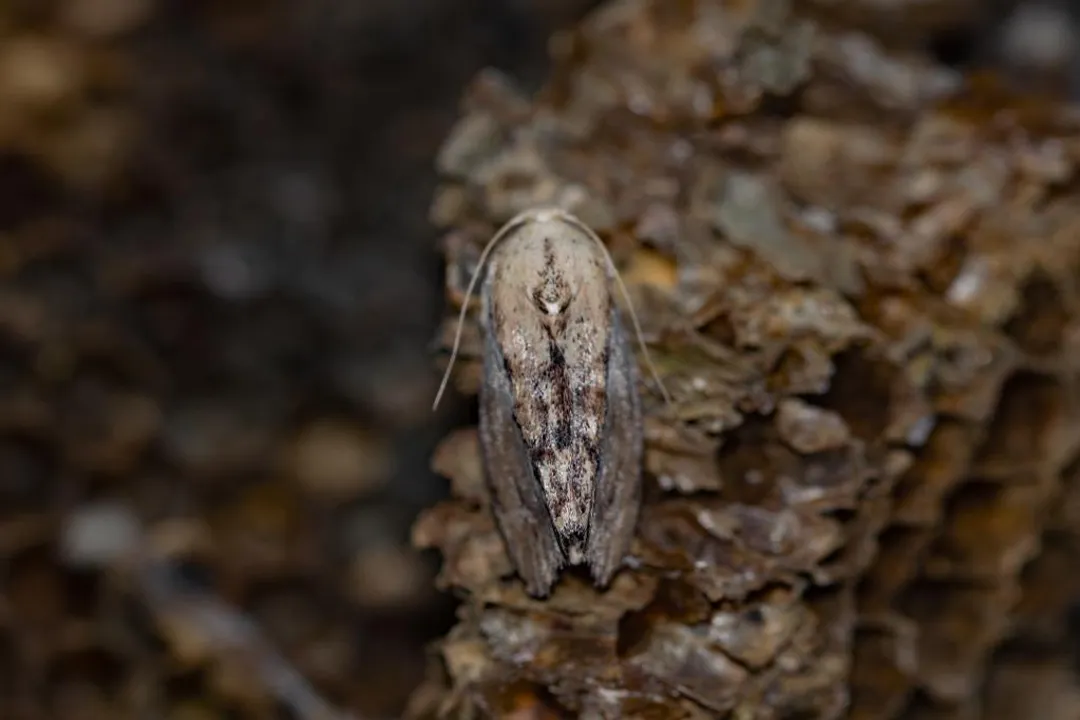
Adult female wax moths target active colonies primarily to deposit egg clusters, and they do so in discrete locations within the hive structure where the eggs are protected from the guard bees. These preferred spots are small cracks and crevices found in the wood or joints of the hive. Consequently, a fundamental aspect of preventative management is the physical inspection and sealing of these potential entry points. By eliminating accessible hiding spots during the day or places to deposit eggs that are out of reach of the bees’ defensive actions, beekeepers significantly restrict the initial establishment of an infestation within the living colony.
Related Questions
Where was the greater wax moth, Galleria mellonella, first documented as a pest?What temperature range represents the optimal developmental temperatures for Galleria mellonella?Which wax moth species poses the higher structural risk to woodenware components like hive walls?In which location do wax moths generally cause their most catastrophic damage?What food source preference dictates where larvae cause significant damage in stored supers?What is a fundamental preventative care measure to protect active colonies from adult female moths?How does the climate in the Southern U.S. influence the speed of wax moth infestation development?What is the reported size range for egg clusters commonly noted in India?What consequence results from larvae spinning cocoons into wooden hive components?If a beekeeper finds active wax moth larvae destroying comb in a living hive, what is the primary issue to inspect?