In which location do wax moths generally cause their most catastrophic damage?
Answer
Stored beekeeping equipment
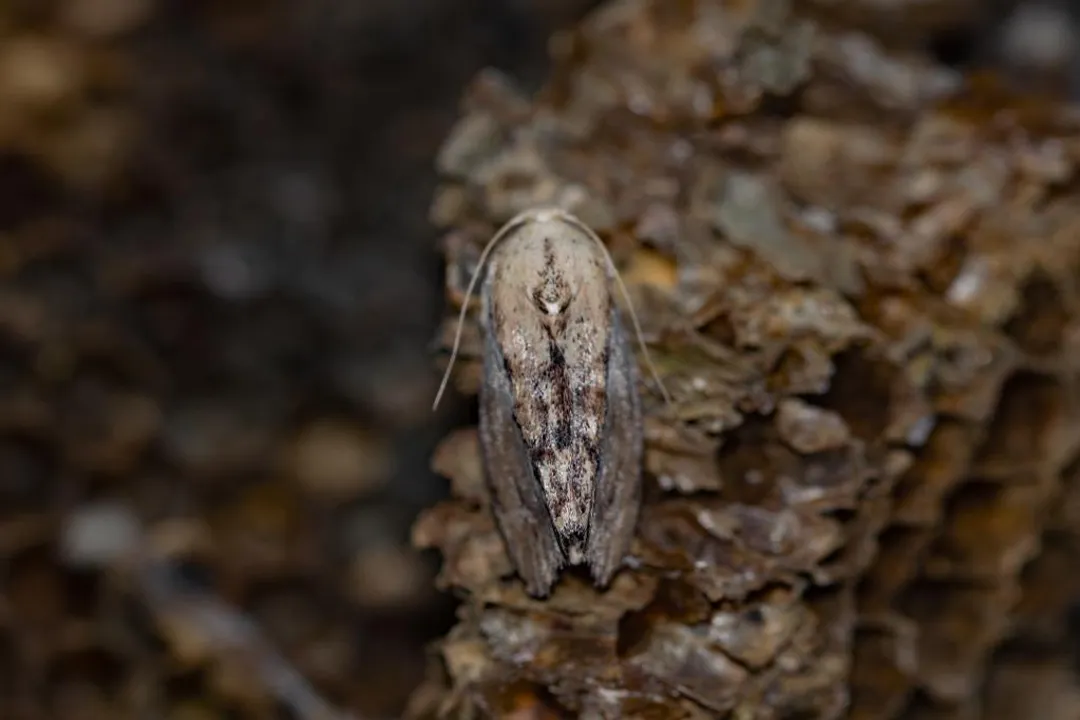
The most devastating impact of the wax moth infestation occurs when beekeeping equipment, particularly supers containing valuable used brood comb, is left out of the hive and placed in storage. This environment inherently provides the ideal conditions for the pest: darkness, warmth, and a complete absence of defensive bee activity. Unlike an active colony where worker bees identify and eject larvae, stored supers offer an unattended feast. The larvae exploit this vulnerability, accelerating their lifecycle and completing multiple generations rapidly, leading to severe material degradation where the comb has been consumed.
Related Questions
Where was the greater wax moth, Galleria mellonella, first documented as a pest?What temperature range represents the optimal developmental temperatures for Galleria mellonella?Which wax moth species poses the higher structural risk to woodenware components like hive walls?In which location do wax moths generally cause their most catastrophic damage?What food source preference dictates where larvae cause significant damage in stored supers?What is a fundamental preventative care measure to protect active colonies from adult female moths?How does the climate in the Southern U.S. influence the speed of wax moth infestation development?What is the reported size range for egg clusters commonly noted in India?What consequence results from larvae spinning cocoons into wooden hive components?If a beekeeper finds active wax moth larvae destroying comb in a living hive, what is the primary issue to inspect?