What two major plant groups formed the bulk of the woolly mammoth's caloric intake?
Answer
Grasses and sedges
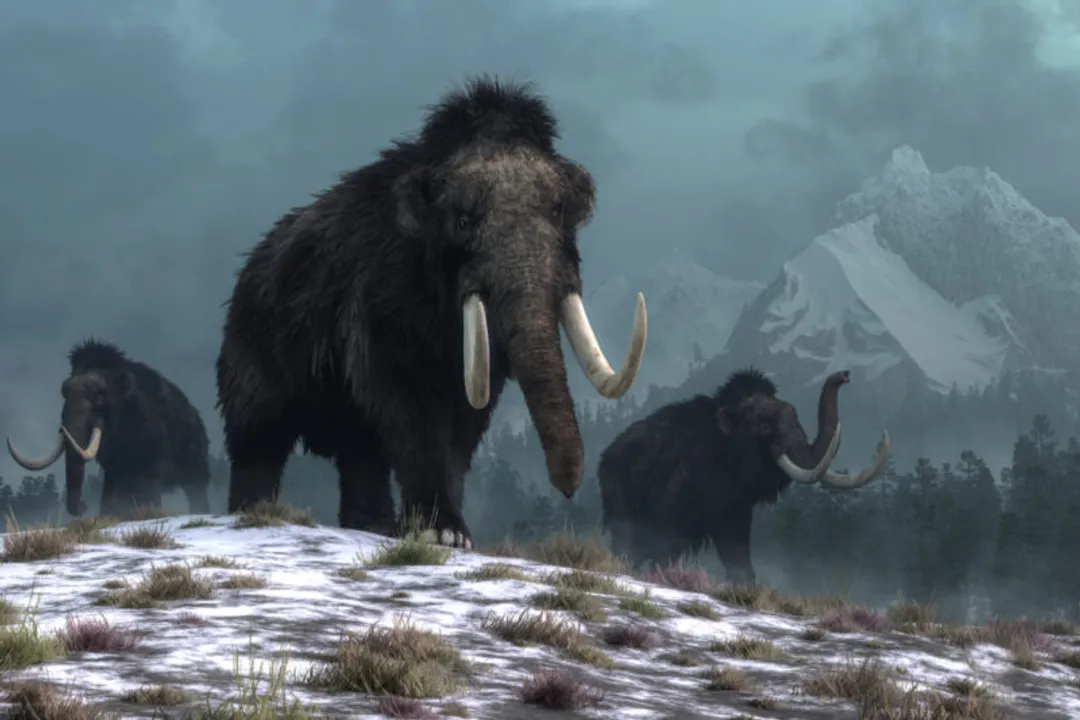
The diet of the woolly mammoth was highly specialized, relying overwhelmingly on specific types of low-growing vegetation found in the Mammoth Steppe. The primary components identified through extensive analysis of fossil evidence were grasses, scientifically known as *Poaceae*, and sedges, scientifically known as *Cyperaceae*. These two categories provided the vast majority of the necessary energy and bulk food required to sustain their enormous body mass across the cold Pleistocene landscapes. While other plants were consumed, the structural foundation of their caloric intake rested upon these fibrous, abundant grassland species.
#Videos
What did Mammoths and Mastodons eat? - YouTube
Related Questions
What two major plant groups formed the bulk of the woolly mammoth's caloric intake?What specific environmental feature was crucial to sustaining the woolly mammoth's diet?What fossil evidence provided a high degree of certainty regarding the woolly mammoth's diet via DNA analysis?What approximate daily consumption rate was necessary for an adult woolly mammoth to meet its energy needs?What term describes the severe resource limitation mammoths faced when the Mammoth Steppe transitioned to forests?What herbaceous flowering plants, other than grasses and sedges, contributed to the mammoth's diet?How did the ancient DNA sequencing technique fundamentally change the understanding of the mammoth's feeding strategy?Which characteristic of the Mammoth Steppe environment favored grasses and forbs over taller woody vegetation?How did the woolly mammoth's feeding tools differ from those of a modern large browser like the African elephant?When was woody vegetation likely consumed by woolly mammoths according to DNA analysis?