Woolly Bear Caterpillar Diet
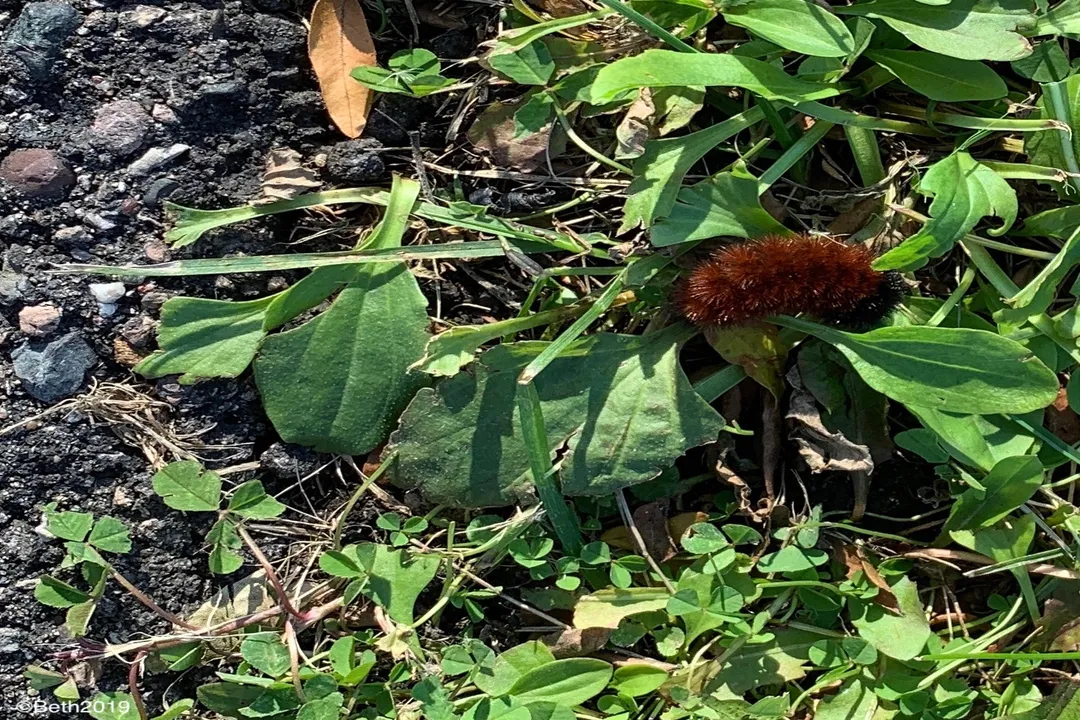
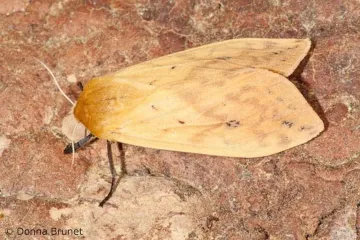
The fuzzy, banded caterpillar so many people encounter in the autumn months is instantly recognizable, often sparking curiosity about its survival tactics and, of course, what exactly fuels its fuzzy body. While commonly referred to as "woolly bears" or "woolly worms," these larvae are best known as the Pyrrharctia isabella, or Banded Woolly Bear, which eventually emerges as the Isabella Tiger Moth. [4] Their dietary habits are generally quite accommodating, particularly for those who find one and wish to observe its life cycle; they are famously flexible eaters, unlike some caterpillars with highly restricted host plant requirements. [2]
# Preferred Foraging

For the familiar Banded Woolly Bear, the diet consists primarily of low-growing, broad-leafed plants readily found in lawns, fields, and disturbed areas. [2] This generalist approach is what makes them such common sights across North America. [2] A staple in their natural menu includes common "weeds" that many gardeners might overlook or try to eradicate.
Specific favored wild plants frequently mentioned include:
- Dandelion greens. [1][2][4]
- Clover. [2][4]
- Plantain. [1][2]
- Burdock. [1][2]
- Goldenrod. [1]
- Violets. [2]
- Nettles. [2]
- Yellow Dock and Curly Dock. [2]
In the absence of these preferred broadleaf options, they are known to turn to grasses and grains, but only when these plants are in their leafy, green stage; dried matter like harvested grain kernels is generally not consumed. [2][1] Some keepers have successfully offered sunflowers, garden herbs, spinach, and cabbage when preferred wild forage is scarce, especially as winter approaches and green growth wanes. [2]
# Species Variation
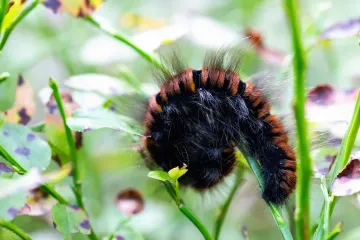
It is important to remember that the term "woolly bear" applies to over 260 species in North America, and while the Banded Woolly Bear is flexible, other tiger moth caterpillars have surprisingly specific needs. [4] If you encounter a fuzzy caterpillar that isn't the typical black-and-orange P. isabella, its food source might be entirely different. For instance, research on species found near Santa Barbara suggests stark dietary divergence:
- The caterpillar for the Edward's Glassy Wing Tiger Moth specifically requires oak leaves. [3]
- Caterpillars of the Spotted Tiger Moth seek out sycamore and willow leaves. [3]
- Other species, such as the Mexican, Ornate, Painted, and Vestal Tiger Moths, show a preference for nasturtium, various mustards, and specific vines like vetch and wild cucumber vine, alongside sunflowers. [3]
The Acrea Tiger Moth caterpillar, however, appears to be the most indiscriminate eater among this group, reportedly consuming most plants found in a field or garden. [3] This highlights a key consideration: if you find a woolly bear and don't know the exact species, offering a variety of local, low-growing, leaf-bearing plants is a better starting point than focusing on just one type. [3]
# Sustenance Management
When caring for a caterpillar, the routine of feeding is as important as the menu itself. Caterpillars require fresh leaves daily, and observers should plan to clean out the pellet-like droppings, or frass, regularly to maintain a clean environment. [1][3] They are most active at night, so checking their consumption level in the morning is the best gauge of their appetite. [3]
As the cool temperatures of late autumn set in, you will notice a distinct shift: the caterpillar will eat less, become sluggish, and seek deep shelter before entering quiescence, or hibernation. [2][1] If the caterpillar is preparing for this long rest, it’s vital to provide it with dry leaf litter, twigs, and bark so it has material to burrow under. [1][2] Once this transition occurs, daily feeding becomes unnecessary, though periodic checks are still advised, especially if there are unseasonably warm spells that might rouse the larva for a quick snack. [1]
One practical way to manage fresh food supply, particularly during the shoulder seasons, is to keep a small supply of preferred greens—like dandelions or clover—in a jar of water, covered with a plastic bag, and stored in the refrigerator. [3] This preserves freshness, though the leaves should be checked for excessive wilting before offering them. It’s worth noting that while many people assume these creatures need a separate water source, they actually derive sufficient moisture directly from the leaves they consume. [3] If you do offer water, it must be done cautiously; a shallow cap can work, but a dish poses a significant drowning risk, as the fuzzy bodies can easily become trapped. [2][1]
A point of frequent confusion, particularly for newcomers raising these insects, involves non-plant matter. It is strongly advised not to feed woolly bears insects or other animal matter. [2] Additionally, while one anecdotal account mentioned a caterpillar enjoying a banana, relying on sugary fruit or common vegetables like romaine lettuce should be reserved for emergency, short-term feeding only, as the primary nutritional needs are best met by their natural, fibrous greens. [2][3]
# Substrate and Moisture Balance
While the diet provides necessary nutrition and hydration, the substrate in the habitat plays an indirect but important role in the caterpillar's overall well-being, especially regarding moisture regulation. If you are keeping the caterpillar indoors or observing it through winter, the temptation might be to use only paper towels for easy cleanup, as some guides suggest. [1][3] However, providing a layer of natural debris—dead leaves, small sticks, and bark—offers more than just a hiding spot for daytime rest or hibernation. [1][3] This layer helps maintain a more consistent humidity level near the ground, mimicking the natural leaf litter layer where they thrive. If the container becomes too wet without adequate air circulation, the environment can quickly become overly damp, which is detrimental. Conversely, if it gets too dry, the caterpillar might dry out before you notice, even if you mist the leaves. [2] Finding that balance, often by placing the entire container outside in a sheltered, unheated spot like a garage, allows the caterpillar to experience the necessary cooling temperatures to trigger proper hibernation, which is essential for their annual cycle. [1]
# Adult Food Needs
The story of the diet doesn't end with the caterpillar. Once the larva pupates and the Isabella Tiger Moth emerges, its feeding requirements change drastically. There is some disagreement in popular resources regarding adult moth feeding; some suggest they emerge without functional mouthparts, while others indicate they feed on nectar. [2] If they do feed, it is for a very short period—only a week or two—as their entire adult existence is dedicated to mating and laying the next generation of eggs before they perish. [2] Should one emerge indoors, fresh nectar flowers should be provided temporarily, but the moth's lifespan is brief compared to the many months spent as a caterpillar. [1]
Related Questions
#Citations
[PDF] An Educator's Guide How to Raise Wooly Bear Caterpillars
How to raise woolly bear caterpillars - Farm and Dairy
Help! We adoped a wooly bear caterpilar : r/moths - Reddit
Learn EVERYTHING you need to know about Wooly Bear ...
Wooly Bear Caterpillars | Nature, Garden, Life
[PDF] How to Care for a “Bear” - Cambridge Butterfly Conservatory