Woolly Mammoth Diet
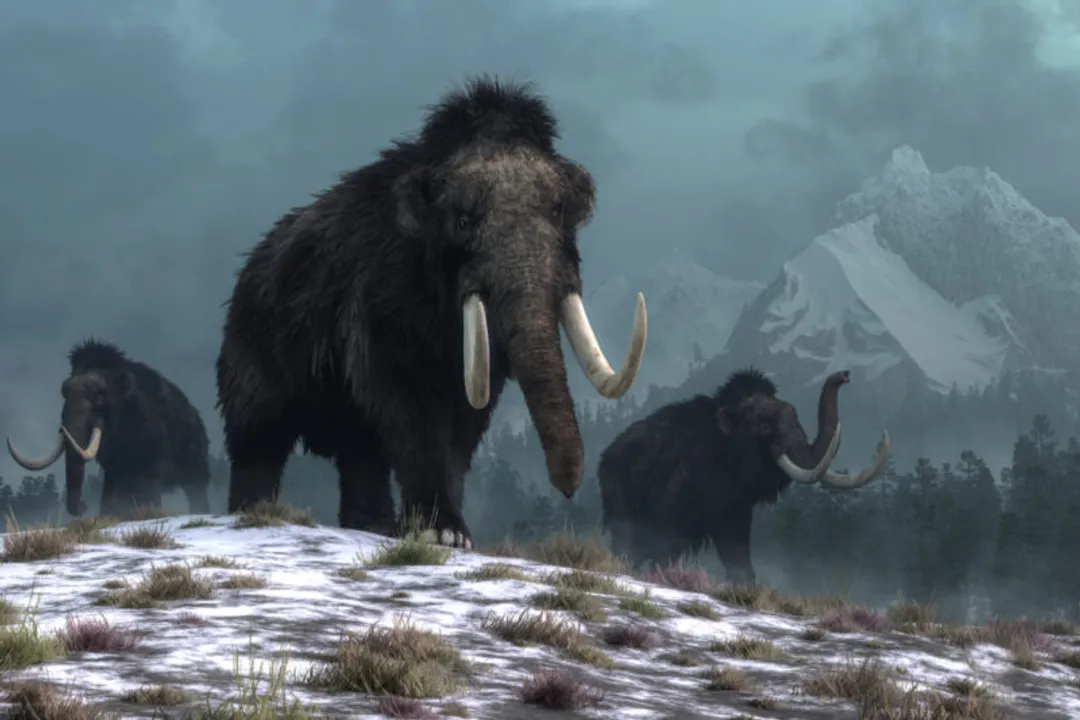
The colossal form of the woolly mammoth, an icon of the Ice Age, required an equally colossal amount of fuel to sustain its massive body across the frigid landscapes it inhabited. [1][9] Far from being indiscriminate eaters, these giants were highly adapted grazers whose diet dictated where and how they survived for millennia. [3] Their sustenance was intrinsically tied to the vast, cold grasslands known as the Mammoth Steppe, an environment fundamentally different from the patchy forests and tundras seen in many parts of the world today. [1][5]
# Grasses Sedges
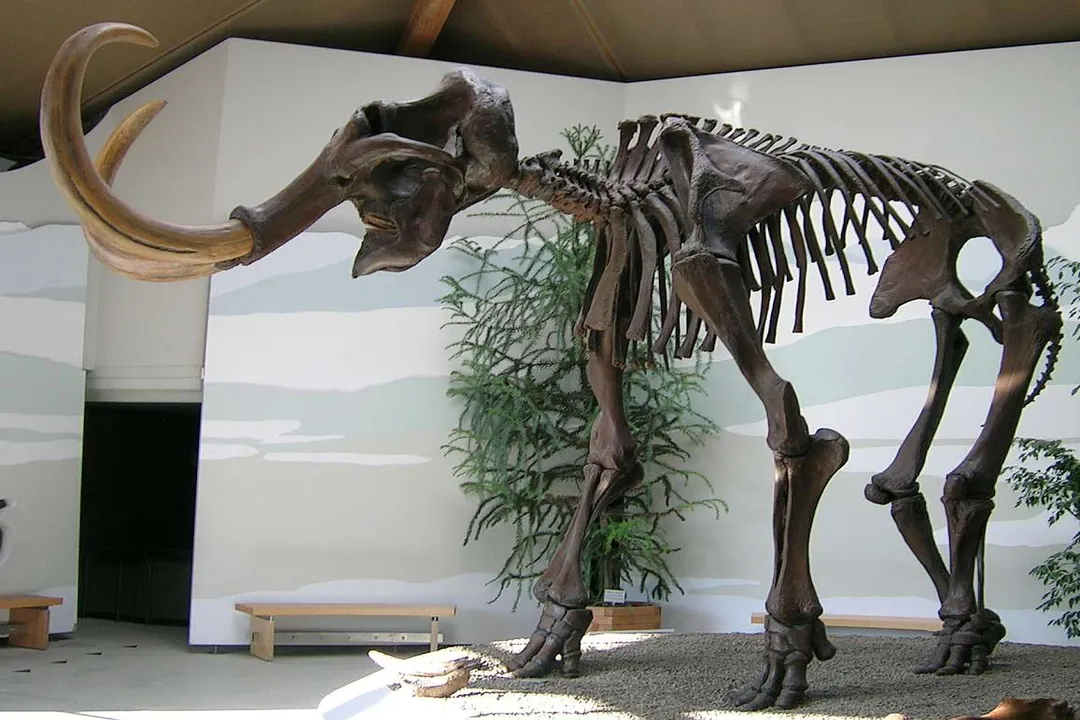
The overwhelming consensus from fossil evidence and genetic analysis points to a diet dominated by specific types of low-growing vegetation. Woolly mammoths relied heavily on grasses and sedges. [1][3][5] These plants, categorized scientifically as Poaceae (grasses) and Cyperaceae (sedges), formed the bulk of their caloric intake. [5] Beyond these two main groups, mammoths also consumed a significant amount of forbs, which are herbaceous flowering plants that aren't grasses or trees. [3][9]
While grasses and sedges were the staple, the environment was not entirely devoid of woody matter. Studies have detected DNA traces from woody plants in ancient mammoth dung, indicating they were occasionally browsed or eaten, likely when preferred forage was scarce, such as during deep winter months. [5] However, compared to the primary components, the contribution from shrubs or trees was notably smaller. [3][5] This dietary focus meant that the woolly mammoth was a specialized grazer, much like modern bison or wildebeest, rather than a mixed feeder like the modern African elephant, which incorporates more bark and leaves. [9]
# DNA Proof
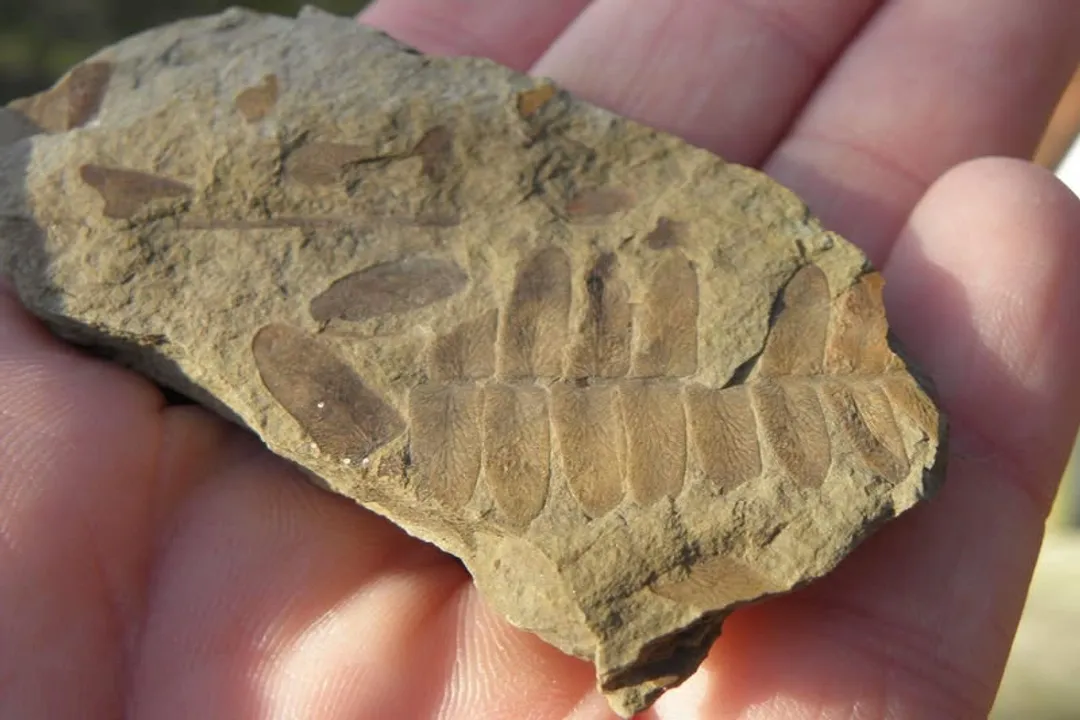
Understanding the precise make-up of an extinct animal's diet presents a significant challenge. Traditional methods often relied on wear patterns on teeth or fossilized stomach contents, which can be incomplete or misleading. [3] A major breakthrough in resolving the woolly mammoth diet puzzle came through the analysis of coprolites—fossilized feces—which preserve ancient DNA. [3][5]
Scientists were able to sequence the DNA within these well-preserved dung balls, providing a direct snapshot of what the animal had eaten just before defecation. [3] The results strongly corroborated the hypothesis that these animals were grass-dependent, showing high concentrations of grass and sedge DNA. [5] This modern technique offers a high degree of certainty, moving the understanding of their diet from educated guesswork to molecular evidence. [3] The fact that these DNA traces are so clearly dominated by Poaceae and Cyperaceae suggests a very consistent feeding strategy across different locations where samples have been found. [5]

# Massive Intake
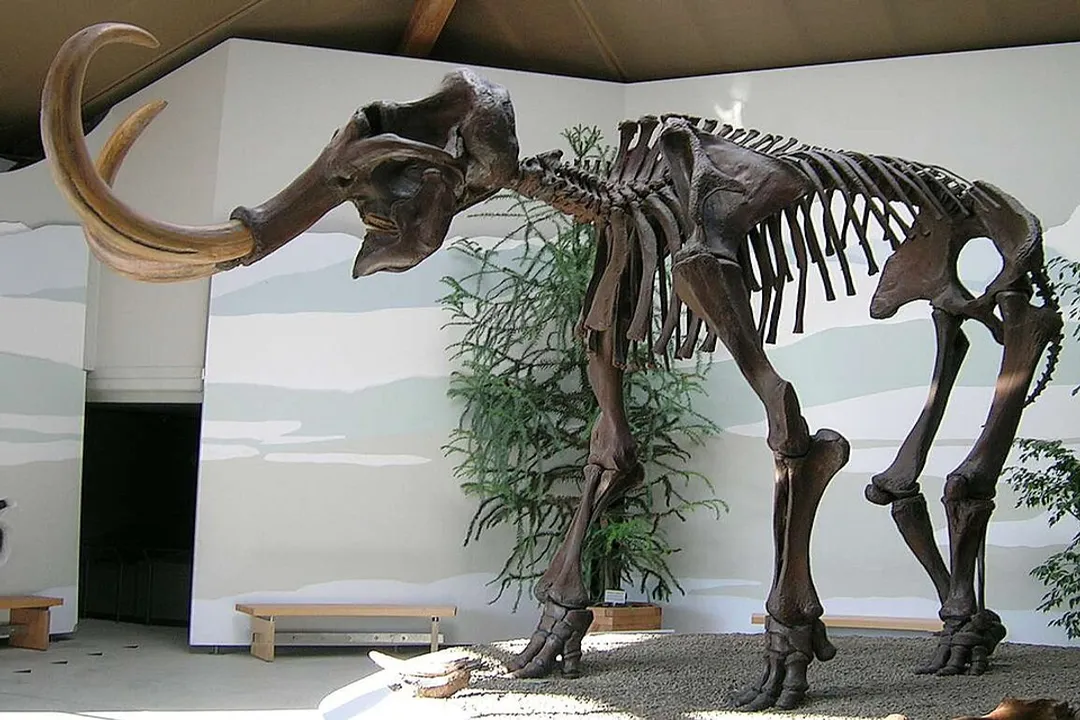
The sheer scale of the mammoth necessitated an equally massive consumption rate. A creature weighing several tons could not survive on a small salad; it needed volume. [3] Estimates suggest that an adult woolly mammoth would have needed to consume approximately 400 pounds of vegetation every single day to meet its energy requirements. [4]
To process this volume of tough, fibrous grass and sedge material, the mammoth needed specialized tools and behaviors. [4] Their most famous adaptation, the long, muscular trunk, was not just for reaching water or displaying dominance; it was a highly dexterous piece of equipment for foraging. [4] They used their trunks to grasp large clumps of grass and sedge mats, often stripping them from the ground effectively. [4] This efficiency in harvesting low-calorie, high-bulk food was key to supporting their massive size in the often harsh conditions of the Pleistocene. [3]
# Environmental Shift
The diet of the woolly mammoth was not just a characteristic; it was a requirement dictated by the existence of the Mammoth Steppe. [1] This biome was characterized by cold, dry, and windy conditions that favored low-growing, densely packed grasses and forbs over tall trees or dense shrubs. [2] The mammoth's entire physiology, including its enormous size and insulating fur, was tuned to thrive in this open, productive grassland environment. [9]
When considering the reasons for their eventual extinction, the relationship between diet and habitat becomes critical. While human predation undoubtedly played a role in some regions, [7] the widespread disappearance of the Mammoth Steppe environment itself presents a more systemic threat. [2] As climates warmed near the end of the Pleistocene, these vast, productive grasslands contracted, being replaced by less palatable and less dense boreal forests or marshy tundras. [2]
An interesting implication arises when comparing the mammoth’s grazing demands to the resources available in successor environments. If a mammoth required 400 pounds of low-nutrient, dense grass daily, the transition to a landscape dominated by sparser woody browse—which is harder to process and offers different nutrient profiles—would represent a severe caloric bottleneck. [4] It suggests that the shift in vegetation type, even without immediate, total loss of habitat, might have simply made maintaining their enormous body mass unsustainable, forcing populations into smaller, more vulnerable groups [Self-Analysis].
Furthermore, we can analyze the quality versus quantity trade-off inherent in their feeding strategy. Unlike large browsers today that can find high-energy leaves and nutrient-rich bark to meet their needs in wooded areas, the mammoth was locked into a system requiring constant, high-volume intake of relatively low-energy grasses. [3] This evolutionary specialization, while perfect for the Steppe, became an inflexibility when the Steppe disappeared [Self-Analysis]. Any new environment that could not support that specific density of grass and sedge simply could not support a mammoth, regardless of whether other vegetation existed. The grass was the infrastructure upon which the species was built.
#Videos
What did Mammoths and Mastodons eat? - YouTube
Related Questions
#Citations
Woolly mammoth - Wikipedia
What the h*ll were mammoths eating that caused their range to ...
What did the woolly mammoth eat? - BBC Science Focus Magazine
What Did Mammoths Eat?
Woolly mammoth diet mystery solved by DNA analysis | CBC News
North America Mammoths' Diet Study - Facebook
Woolly Mammoths Were the Favorite Meal Choice of Ancient ...
What did Mammoths and Mastodons eat? - YouTube
Woolly Mammoths: Characteristics, Habitat and Diet