How did the woolly mammoth's diet plasticity compare to the woolly rhino?
Answer
Mammoths were mixed feeders capable of shifting to browse.
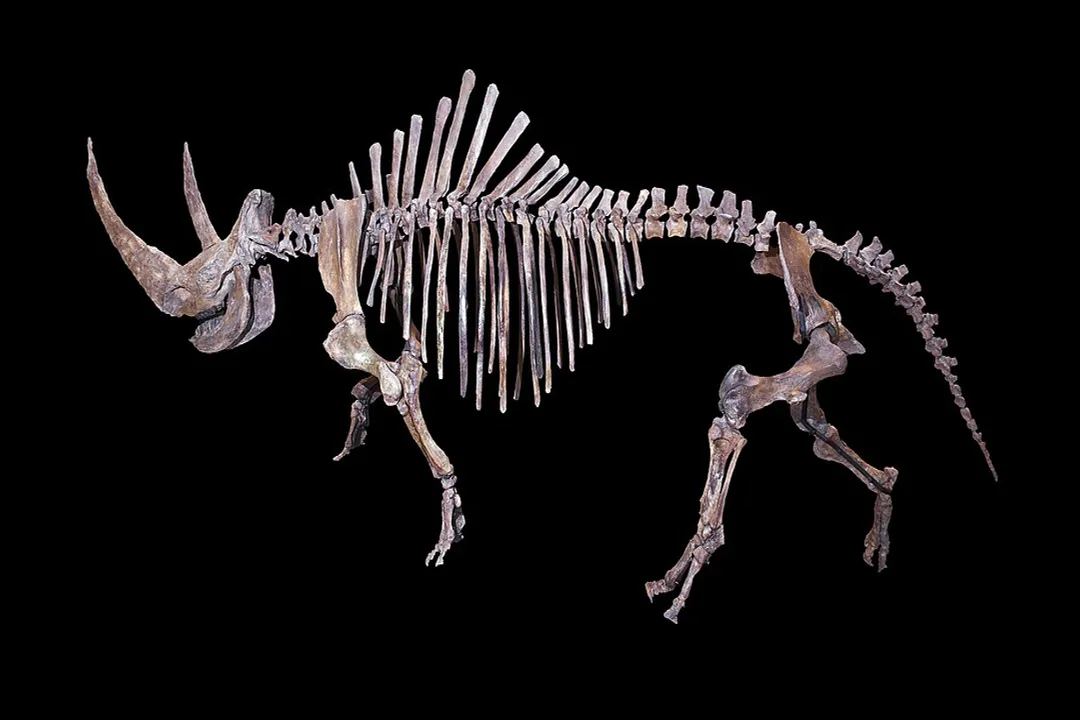
A key difference separating the woolly rhino from its famous cohabitant, the woolly mammoth, lies in dietary flexibility, or plasticity. The woolly rhino maintained a strict grazing habit. In contrast, the woolly mammoth demonstrated greater dietary plasticity, classifying it as a mixed feeder. This meant that when environmental conditions deteriorated, such as during harsh winters when grasses might be less accessible or nutritious, the mammoths possessed the capacity to shift their feeding focus more easily toward browsing on woody vegetation. This ability to incorporate browse allowed the mammoth a broader survival strategy compared to the rhino's specialization.
Related Questions
What feeding classification characterized Coelodonta antiquitatis?What two specific types of flora dominated the Coelodonta antiquitatis diet?What elements are analyzed via stable isotope analysis for rhino diet?What specific dental structure allowed the woolly rhino to grind tough material?Which non-woody perennial was regularly included in the rhino's intake?What was the typical body mass range for the massive woolly rhino?How did the woolly mammoth's diet plasticity compare to the woolly rhino?What did microscopic enamel microwear reveal about masticated food texture?What primary component of the steppe environment did the rhino heavily rely on?Which extant rhinoceros species is considered a strong behavioural analogue for the woolly rhino?