Woolly Monkey Diet
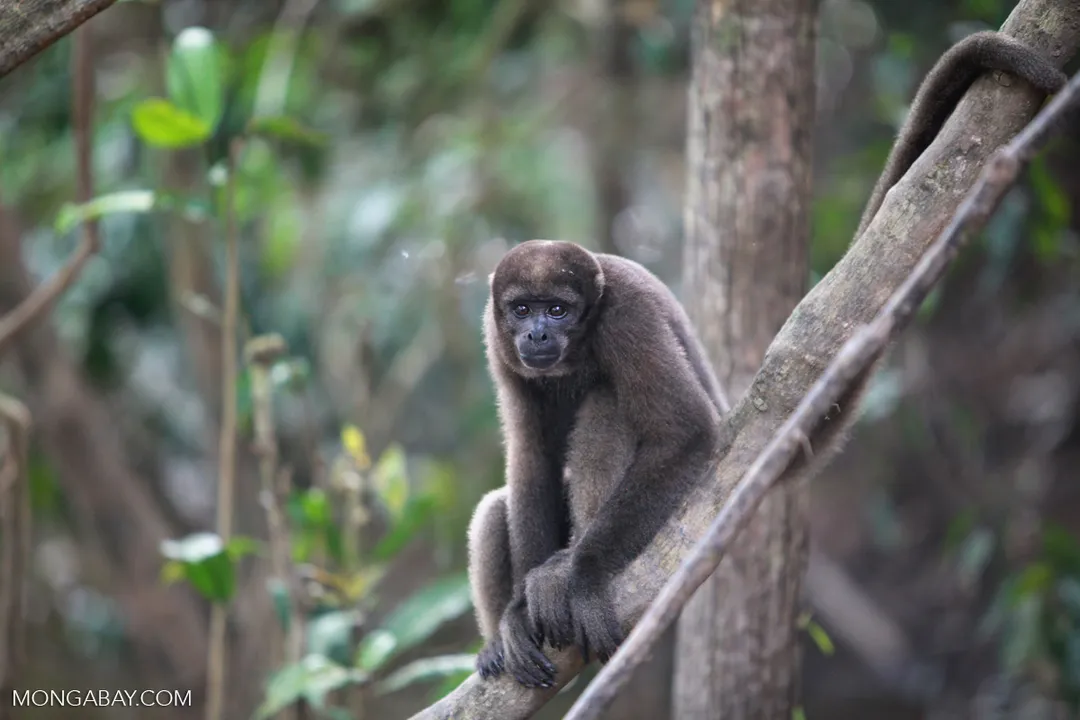
The diet of the woolly monkey is overwhelmingly centered on ripe fruit, making them primary frugivores within their Neotropical forest homes. [1][4] These primates, belonging to the genus Lagothrix, are well-adapted to processing substantial quantities of sugary pulp, which forms the bulk of their daily caloric intake. [2] In their native South American rainforests, where they range across countries like Colombia, Ecuador, Peru, and Brazil, the availability of fruit dictates much of their daily activity, often consuming it when it is most abundant. [3][10]
# Primary Foods
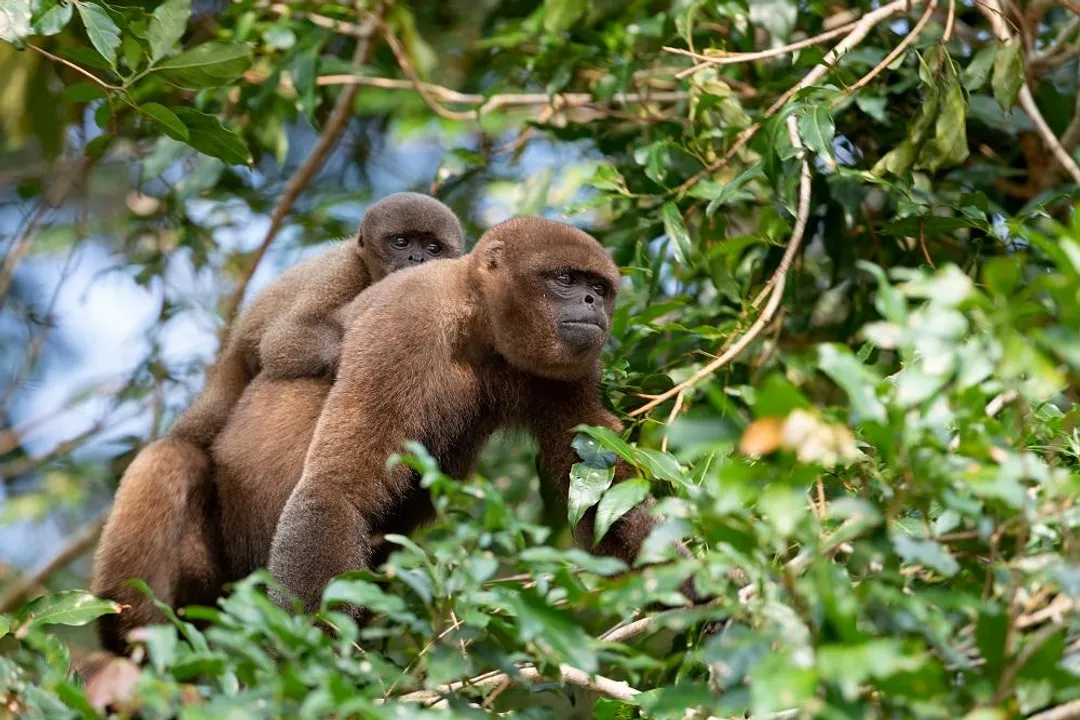
While fruit is king, the definition of a "woolly monkey diet" is not strictly mono-focused. It is a varied menu reflecting the seasonal abundance of the canopy. [1] Ripe fruits are prized for their high energy content, which is essential for maintaining their relatively large body size compared to some other New World monkeys. [4] Estimates suggest that fruit can constitute over 80% of their diet in certain seasons. [1]
However, when fruit is scarce, or perhaps to supplement essential nutrients, they readily turn to other vegetative matter. This secondary food group includes young leaves, flower buds, and the nectar from certain blossoms. [2][3] The consumption of leaves, or folivory, is less dominant than frugivory, but it is an important fallback strategy that helps buffer against seasonal dips in preferred foods. [1]
# Insect Consumption
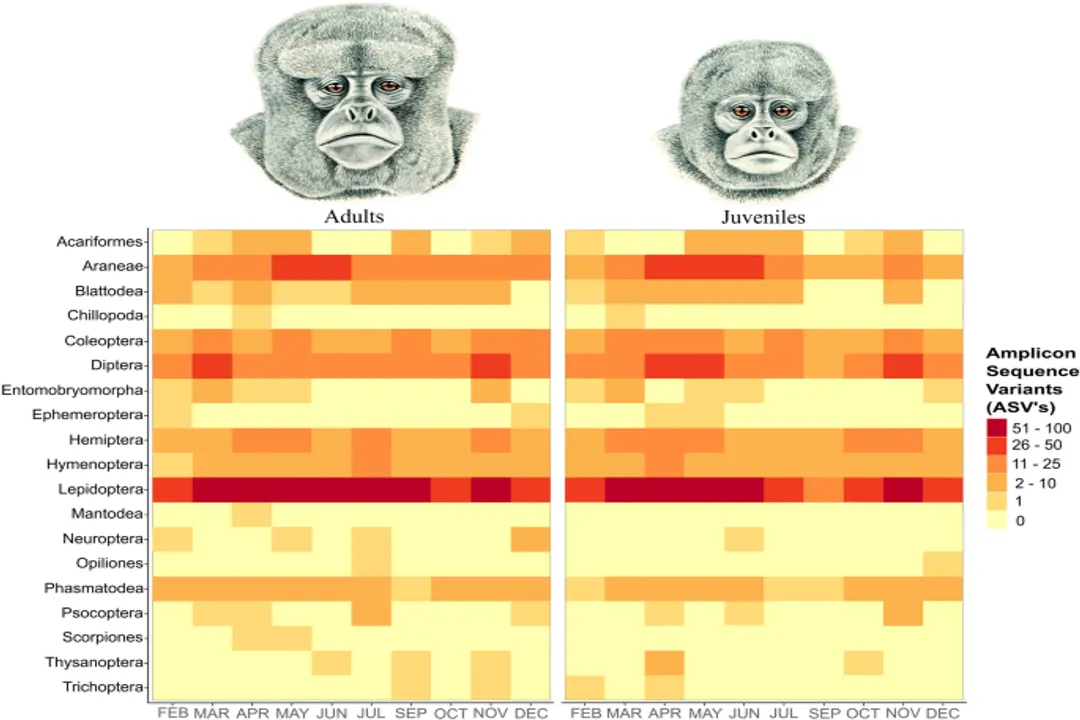
Beyond plant matter, woolly monkeys are also known to consume small animal protein, specifically insects. [4] This inclusion is vital, as plant-based diets, even those rich in fruit, can sometimes lack sufficient protein or micronutrients necessary for growth and maintenance. [3] While they are not specialized insectivores, picking up a few caterpillars, ants, or grubs encountered while foraging likely provides a significant boost of necessary amino acids and fats that might otherwise be limited in a purely fruit and leaf-based intake. [1] The method of foraging for these insects is often opportunistic; they are typically swallowed whole rather than subjected to complex processing. [3]
# Species Variation

It is important to recognize that "woolly monkey" refers to several species, and their precise dietary compositions can exhibit local variation based on their specific geographic location and habitat quality. [9] For example, the Peruvian yellow-tailed woolly monkey (Oreonax flavicauda), found only in the Andes of Peru, may show different foraging preferences compared to the common woolly monkey found further north. [9] This subtle regional difference highlights how localized flora influences the feeding ecology of these wide-ranging primates. [10] For instance, one troop might have access to a reliable source of high-sugar figs, while another relies more heavily on fibrous seeds during the same month. [9]
| Food Category | Primary Components | Estimated Dietary % (Variable) | Nutritional Role |
|---|---|---|---|
| Fruit | Ripe pulp, seeds | 70–90% | Primary energy/sugar source [1][4] |
| Leaves/Buds | Young leaves, flowers | 10–20% | Fiber, secondary nutrients, seasonal filler [1][2] |
| Insects | Caterpillars, grubs | Trace to 5% | Essential animal protein and fat supplement [3][4] |
# Foraging Behavior and Strategy
Woolly monkeys are active foragers, spending a considerable portion of their day searching for food within the forest strata. [2] Their body size means they need to cover large distances daily to meet their energy demands, especially when fruit resources are dispersed. This need to travel widely in search of ripe patches suggests a potential ecological pressure that favors larger home ranges within the troop territory. [2] If a troop's territory cannot support a sufficiently dense or diverse fruit supply throughout the year, the group may face nutritional stress, making resource defense or expansion a key social driver.
When they locate a good feeding spot, their feeding behavior is characterized by rapid consumption. They will often strip a branch of available fruit quickly before moving on, a behavior that reflects the competitive nature of finding and securing high-value calories in a complex canopy environment. [2] Unlike some smaller primates that might meticulously process every seed, the woolly monkey's approach seems geared toward volume intake of readily digestible food.

# Digestive Adaptation
The reliance on a diet heavy in fruit, which contains significant cellulose and complex sugars, demands a specialized digestive system. While exact details can vary across primate studies, the necessity of breaking down large amounts of plant matter efficiently speaks to an adaptation for bulk feeding. [1] The combination of a high-fruit diet with moderate leaf intake means their gut is likely optimized for fermentation to extract maximum energy from fiber-rich materials when needed, alongside rapid absorption of sugars from fruit. [1]
When considering their nutritional strategy, the emphasis on easily accessible, high-energy fruit suggests a trade-off. While high in sugar, fruit is often low in protein, which is why the opportunistic capture of insects is so important. A troop that successfully integrates consistent insect foraging alongside peak fruit season will likely maintain better overall physical condition than one restricted solely to the canopy's vegetative output. [3] This dietary balance between readily available sugar and harder-to-acquire protein forms the foundation of their well-being in the wild. [4]
Related Questions
#Citations
Woolly monkey - Wikipedia
Common Woolly Monkey, Lagothrix lagothricha
Woolly Monkey - The Rainforest
Woolly monkey - Wisconsin National Primate Research Center
Dietary preferences and feeding strategies of Colombian highland ...
Biodiversity-Woolly Monkey - Save America's Forests
What an incredible creature ❣️ - Facebook
Woolly Monkey | Peruvian Monkey Species - La Isla de Los Monos
Woolly Monkey - Lagothrix Lagotricha - A-Z Animals