What did microscopic enamel microwear reveal about masticated food texture?
Answer
Constant wear consistent with consuming siliceous grasses
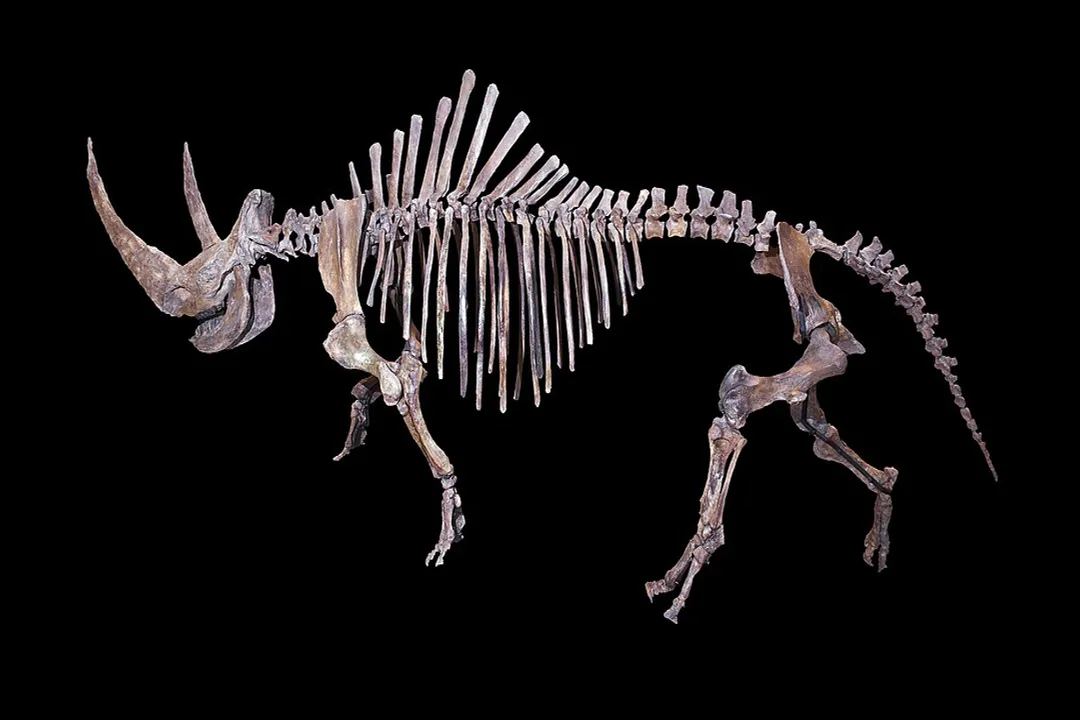
Beyond the macro-level structural adaptations of the teeth (hypsodonty), scientists examine microwear patterns on the tooth enamel to gain fine-scale insights into the actual texture of the food being chewed. The analysis of these microscopic scratches and pits on *Coelodonta antiquitatis* fossils provided compelling evidence of a diet high in tough, abrasive elements. The observed wear patterns were consistent with the constant, strenuous grinding required to process siliceous grasses, which are known to be highly abrasive materials present in the arid steppe environment. This microscopic evidence directly supports the macro-level identification of the animal as a dedicated grazer.
Related Questions
What feeding classification characterized Coelodonta antiquitatis?What two specific types of flora dominated the Coelodonta antiquitatis diet?What elements are analyzed via stable isotope analysis for rhino diet?What specific dental structure allowed the woolly rhino to grind tough material?Which non-woody perennial was regularly included in the rhino's intake?What was the typical body mass range for the massive woolly rhino?How did the woolly mammoth's diet plasticity compare to the woolly rhino?What did microscopic enamel microwear reveal about masticated food texture?What primary component of the steppe environment did the rhino heavily rely on?Which extant rhinoceros species is considered a strong behavioural analogue for the woolly rhino?