What physical adaptation allows the worm snake to push through soil with surprising efficiency during its fossorial activity?
Answer
A pointed, bony head acting like a battering ram
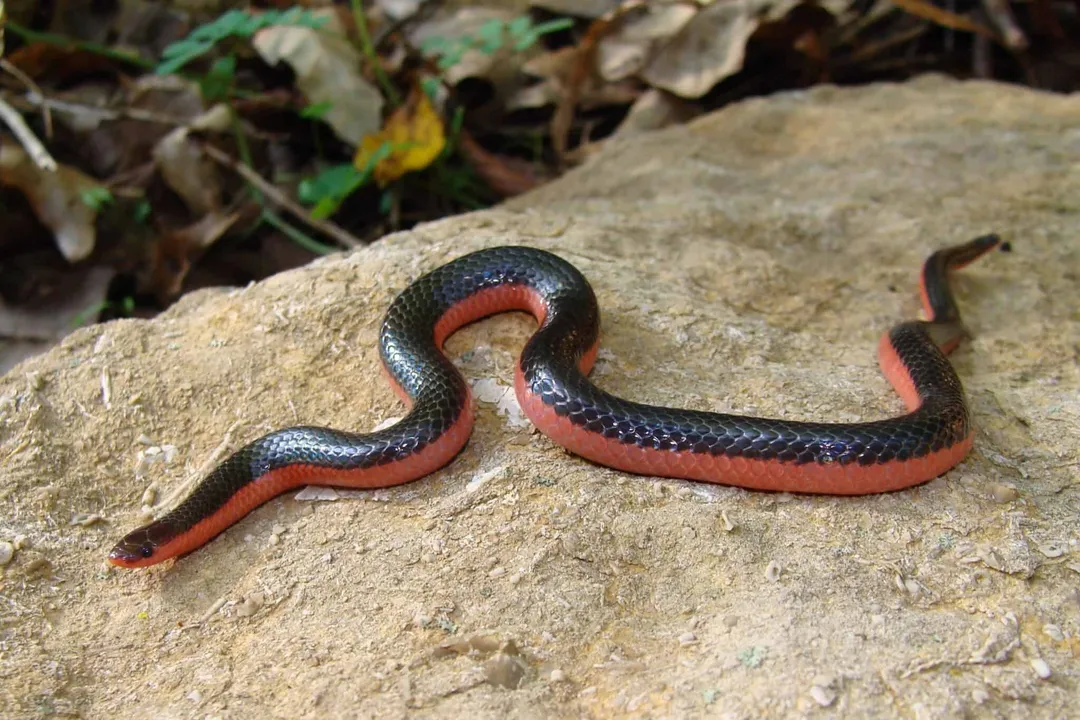
The morphology of the worm snake is specifically engineered for its subterranean habitat and diet. To successfully penetrate and move through soil—a process called fossorial locomotion—the snake has developed a specialized head structure. Its head is described as being pointed and bony. This structure functions mechanically like a battering ram, enabling the snake to efficiently push aside or penetrate the soil structure. This physical tool is vital for accessing the earthworms upon which it feeds exclusively, contrasting with the head structures of snakes relying on striking prey above ground.
#Videos
Worm Snakes | Evolution: The Animated Series | Video for kids
Related Questions
What specialized diet correlates with the worm snake's rigid skull and reduced, often single, lower jaw teeth?Which limbless amphibian shares a superficial form with snakes due to convergent evolution pressures?What is the molecular clock estimation for the origin of crown snakes, sometimes called "one blind grandpa"?How does the worm snake's rigid skull contrast with the typical skull structure of many other modern snakes?What initial environmental existence is suggested by the prevailing hypothesis for snake evolution leading to limb reduction?Which ancient fossil snake species provided evidence of retained, albeit small, hind limbs in early snake forms?What physical adaptation allows the worm snake to push through soil with surprising efficiency during its fossorial activity?Why is the *Giant Slow Worm* structurally distinct from the lineage leading to true snakes like the worm snake?Does the refinement that created the modern worm snake specialize before or after the main radiation of crown snakes?Besides possessing a small diameter and reduced eye size, what general ancestral trait do worm snakes share with other snakes despite their fossorial specialization?If worm snakes belong to a lineage that split off very early, what might their fossorial morphology represent instead of recent specialization?