Worm Evolution
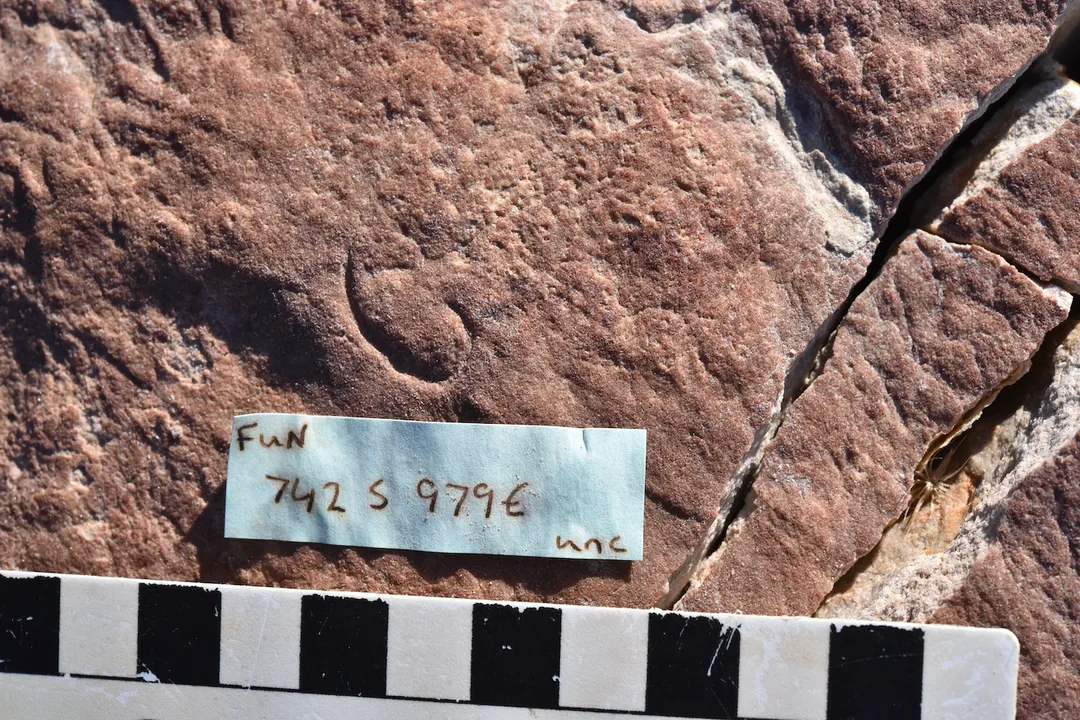
The story of the worm is, in many ways, the story of life on Earth, marked by incredible antiquity and baffling repetition. Far from being a simple, homogenous group, the various forms of worms represent some of the oldest successful body plans on the planet, hinting at deep evolutionary success that predates many of the animal groups we see thriving today. [2][5] Their elongated, soft-bodied form is so successful that it has emerged repeatedly across the tree of life, making the "worm" designation less a strict taxonomic grouping and more a description of an incredibly effective lifestyle solution. [6] To trace worm evolution is to trace the history of soil composition, marine settlement, and the very architecture of bilaterian animals. [5]
# Ancient Lineages
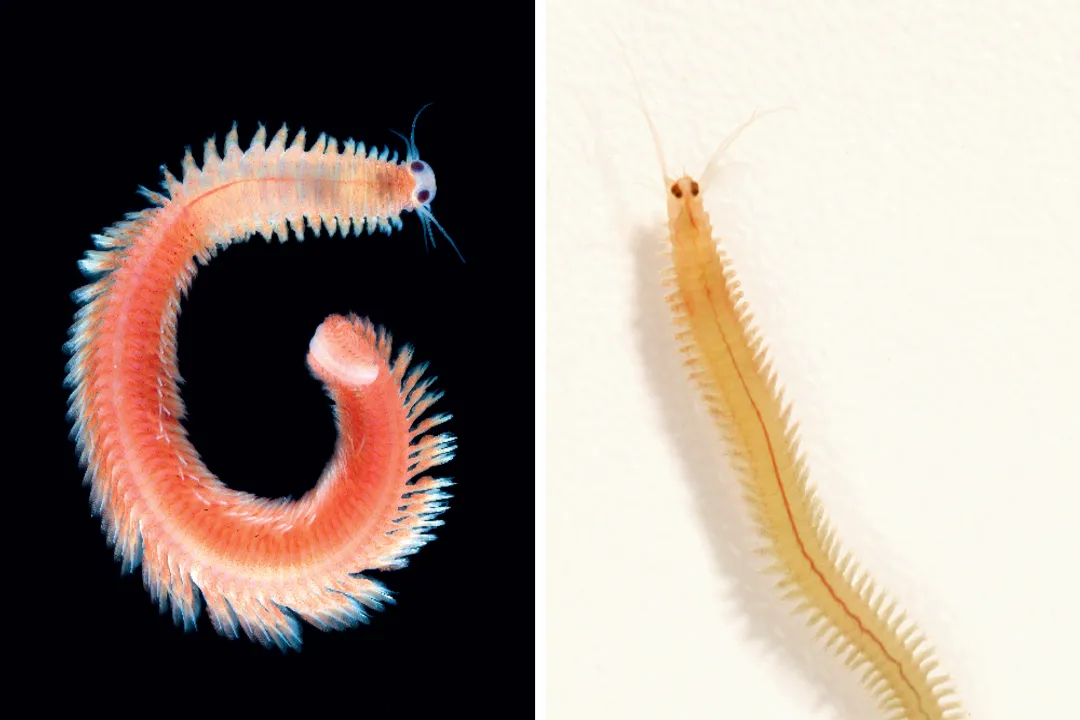
The history of worms stretches back into the earliest periods of animal diversification. Some of the deepest insights into this ancestry come not from the familiar terrestrial types, but from their ancient marine relatives. [4] Studies involving remarkably preserved, tiny, ancient worms are helping scientists illuminate major evolutionary puzzles from deep time. [8] These primordial forms offer a window into the basic architectural blueprints that allowed complex life to organize itself before the Cambrian explosion truly took hold. [4][8]
The challenge in studying ancient worm evolution lies in the fact that soft-bodied organisms rarely fossilize well, which means much of the early data relies on molecular clock analysis or the study of exceptionally preserved, rare specimens. [8] For instance, examining certain marine worms can provide clues about our own distant evolutionary past, suggesting common traits shared with ancestors that lived long before terrestrial life became dominant. [4] The insights gleaned from these marine forms often suggest that the foundational processes for developing complex body structures were established very early, with the worm shape representing one of the initial successful adaptations for burrowing or benthic existence. [4]
# Marine Ancestry
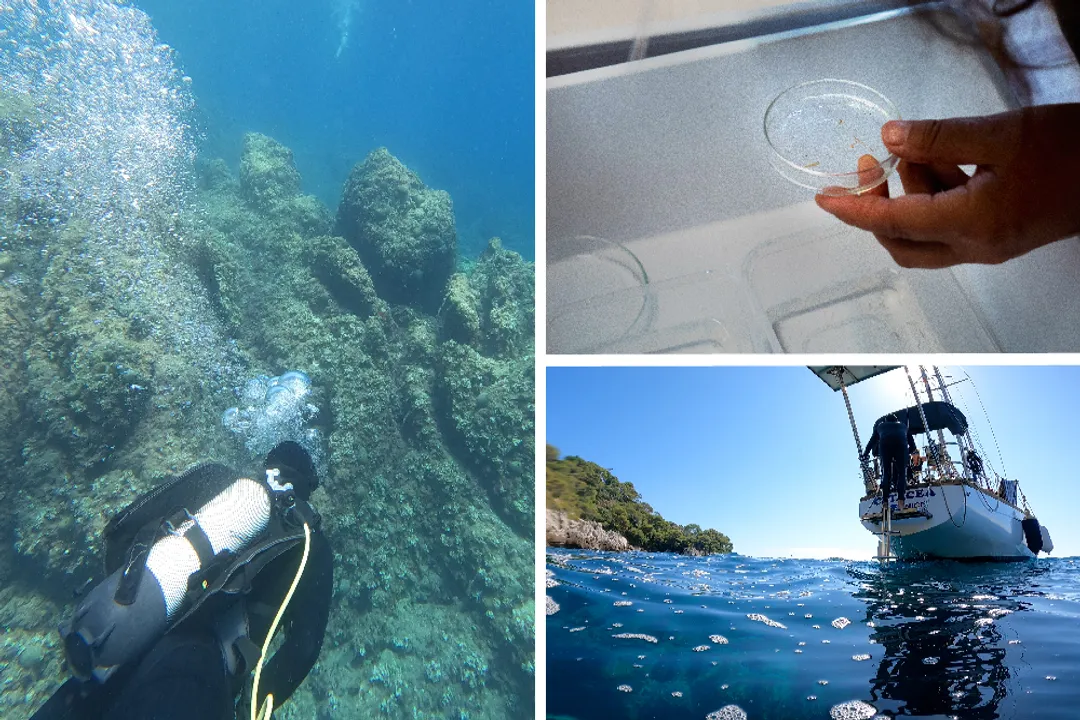
When looking back at the roots of many animal phyla, the ocean is the common starting point, and this holds true for the worm lineage as well. [4] The characteristics found in certain extant marine worms are vital for understanding the baseline condition from which terrestrial forms later diverged. [4]
| Evolutionary Focus | Primary Environment | Key Evolutionary Insight | Source Implication |
|---|---|---|---|
| Ancestral Worms | Marine | Basic segmentation, hydrostatic skeleton function | Provides baseline data for bilaterian body plans [4][8] |
| Terrestrial Worms | Soil/Land | Adaptation for terrestrial ecology, soil conditioning | Focus on ecological engineering and dispersal [1][2] |
An analysis of these marine groups reveals fundamental strategies—such as efficient locomotion through hydrostatic pressure or basic internal organization—that were later co-opted or modified for life on land. [6] While the popular understanding of worms often centers on earthworms, these ancient marine cousins underscore that the simple tube body was one of evolution’s earliest major successes. [4][5]
# Terrestrial Origins
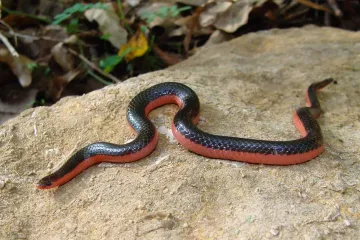
The transition of worm-like forms onto land, specifically resulting in the diverse group we recognize as earthworms (Oligochaeta), involved significant adaptation. Earthworms are not merely marine worms that crawled ashore; they represent a successful evolutionary divergence shaped by terrestrial pressures. [2][1] Their development involved major innovations related to respiration, reproduction outside of constant aquatic saturation, and interaction with the new substrate: soil. [2]
Research into earthworm evolution suggests that the diversification of these creatures is closely tied to geological events and climatic shifts that affected soil development across the globe. [1][2] The movement into soil systems essentially repurposed the ancient worm body plan into a powerful geological agent. One area of intense study involves mapping the genetic relationships between different earthworm families to understand when and where they colonized different continents. [1] This research often points to a long, deep history of earthworm existence, making them profoundly integrated into the planet's biogeochemical cycles for millions of years. [5]
If we consider the sheer persistence, a fascinating concept emerges regarding modern agriculture: the effectiveness of current soil management practices can sometimes clash with evolutionary timelines. When land is heavily tilled or treated with certain chemicals, we risk damaging populations that have successfully engineered healthy soil structures over timescales far exceeding human civilization, breaking a long-established evolutionary rhythm of interaction between soil and annelid. [5]
# Body Plan Repetition
Perhaps the most intriguing aspect of worm evolution is not the history of one group, but the recurring phenomenon of the wormlike body plan arising independently in different lineages. [6] This is a classic example of convergent evolution—where unrelated organisms evolve similar traits because they face similar environmental challenges or occupy similar ecological niches. [6] The soft, elongate, cylindrical, or flattened form is simply the most efficient geometry for burrowing through loose substrates like soil or sediment, or for moving slowly through water columns. [6]
The question, often debated in biological forums, is why this shape recurs so frequently across phyla as diverse as Annelida, Nematoda, and even in the larval stages of some mollusks. [6] The answer lies in biomechanics and resource acquisition. An elongated body allows for efficient peristaltic movement—the wave-like muscular contractions that push the body forward or allow it to squeeze through tight spaces—requiring relatively little energy for locomotion in a low-resistance environment. [6] While the internal anatomy and genetic heritage between a nematode (roundworm) and an earthworm (annelid) are vastly different, their external shape solves the same mechanical problem, which is why they can look superficially similar. [6] The short, rapid-fire visual examples of different worm types circulating online often serve to emphasize this point, showcasing the morphological convergence across diverse groups. [3]

# Ecosystem Engineering
The evolutionary success of worms is not just about their survival; it is about their dramatic impact on the environment they inhabit, especially the terrestrial earthworms. [5] They are often called ecosystem engineers because their constant processing of soil fundamentally alters its physical and chemical properties, creating the conditions necessary for plant roots and other life to thrive. [5]
When earthworms consume organic matter, they mix and aerate the soil, increase water infiltration, and cycle nutrients by depositing nutrient-rich casts. [5] This engineering role has been ongoing for a substantial portion of Earth's history, suggesting that the evolution of terrestrial soil structure is inextricably linked to the evolution of annelids. [5] The sheer volume of soil turned over annually in a healthy field can be staggering; it’s a slow, continuous process that has shaped landscapes over eons. [2] This profound ecological influence means that the evolutionary trajectory of the worm directly influenced the evolution of terrestrial flora and fauna that depend on fertile ground. [5]
# Current Research
Modern evolutionary biology continues to refine our understanding through advanced molecular and morphological studies. Recent findings often focus on resolving phylogenetic trees using new genomic data, which can sometimes reveal unexpected relationships or pinpoint the timing of key divergences. [1] For instance, new studies on earthworm genetics are helping to clarify the relationships between major clades, offering more precise dates for when certain groups branched off. [1]
One of the exciting areas involves integrating data from different fields. For example, leveraging genomics alongside the fossil record (even sparse fossil evidence) provides a more complete picture of major evolutionary leaps, such as the colonization of land or the development of specific organ systems. [8] Discoveries of ancient, exceptionally preserved specimens continue to provide critical anchors in the evolutionary timeline, validating or challenging the models built purely on modern genetic sequences. [8]
In essence, the worm’s story is one of fundamental biological success. From the murky beginnings in the ocean depths, evidenced by tiny, ancient forms, to the pervasive, soil-shaping power of the earthworm, this simple body plan has demonstrated a remarkable capacity for adaptation, persistence, and global ecological impact. [1][4][5] The ongoing study reveals that these "simple" animals are key players in the grand narrative of life on our planet. [5]
Related Questions
#Citations
Defying Darwin: Scientists discover worms rewrote their DNA to ...
The evolution of earthworms - BMC blog network
Scientists Revive Prehistoric Worm After 46,000 Years - YouTube
A marine worm offers clues about our evolutionary past | EMBL
An Unlikely Hero In The Evolution Of Life On Earth: Worms
Why has the worm-like body plan evolved so often? - Reddit
Fossil worm shows us our evolutionary beginnings - BBC
Tiny ancient worm sheds big light on evolution mystery
As the Worm Turns, Evolution Leaps – CEH
Darwin Loved Worms. They May Have Proved Him Wrong About ...