Worm Snake Diet
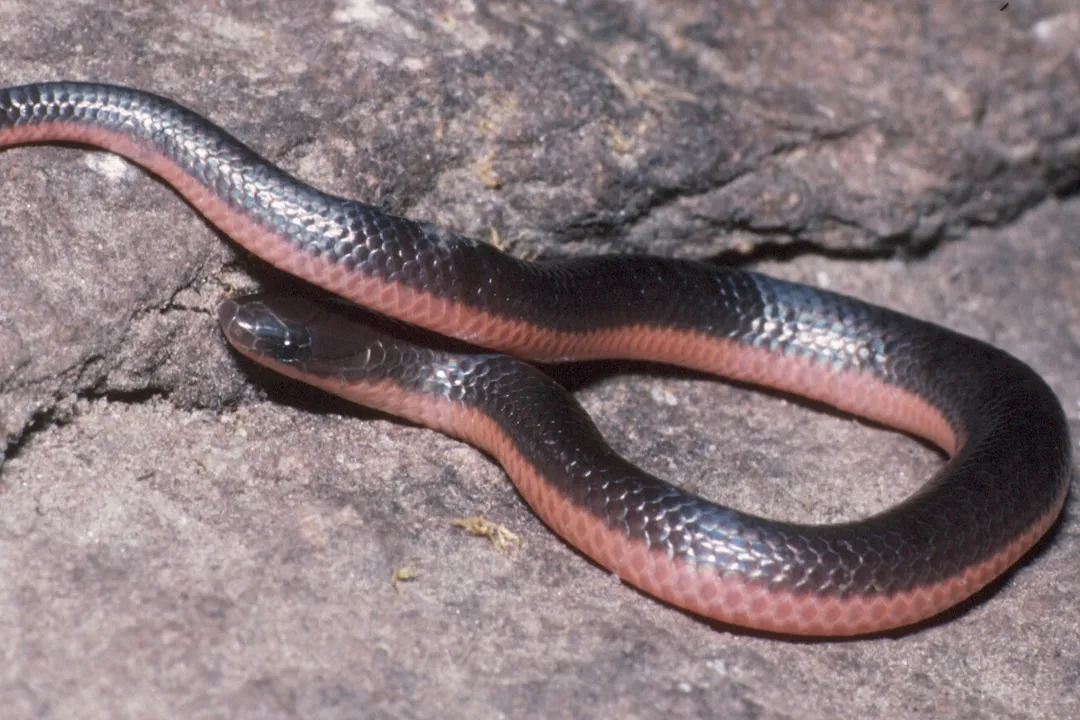
The diet of the various species categorized as worm snakes is remarkably consistent, painting a picture of an extremely specialized subterranean predator. For both the Eastern Worm Snake (Carphophis amoenus) and its close relative, the Western Worm Snake (Carphophis vermis), the foundation of their sustenance rests almost entirely on one primary food source: earthworms. This singular focus dictates where they live, how they hunt, and what environmental conditions must be met for them to survive.
# Primary Prey

When examining the feeding habits across their range, the near-exclusive reliance on earthworms is the most striking commonality. In regions like North Carolina, the diet consists almost entirely of these segmented soil dwellers. Similarly, Virginia populations center their meals around earthworms. Even in the northern reaches of their distribution, such as New York, consumption of earthworms is the known behavior. The data strongly suggests that if earthworms are unavailable, the snake will struggle significantly, as other food items are merely secondary or opportunistic additions rather than reliable staples.
It is worth noting the subtle difference that arises when considering the Western Worm Snake (Carphophis vermis). While its diet is also dominated by earthworms, reports indicate a slightly broader inclusion of other soft-bodied prey, specifically mentioning slugs alongside the worms. This minor variation in prey tolerance might be due to ecological differences between the eastern and western habitats or slight physiological adaptations between the two closely related species.
# Supplemental Foods

While earthworms are the main course, a few sources indicate that the worm snake's menu isn't entirely monotonous, especially when opportunities present themselves. These supplemental items share a key characteristic with their main staple: they must be soft-bodied invertebrates.
The occasional inclusion of slugs has been noted in some populations. Furthermore, soft-bodied insect larvae are sometimes consumed by the Eastern Worm Snake. This suggests that while the snake is perfectly adapted for tunneling after subterranean annelids, it possesses the necessary mouth structure and foraging instinct to take advantage of other slow-moving, non-armored invertebrates found within the same damp, dark microhabitats. The infrequent nature of these finds, however, implies that they do not constitute a substantial portion of the snake's annual caloric intake compared to the steady supply of worms.
# Foraging Habitat
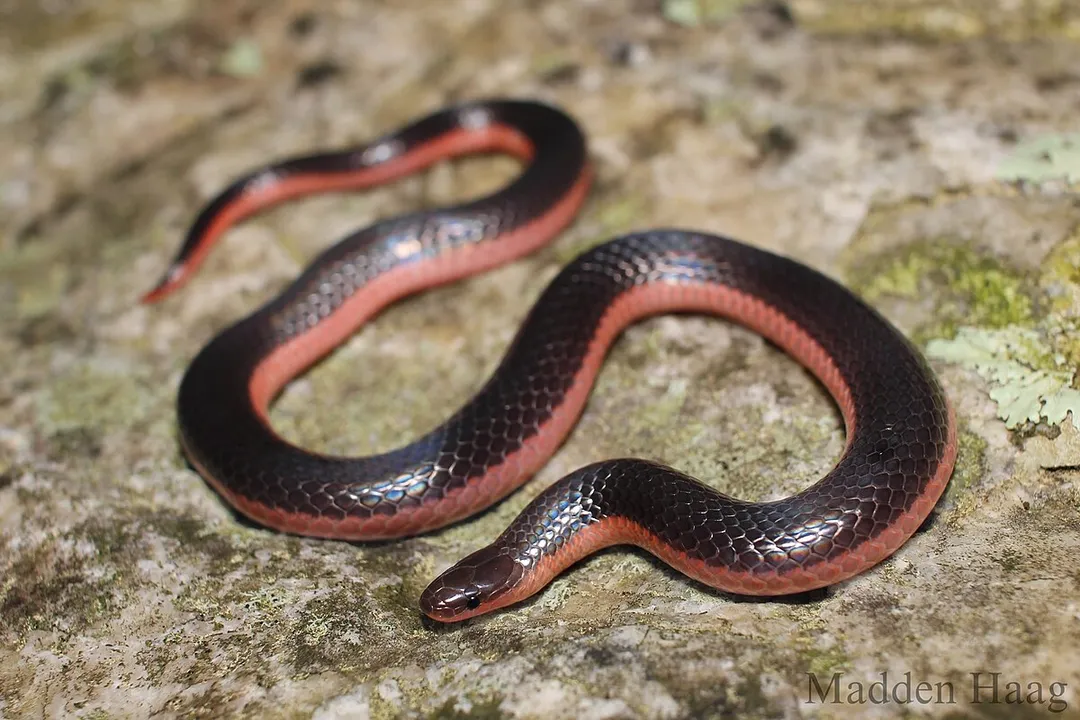
Understanding what the worm snake eats is only half the story; knowing where it finds these meals is crucial to understanding its specialized niche. Since its diet is earthworms and soft larvae, the snake naturally seeks out environments that retain moisture and harbor abundant decaying organic matter. This leads them beneath the surface layer of the forest floor.
Worm snakes are frequently found under decaying logs and within deep leaf litter layers. This substrate provides the necessary humidity for the earthworms to thrive and offers the snake easy access to burrowing depths without requiring significant energy expenditure digging through hard, dry soil. In essence, the location of a healthy, moist, and decomposing forest floor directly correlates with the presence of a viable worm snake population. This interdependence between the snake and the detritus layer highlights a key aspect of their ecological role: they are beneficiaries of the decomposition process occurring beneath our feet.
If you were trying to track where these snakes might be, looking for soil that remains damp well after a rain or finding areas with thick, undisturbed mulch or leaf cover provides the best clue to finding their food source, which in turn leads to the snake itself. A region with poor soil drainage or frequent, intense seasonal droughts would likely support fewer earthworms, making it a difficult place for a highly specialized eater like the worm snake to establish itself, regardless of air temperature or general habitat type.
# Feeding Behavior
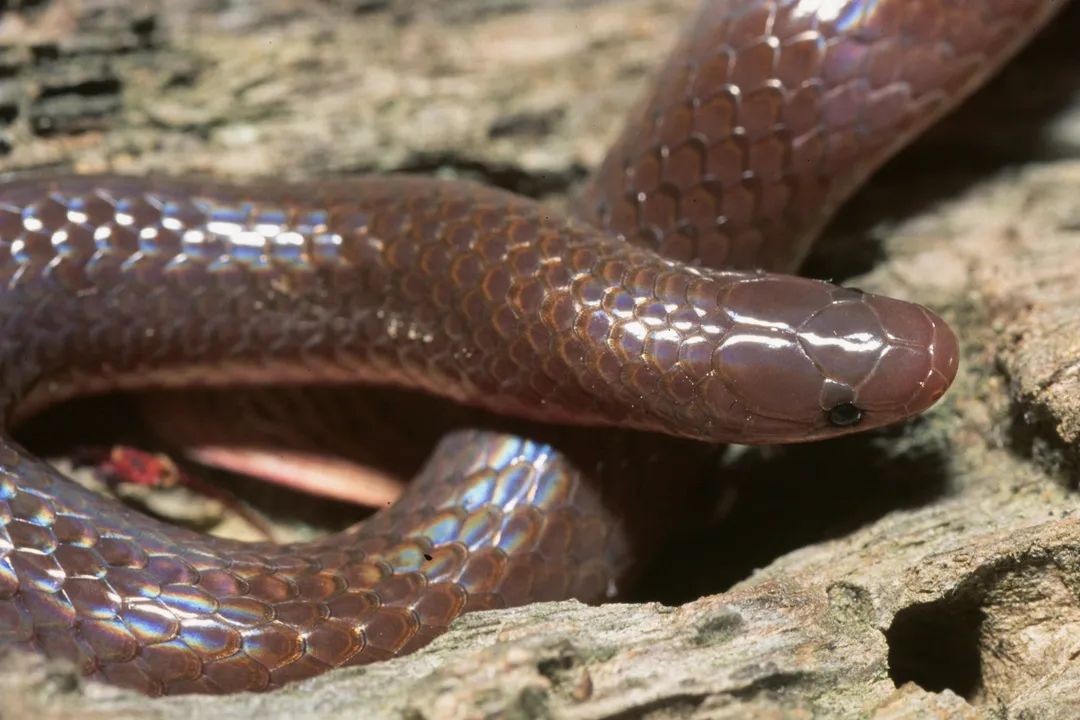
The worm snake’s physical adaptations are perfectly tailored to its diet. Its small size and pointed snout are not accidental features; they are tools designed for subterranean life and specialized feeding.
The snake’s body is slender, allowing it to navigate the tight tunnels made by earthworms or to push its way through loose soil and decaying matter. Its small, often unprojecting, eyes reflect its preference for darkness, as visual hunting above ground is unnecessary when the primary food source lives entirely beneath the surface. The snake essentially ‘smells’ or senses its way to its prey underground or within the detritus.
When a worm snake locates an earthworm, its feeding method is focused and direct. Unlike some larger snakes that rely on constriction, the worm snake uses its sharp, tiny teeth to grip the slippery prey while manipulating it to swallow it whole. Given the consistency of the prey—long, soft, and cylindrical—the act of swallowing the entire worm requires a specialized muscular coordination, which they execute efficiently in their dark environment.
# Practical Considerations
For those who might encounter these animals, perhaps as accidental discoveries during gardening or yard work, knowing the diet emphasizes their non-threatening nature. Because their primary food is underground invertebrates, they pose no threat to bird nests, small rodents, or other terrestrial vertebrates often associated with more generalized snake diets. Their feeding mechanism is geared toward engulfing soft prey, not subduing larger, struggling animals.
It is useful to consider the size dynamics involved. Since the primary food source is earthworms, the size of the prey item must correspond reasonably well to the size of the snake, especially for younger individuals. While the general sources do not provide specific size ratios for prey intake, the nature of earthworms means that feeding often involves consuming prey that is nearly as long as the snake itself, unlike rodent hunters that swallow prey many times smaller in diameter. This reliance on elongated, flexible prey is a crucial difference between the worm snake and many other fossorial (burrowing) snakes that may tackle beetle grubs or small amphibians. For instance, a common concern for keepers of small snakes relates to prey diameter; for the worm snake, the diameter of the earthworm is less of an issue than its length and ability to be maneuvered down the esophagus.
# Ecosystem Significance
The highly specialized nature of the worm snake's diet places it in a fascinating position within its local ecosystem. It acts as a direct consumer of the soil macroinvertebrate community, helping to regulate earthworm populations in the upper soil horizons. This activity is often beneficial, as burrowing by earthworms helps aerate the soil, and the snakes help keep those populations in check within the organic layers.
Their diet ties them deeply into soil health metrics. If soil compaction increases—perhaps due to heavy machinery use or repeated foot traffic that prevents water infiltration—the habitat for earthworms degrades quickly. This immediately cuts off the worm snake’s food supply, often before the snake is directly harmed by the disturbance. Therefore, observing a thriving population of worm snakes can serve as an excellent, though indirect, indicator of a healthy, balanced, and relatively undisturbed layer of topsoil and decomposing wood in a forested or damp area. They are, in many ways, sentinels of subterranean biological activity, validating the health of the unseen world beneath the leaf litter.
Related Questions
#Citations
Eastern Worm Snake - Chesapeake Bay Program
Carphophis vermis - Wikipedia
Learn about eastern wormsnakes | Mass.gov
Eastern Wormsnake - Virginia Herpetological Society
Tiny snake food advice : r/reptiles - Reddit
Worm Snake - Amphibians and Reptiles of North Carolina
Eastern worm snake - Facts, Diet, Habitat & Pictures on Animalia.bio
Eastern Wormsnake - TN.gov
Eastern Wormsnake Guide - New York Natural Heritage Program
It's Easy to Mistake a Worm Snake for an Earthworm | HowStuffWorks