What habitat requirement defines a worm snake as 'fossorial'?
Answer
Adaptation for digging and living beneath the surface
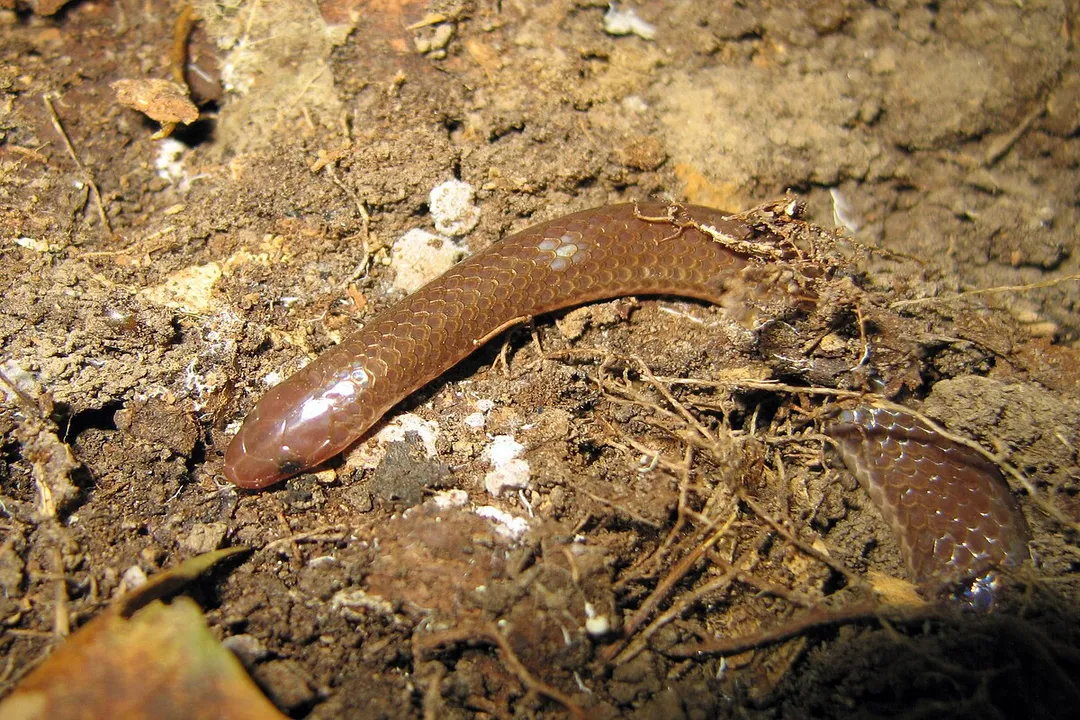
The term fossorial is defined specifically as describing animals adapted for digging and living beneath the surface layer of the ground. This adaptation dictates nearly every aspect of the worm snake's existence, from its preferred soil type to its diet and vulnerability to surface predators. Because they are fossorial, they require loose, friable soil that allows them to tunnel easily, unlike hard clay or compacted earth. This subterranean existence also means they seek out consistent shade and moisture found underground or directly beneath cover objects, contrasting sharply with surface-dwelling reptiles.
Related Questions
What physical feature identifies worm snakes as masters of disappearing underground?What habitat requirement defines a worm snake as 'fossorial'?Where is the Western Worm Snake (*Carphophis vermis*) distribution primarily centered?What regions characterize the broad distribution of the Eastern Worm Snake (*C. amoenus*)?Which soil compositions are worm snakes explicitly noted as *not* inhabiting?What primary food sources are easily accessible in moist, loamy earth for worm snakes?Where do worm snakes move to when ground temperatures drop in late fall for hibernation?Which cover objects are dependable indicators of a worm snake's presence due to moisture trapping?Why do recently tilled vegetable rows, though worm-rich, pose a navigation challenge for worm snakes?In New York, where are Eastern Worm Snakes (*C. amoenus*) typically confined?