Wolf Snake Evolution
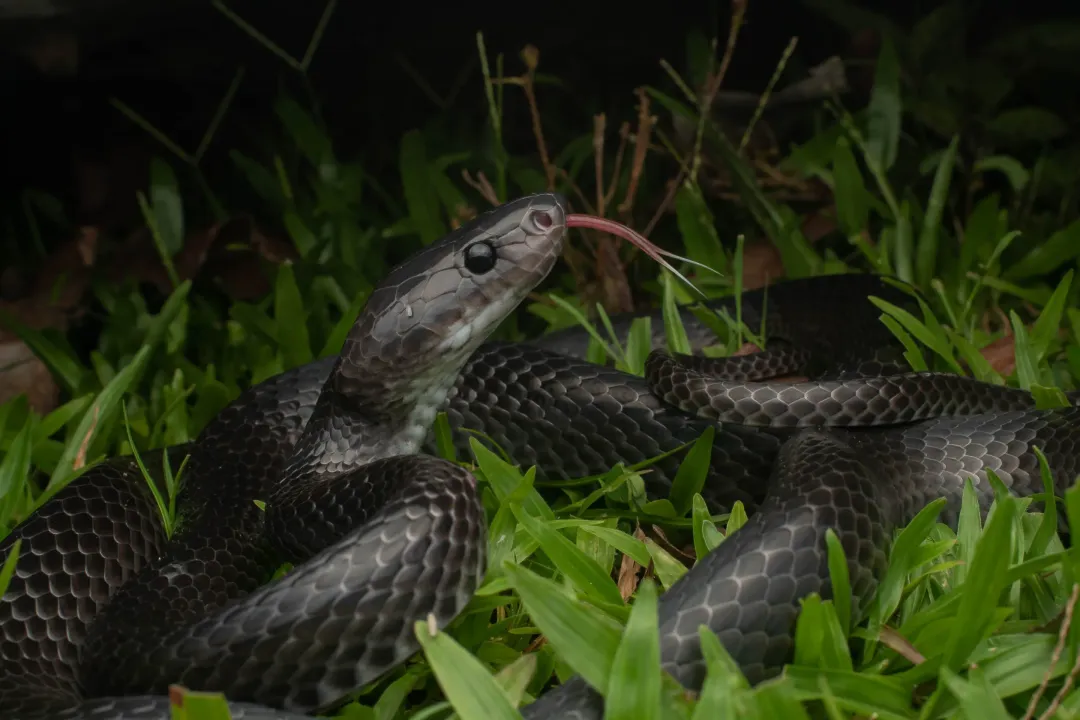
The lineage of snakes commonly known as wolf snakes immediately brings to mind their somewhat generic but descriptive common name, often applied to several non-venomous species primarily found across Asia. [1][2] These snakes belong to the genus Lycodon, a group whose evolutionary history is proving far more intricate than superficial field guides might suggest. Understanding their development requires looking past simple visual identification and delving into the molecular data that separates truly distinct lineages within this diverse assembly of reptiles. [10]
The commonality in naming across different species stems from a shared morphology—a slender body, often a somewhat pointed snout, and frequently a pattern of blotches or bands, though this varies significantly by species. [1] For instance, the Common Wolf Snake, Lycodon aulicus, is widely distributed and often mimics the appearance of the venomous krait, a classic example of Batesian mimicry driven by evolutionary pressure. [9] However, the evolutionary story is not about a single line of mimicry; it is about the branching and specialization within the Lycodon genus itself across vast geographical areas. [10]
# Genus Scope
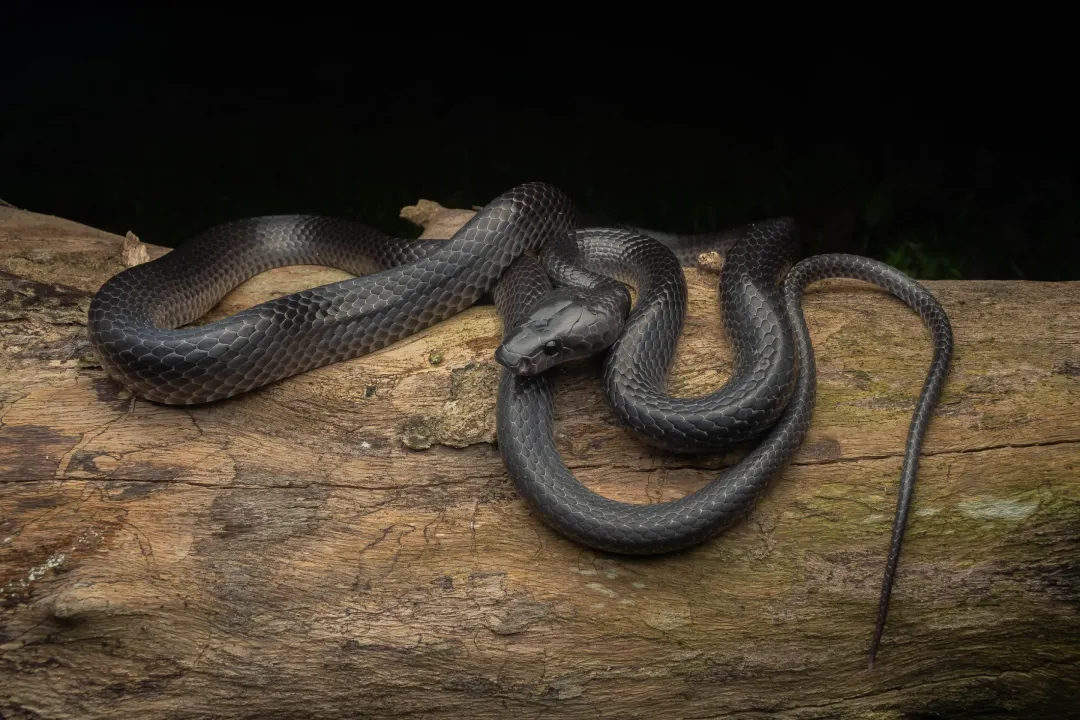
The genus Lycodon anchors the discussion of wolf snake evolution, encompassing numerous species distributed widely across South, Southeast, and East Asia. [10] These snakes are part of the family Colubridae, the largest snake family globally, characterized by the absence of venom glands in the maxilla, though some members possess rear fangs. [1] Wolf snakes, however, are generally considered harmless to humans as they are non-venomous. [2][9]
Taxonomic stability within the genus has historically been challenging. Early classifications often lumped snakes with similar appearances into single species, or conversely, failed to separate cryptic species—those that look alike but are genetically distinct. [10] It is through modern techniques, particularly multilocus phylogeny, that scientists are actively unraveling these historical misclassifications and charting the true relationships within the group. [10] For example, species like Lycodon carinatus, the Keelback Wolf Snake, inhabit distinct ecological niches that are reflected in their genetic separation from other members like L. aulicus. [7]
# Phylogenetic Patterns
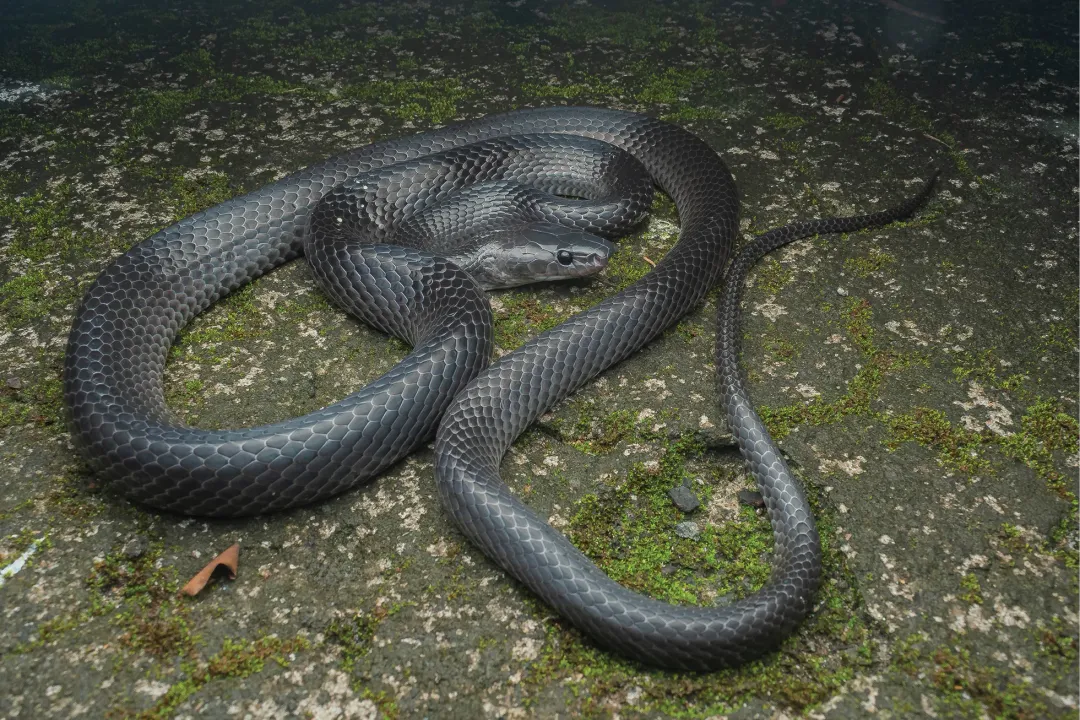
The deep evolutionary history of Asian wolf snakes reveals fascinating diversification patterns that challenge previous assumptions about their spread and speciation. [10] Multilocus phylogenetic analyses, which examine multiple gene regions simultaneously, are the primary tools illuminating these relationships. [10] These studies have demonstrated that Lycodon diversification is not a simple, linear progression radiating from a single point; rather, it involves complex processes of dispersal, isolation, and subsequent rapid speciation across the Asian continent. [10]
One significant finding from recent molecular studies is that the genus shows several distinct, genetically separated clades—major evolutionary branches—that sometimes correlate surprisingly little with traditional morphological groupings. [10] This suggests that external features like coloration or banding patterns can evolve convergently or be lost, making genetics the more reliable indicator of evolutionary relatedness. For instance, patterns of diversification suggest that certain groups experienced rapid radiations perhaps linked to major geological or climatic shifts in Asia, leading to the splitting of populations that subsequently evolved into new, recognized species. [4][5] The sheer diversity within the genus, with many new species being formally described recently, underscores how much evolutionary history remained hidden until high-resolution genetic tools were applied. [3][8]
The research effort aimed at clarifying the Lycodon tree reveals that what we once considered variations within a single widespread species might actually represent several distinct evolutionary entities that have been geographically isolated for substantial periods, allowing unique traits to become fixed. [10] This constant revision of the species list is itself a reflection of evolutionary biology in practice—the ongoing process of recognizing the history written in DNA. Considering the distribution spanning from India to Japan, it is logical that the evolutionary splits would follow major biogeographic barriers, such as mountain ranges or sea level changes that isolated island populations. [10]
# Discovery and Nomenclature
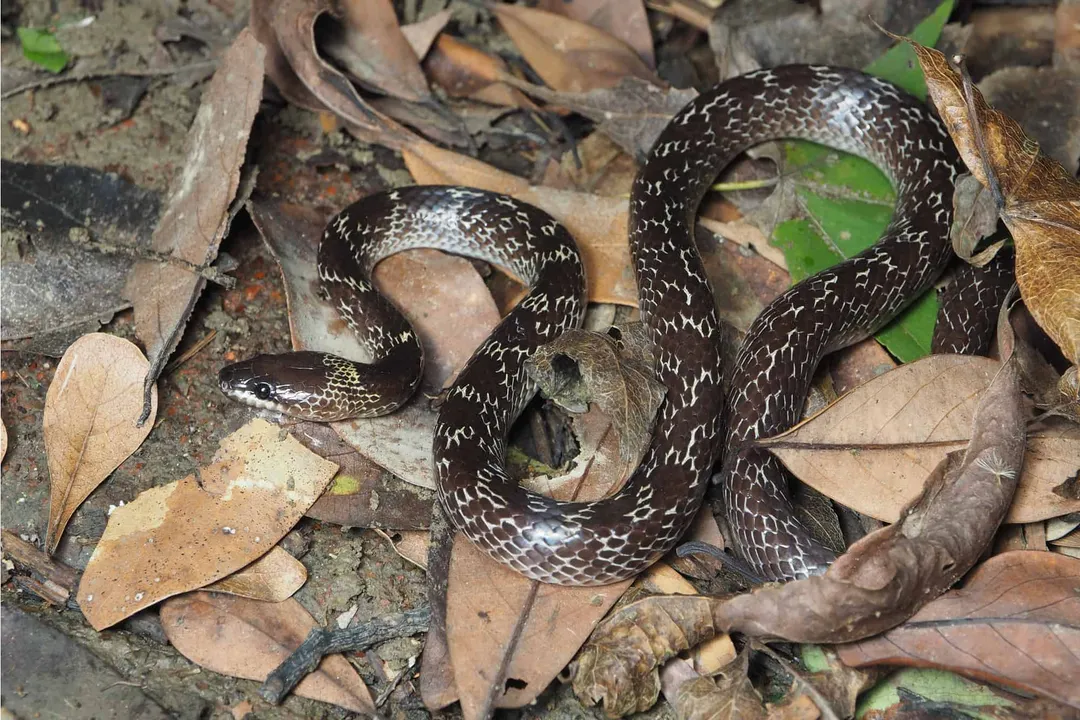
The process of discovering and naming new wolf snake species highlights the dynamic nature of systematics. A prime example is the recent description of a new species named in honor of Steve Irwin. [3][5][8] This snake, described as slender and shiny black, offers a tangible example of a unique evolutionary endpoint within the Lycodon radiation. [8] The specific naming convention honors a well-known figure in conservation, bringing public attention to the often-overlooked scientific work defining biodiversity. [3][5]
When scientists formally name a new species, such as one described in the Vertebrate Zoology journal, [4] they are essentially charting a new branch on the evolutionary tree. This recognition is usually backed by comparative morphology and robust genetic data showing that this population is reproductively isolated and genetically divergent enough from its closest known relatives, such as Lycodon aulicus. [9] The discovery of the Irwin-named species, for instance, confirms the existence of a lineage distinct enough to warrant its own designation, likely separated evolutionarily for a significant time, even if its external appearance shares similarities with nearby populations. [8] This is where the integration of historical ecological observations, like those regarding invasive potential in certain areas, [6] meets cutting-edge genetic proof.
An interesting aspect of analyzing these distinct species is comparing the time estimates derived from molecular clock analyses against the known geological history of the region where the species is endemic. If a species is found only on a single island or restricted valley, the evolutionary split timing derived from its genetic divergence should ideally correlate with the time that island or valley was geographically isolated.
# Ecological Drivers
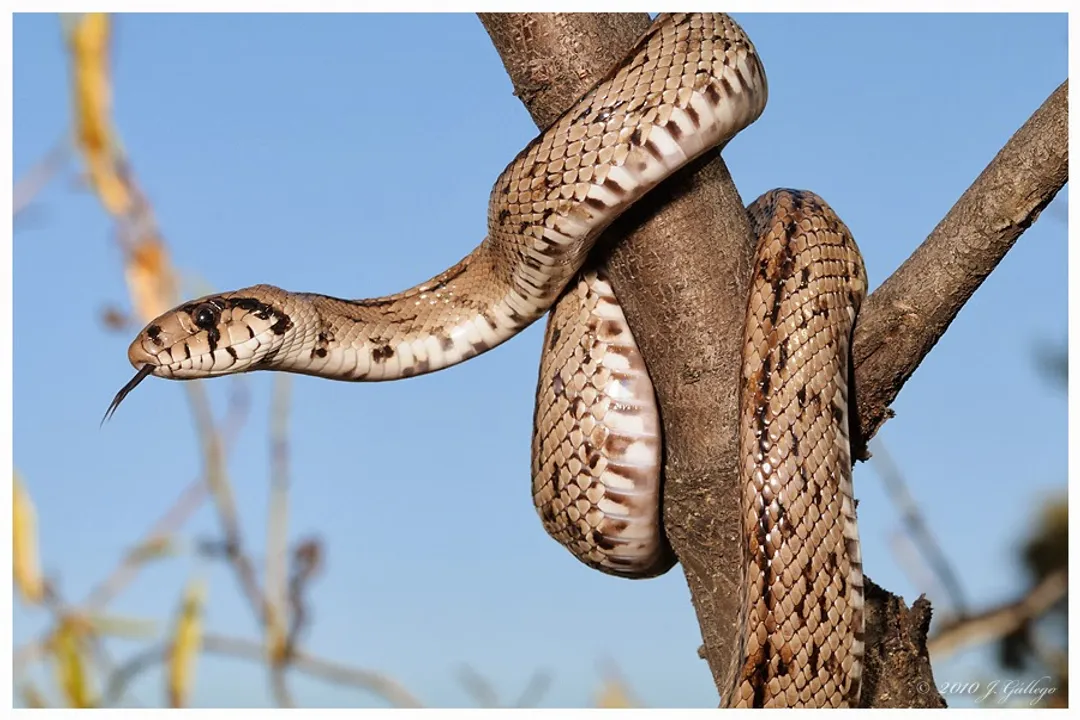
The evolution of Lycodon snakes is heavily influenced by their ecological roles. Wolf snakes are primarily nocturnal hunters, preying on small vertebrates like lizards, frogs, and sometimes small rodents. [1][2] This lifestyle—being active in the dark—places a premium on effective camouflage or the ability to move quickly and unobtrusively.
Their morphology reflects this niche. The slender build common across many species allows them to navigate dense undergrowth or enter small crevices in search of prey. [8] The presence of keeled scales on some species, like L. carinatus, [7] might confer advantages in gripping surfaces or resisting abrasion while hunting in leaf litter, an adaptive trait that would have been selected for over time.
Contrast their ecological niche with that of another group, such as the large, heavy-bodied python species which rely on constriction and ambush. The wolf snake lineage has evolved toward a smaller, more agile form, specializing in smaller, quicker prey items that require active pursuit or patient waiting in concealed locations. [2] This divergent pathway within Colubridae showcases how different environmental pressures—predator avoidance, prey availability, and habitat structure—can sculpt distinct evolutionary outcomes even among closely related groups residing in the same broad geographical area. The fact that the Common Wolf Snake exhibits mimicry of the venomous krait [9] suggests that predation pressure from birds or mammals was a powerful selective force driving the evolution of its coloration and patterning early on. [1]
# Taxonomy and Data Integrity
The reliability of evolutionary studies hinges entirely on accurate species identification, which is why the maintenance of reptile databases is so important for understanding evolution. [7] Databases like the Reptile Database provide the essential baseline nomenclature against which new genetic data is mapped. [7] If a species name is applied incorrectly across several populations that are, in fact, separate evolutionary units, any subsequent study on distribution or diversification will be flawed.
The work done on Lycodon shows that modern taxonomy is correcting these historical ambiguities. The formal description and genetic sequencing of a new species, such as the one honored after Steve Irwin, [3][8] acts as a necessary anchor point, providing verifiable evidence of a unique evolutionary trajectory that warrants official scientific recognition. [4] This reliance on verifiable, traceable specimens and genetic markers forms the backbone of modern understanding regarding the tempo and mode of snake evolution in Asia.
It is fascinating to observe how quickly our understanding of species boundaries is changing. Where a herpetologist decades ago might have recognized three species of wolf snakes across a region, genetic analysis might now confirm six or seven distinct evolutionary entities, each representing a unique, long-term adaptation to its local environment. [10] This speed of modern discovery means that the evolutionary map of the genus is being redrawn quite rapidly, a far cry from the slow accumulation of morphological descriptions that characterized earlier eras of taxonomy. This renewed scrutiny is critical for effective conservation, as we cannot protect what we have not accurately identified as evolutionarily distinct.
# Dispersal and Habitat
The very success of the Lycodon genus—its wide distribution across many Asian landmasses—is a testament to the evolutionary traits that favored dispersal. Whether by rafting on natural debris during periods of lower sea level or simply by utilizing continuous habitat corridors, the ability of these snakes to cross geographic barriers has shaped their evolutionary structure. [10] The invasive history of some related or similar species, while perhaps not central to the wild wolf snake's core evolution, hints at the dispersal capacity inherent in some members of the broader snake fauna. [6]
Wolf snakes occupy a variety of habitats, from moist forests to agricultural lands and even urban peripheries. [1][2] This adaptability suggests that the genus possesses a degree of phenotypic plasticity—the ability of a single genotype to produce different phenotypes under different environmental conditions—or that different species within the genus have evolved specific tolerances. For example, a species thriving in the high elevations of the Himalayas would possess different physiological adaptations related to temperature regulation than a species found in the hot, humid lowlands of Southeast Asia, reflecting different selective pressures acting on geographically separated lineages over evolutionary time. [10]
In summary, the evolution of wolf snakes is a story currently being written through molecular biology. It moves from simple visual classification to complex phylogenetic trees that map out waves of diversification across Asia. The recognition of new, distinct species confirms that evolutionary isolation, driven by geography and perhaps subtle ecological shifts, continues to generate novelty within this common, yet scientifically complex, group of snakes. [3][10] The future of this study lies in integrating ecological performance data with the established genetic framework to fully explain why certain lineages thrived where others remained narrowly specialized. [4]
Related Questions
#Citations
Wolf snake | venomous, nocturnal, colubrid - Britannica
Wolf Snake - Lycodon capucinus - A-Z Animals
New snake species named in honor of Steve Irwin - Pensoft blog
Two new wolf snake species from Vietnam's Song Giang River Valley
A mysterious black snake hidden for centuries is now named for ...
The first invasive snake - Life is short, but snakes are long
Lycodon carinatus - The Reptile Database
New Shiny Black Wolf Snake Species Discovered In Nicobar Islands ...
Lycodon aulicus - Wikipedia
Multilocus phylogeny reveals unexpected diversification patterns in ...