Worm Snake Locations
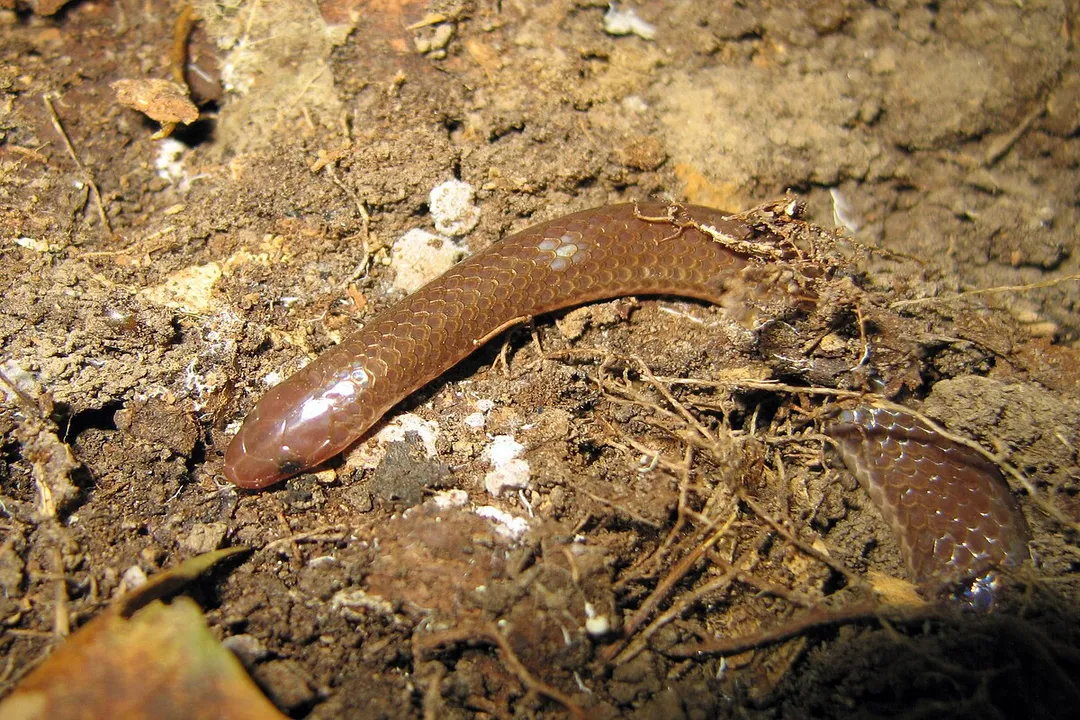
The search for the worm snake is less about looking at a map and more about understanding the soil beneath your feet. These small, secretive reptiles, known for their glossy scales and blunt, shovel-like snout, are masters of disappearing, spending the vast majority of their lives underground. [1][6] Pinpointing their locations therefore requires knowledge of both broad geographical boundaries and the incredibly specific microhabitats they require to thrive. [4]
# Species Distinction
A critical first step in determining where to find a worm snake is understanding that the common name applies to at least two primary species whose ranges are geographically distinct and do not overlap: the Eastern Worm Snake (Carphophis amoenus) and the Western Worm Snake (Carphophis vermis). [2][9] Knowing which species inhabits your region dictates the search area significantly. [9]
The Eastern Worm Snake has a much broader distribution throughout the eastern United States. [1][7] Conversely, the Western Worm Snake occupies a much more confined zone, primarily centered around the Ozark Plateau region of states like Missouri, Oklahoma, Arkansas, and Kansas. [9]
# Eastern Territory
The Eastern Worm Snake (C. amoenus) ranges widely across the eastern half of the United States, extending from southern New England down to Florida and westward into parts of Texas. [1][7] This species is characteristically found across the Atlantic Coastal Plain and the Piedmont regions. [1]
However, simply being within these states is not enough; soil and cover dictate exact population density. In states like New York, for instance, the species is considered rare, generally confined to the southeastern counties where the climate is milder and the soil is conducive to burrowing, typically south of areas that experience prolonged, deep snow cover. [8] Similarly, in Massachusetts, the highest concentrations are often noted in the Connecticut River Valley and the southeastern parts of the state, suggesting a preference for specific geological formations within the broader range. [3] In Tennessee, they are noted across the state, but their fossorial nature means they are rarely seen unless disturbed. [5]
# Western Habitat
The location of the Western Worm Snake (C. vermis) centers tightly around the hilly, forested areas of the Ozarks. [9] If you are in the central US, specifically in the southern tiers of states like Kansas or the northern reaches of Oklahoma, this is the species you are most likely to encounter. [9] Their habitat requirements mirror the Eastern species—they need loose substrate—but their distribution is tightly bound by the specific geological history of that plateau region. [9]
# Soil Specificity
Regardless of whether you are looking for the Eastern or Western species, the defining factor for their location is almost always the ground composition. [1][6] Worm snakes are fossorial, meaning they are adapted for digging and living beneath the surface. [4][6] They are not found in hard clay, compacted soil, or dry sand. [1]
They seek out loose, friable soil rich in organic matter. This preference is directly linked to their diet, as they feed primarily on soft-bodied invertebrates like earthworms and insect larvae, which are easily accessible in moist, loamy earth. [1][6] A dependable indicator of their presence is the presence of cover objects that trap moisture and allow for easy tunneling beneath them. [4] Look for areas with decaying logs, rotting wood, and flat stones that have rested on the ground long enough to create a moist, soft layer underneath. [1][3] If the soil is too tightly packed, even if worms are present on the surface, the snake cannot effectively pursue its prey or create the necessary burrows to hide. [1]
Since these snakes rely on soft substrate for tunneling and prey access, areas with deep, undisturbed forest duff or old-growth deciduous forest floors often offer better prospects than recently disturbed sites. A gardener might notice that established perennial beds with deep mulch and well-rotted compost become accidental worm snake habitats, whereas newly tilled vegetable rows, though rich in worms, are harder for them to navigate initially until the soil settles and softens. This preference for established, moist, loose ground is a key element to understanding where they reside, even within a known county range. [1][6]
# Cover and Moisture Needs
The need for shelter is intertwined with their location. Worm snakes are seldom found out in the open, as they are vulnerable to predators like birds and raccoons. [4] Their daytime locations are nearly always beneath something that provides consistent shade and protection from desiccation. [1]
Rotting wood offers a dual benefit: easy access to tunneling, and a damp microclimate that keeps their primary food source near the surface. [1][6] In areas where rocks are abundant, large, flat stones sitting low to the ground are prime real estate. The underside of these objects stays cool and damp, creating a perfect refuge. [3][7] You will generally not find them high up on rocky outcroppings or dry, exposed slopes. [7]
# Seasonal Location Shifts
The location of a worm snake changes dramatically depending on the time of year and local temperature fluctuations. [1][5] As cold-blooded reptiles, their activity levels are entirely dictated by ambient conditions. [1]
During the active season—typically spring through fall—they occupy burrows just beneath the soil surface or within the top layer of decomposing matter. [5] When the ground temperature drops in the late fall, they move deeper, seeking locations below the frost line or settling into hibernation sites under large logs or deep within established burrows. [1]
For naturalists attempting to confirm a sighting, targeting specific micro-locations during optimal times is critical. Since they are most vulnerable to being found accidentally while moving between foraging patches, the best time to search is usually after a good, steady rain in late spring or early autumn, focusing search efforts not on open lawns but specifically on the edges of woodlands where moisture accumulation is high and where they might be crossing paths or moving between deep cover and foraging zones near established foundations or large, flat rocks. Spotting one on a sidewalk often indicates it was forced out of ideal cover by saturation or is traveling a short distance between two suitable hiding spots.

# Elevation Context
While habitat quality seems to trump precise elevation, a general pattern emerges. Eastern Worm Snakes are frequently noted in the lower elevations of their range, such as floodplains and stream valleys where soil remains rich and moist. [1][7] While they can inhabit forested hillsides, these slopes must still provide the necessary loose, organic soil layers to permit their tunneling behavior. [7]
The distribution maps, whether for C. amoenus or C. vermis, serve as a starting point. To actually locate one, you must translate that broad range into a micro-environment: look for mature woodland, deep leaf litter, abundant soft-rotting wood, and soil that you can easily turn over with a gloved hand. If the ground is hard and dry, the location, regardless of its state or county, is incorrect for this particular secretive species. [1][6]
Related Questions
#Citations
Worm Snake (Carphophis amoenus) - SREL herpetology
Eastern worm snake - Wikipedia
Common Wormsnake (Carphophis amoenus) - iNaturalist
Eastern Wormsnake | Mass.gov
Eastern Wormsnake - TN.gov
Common Wormsnake (Carphophis amoenus) - Indiana Herp Atlas
Eastern Wormsnake - Virginia Herpetological Society
[PDF] Species Assessment for Eastern wormsnake - NY.Gov
Western Wormsnake | Oklahoma Department of Wildlife Conservation