What challenge limits the gathering of early data when studying ancient worm evolution?
Answer
Soft-bodied organisms rarely fossilize well
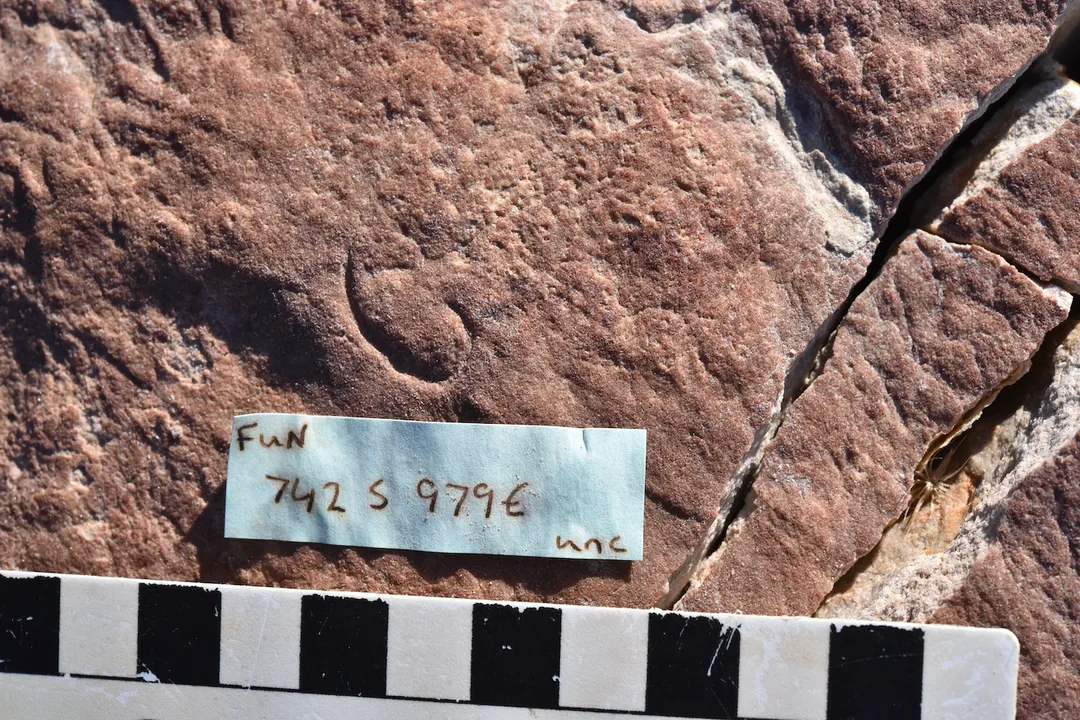
A significant difficulty in tracing the deep history of worms stems from their inherent physical composition. Because they are soft-bodied organisms, they do not generally leave robust fossil records. Consequently, much of the early understanding about their evolution relies heavily on alternative, indirect methods such as molecular clock analysis, or on the study of extremely rare, exceptionally preserved specimens that managed to avoid degradation over vast stretches of time.
Related Questions
What is the designation given to the various forms of worms, considering they are not a strict taxonomic grouping?What challenge limits the gathering of early data when studying ancient worm evolution?What key evolutionary insight do Ancestral Worms in the Marine environment provide regarding bilaterian body plans?What feature allows for efficient peristaltic movement in the elongated, soft body of a wormlike creature?What biological concept explains the recurring phenomenon where unrelated lineages independently evolve the wormlike body plan?What ecological role are earthworms often assigned due to their processing of soil?What factor makes the external shape of a nematode (roundworm) superficially similar to an earthworm (annelid)?What significant challenges did earthworm (Oligochaeta) development innovations address during their transition to land?How do earthworms fundamentally alter the physical and chemical properties of soil they inhabit?What do new studies utilizing genomic data on earthworm genetics currently help to clarify?When tracing the roots of many animal phyla, including the worm lineage, what is identified as the common starting point?