What is the primary prey difference reflecting the ontogenetic diet shift in *B. jararaca*?
Answer
Juveniles favor frogs (ectothermic) while adults overwhelmingly target small mammals (endothermic).
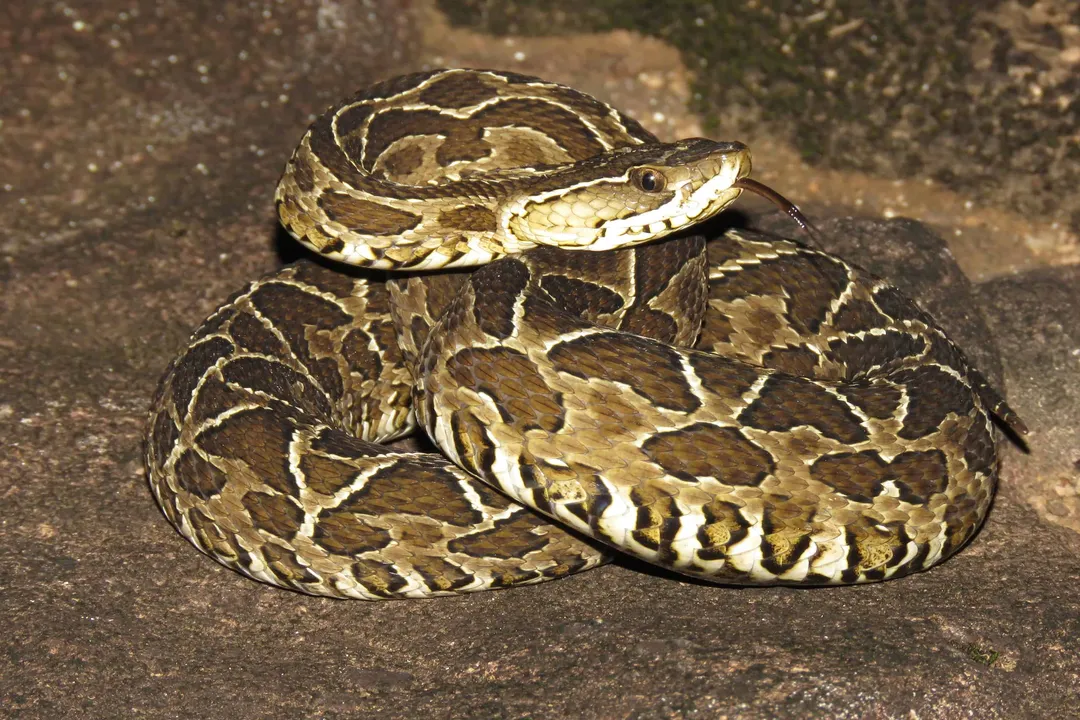
The ecological roles between juvenile and adult *B. jararaca* are marked by a significant ontogenetic shift in diet. The younger snakes primarily consume ectothermic prey, showing a strong reliance on frogs, which can constitute approximately 75% of their dietary intake, supplemented by various arthropods. As these snakes mature, their dietary preference undergoes a near-complete transition towards endothermic prey. Adult specimens predominantly rely on small mammals, particularly rodents, which are estimated to make up around 80% of their total food consumption, indicating a specialization for higher energy content prey as they grow.
Related Questions
What peptide isolated by Sérgio Henrique Ferreira led to the development of ACE inhibitors for hypertension?Which behavior utilizes the white tail tip by juvenile *B. jararaca* to attract prey?What is the primary prey difference reflecting the ontogenetic diet shift in *B. jararaca*?What is the most abundant major component quantified in the venom composition of *B. jararaca*?What specific pattern often seen along the spine distinguishes *Bothrops alternatus* from *B. jararaca*?In the reproductive cycle of *B. jararaca*, when does parturition (live birth) typically occur?Which gender of *B. jararaca* exhibits greater potency regarding hemorrhagic and hyaluronidasic venom activities?What distinctive physical characteristic is typically found on the tail tip of juvenile *B. jararaca* specimens?What classification does the IUCN Red List currently assign to *Bothrops jararaca*?Which enzyme found in *B. jararaca* venom has been clinically applied as an antihemorrhagic drug?Where is *Bothrops jararaca* endemic, spanning southern Brazil into which two other countries?Which activity associated with venom potency is greater in male *B. jararaca* venom compared to female venom?