What are some cool facts about moths?
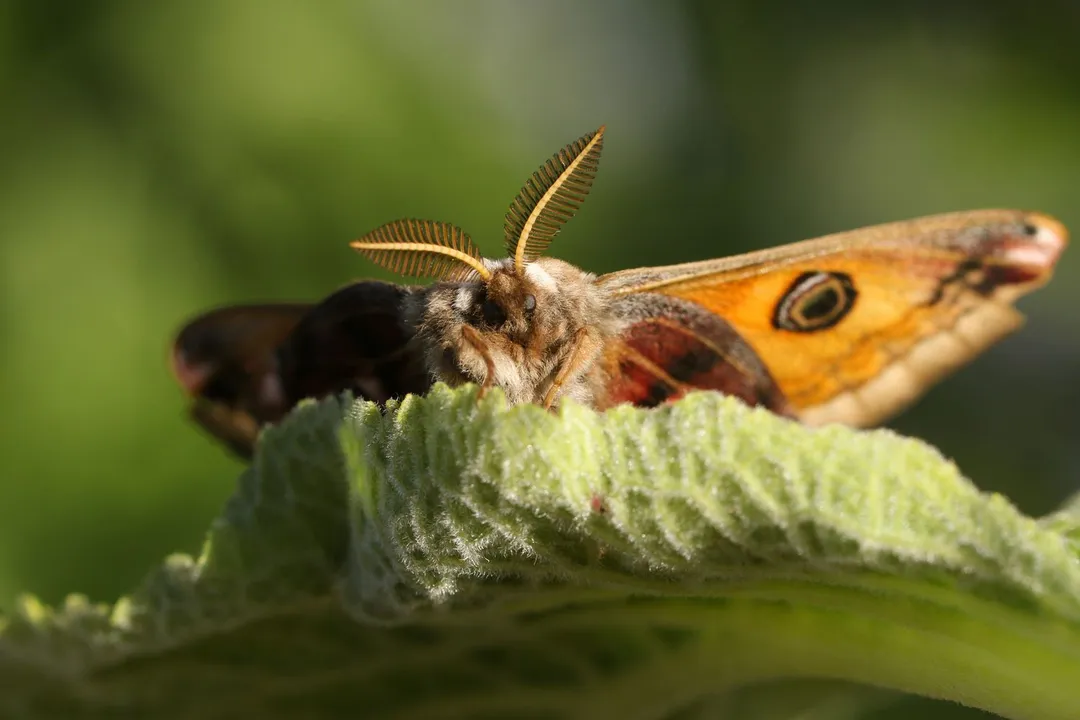
The world of moths is vast, significantly outnumbering their more famous butterfly cousins; for every one butterfly species identified, there are perhaps ten moth species, leading to estimates that place the total number of moth species well over 160,000 worldwide. [5][7] This immense variety means that while we might picture a drab, nighttime flier, the reality is an astonishing collection of shapes, sizes, and behaviors. [9] Many people incorrectly assume all moths are strictly nocturnal, but this isn't true; while the majority are active after sunset, a good number of species are perfectly happy flying around in broad daylight, behaving much like butterflies. [7]
# Size Spectacle

When considering scale, some moths are truly giants of the insect world. The Madagascan Comet Moth, for example, is one of the largest known moths, boasting an enormous wingspan that can reach nearly a foot across. [1] Another impressive specimen is the Atlas moth, which can achieve a wingspan of up to ten inches. [2] However, this diversity extends to the microscopic as well, with many species being tiny, easily overlooked creatures. It's worth noting that the sheer diversity in size reflects their varied ecological niches across the globe. [9]
If you've ever held a large moth gently, you've likely felt a fine powder come off on your fingers. This "dust" is actually composed of thousands of minute, overlapping scales that cover the wings, giving them their color and pattern. [7] A single wing of a large moth can be adorned with over 100,000 of these tiny structures. [2] The arrangement and structure of these scales are what create the intricate, often cryptic, patterns we admire, allowing some species to look exactly like tree bark or dead leaves when resting. [6]
# Distinct Features
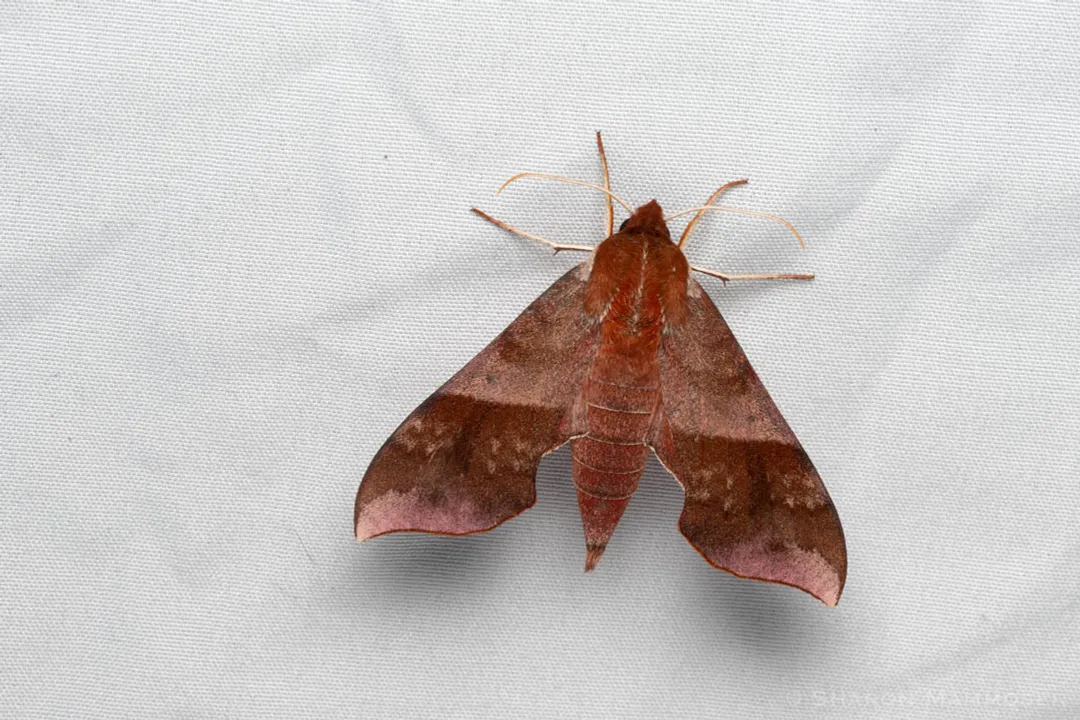
Moths and butterflies, both belonging to the order Lepidoptera, share a common ancestry, but they have evolved several physical characteristics that allow for easy distinction, assuming you can observe them closely enough. [9]
The most immediate difference many observers focus on involves the antennae. Butterfly antennae terminate in a distinct club or knob at the tip, while moths generally have antennae that are either slender and thread-like or, more commonly and notably, feathery or comb-like, especially in males. [7][9] These elaborate, feathered antennae are highly specialized olfactory organs, allowing male moths to detect pheromones released by females from great distances—sometimes miles away—making scent detection their primary tool for finding a mate. [7]
Wing posture when at rest also provides a clue. Butterflies typically perch with their wings held vertically and pressed together over their backs. Moths, conversely, usually rest with their wings spread out flat, laid back over their bodies in a tent-like fashion, or even folded tightly along their backs, resembling dead foliage. [7][9] Furthermore, adult moths tend to have stockier, hairier bodies compared to the generally more slender, less hairy bodies of most butterflies. [9]
One truly bizarre adaptation seen in some moths involves wing transparency. The aptly named Glasswing moth possesses wings that are almost entirely clear, a condition achieved because the scales are either absent or structured in such a way that light passes right through them rather than reflecting off them. [1] This unusual feature aids in camouflage, making the insect difficult for predators to spot against a varied background.

# Life Cycle Curiosities
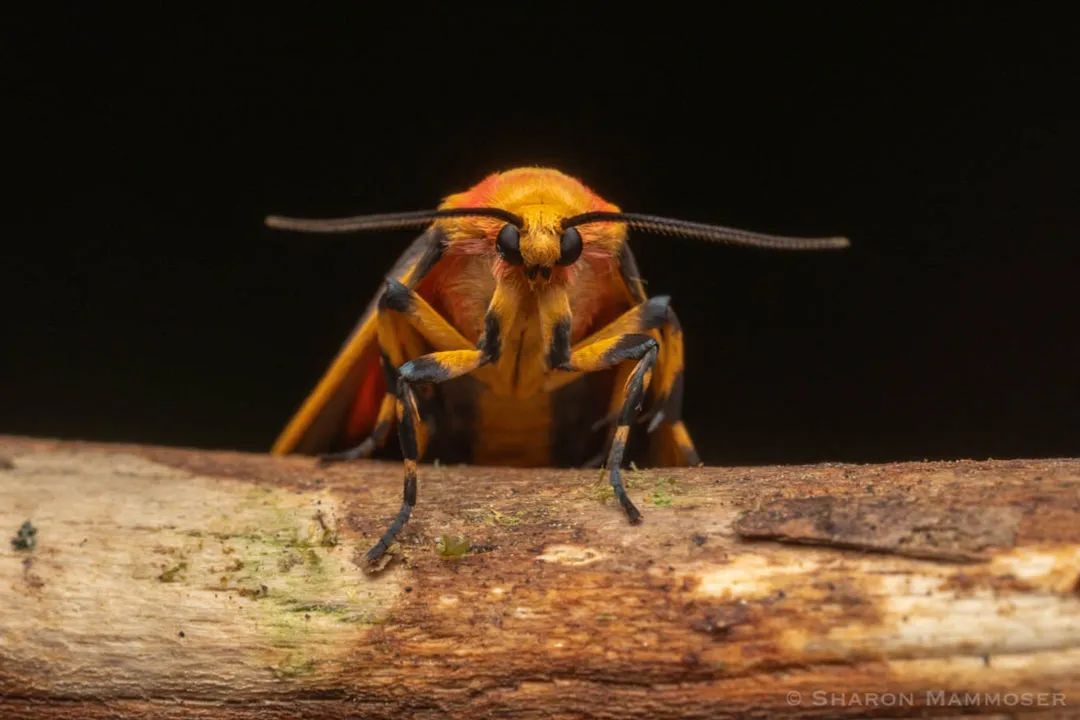
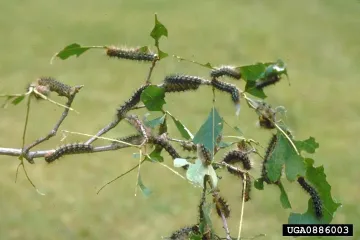
The larval stage of moths, the caterpillars, are famous for their voracious appetites, acting as significant herbivores that shape plant communities. [8] However, some adult moths have taken the concept of "living fast, dying young" to an extreme. Several species, particularly large silkmoths, undergo a radical life change where they entirely forfeit the ability to eat as adults. [6][7] These adults emerge from their cocoons with no functional mouthparts or digestive systems, meaning their entire purpose for existence is to mate and lay eggs before their stored energy reserves run out. [1]
Considering their commitment to reproduction, it’s fascinating how some species manage to find food for the larval stage while the adults focus solely on mating. For instance, knowing that a local patch of milkweed is critical for monarch butterflies is common knowledge, but for moths, understanding their specific host plants is even more crucial for conservation efforts, as their needs can be incredibly specialized. [8] A simple check of common garden weeds versus cultivated ornamentals can sometimes reveal local moth activity you weren't aware of; for example, if you notice ragged holes in the leaves of Nicotiana (tobacco) plants, it’s often the work of a hawk moth caterpillar, an adult of which might be mistaken for a hummingbird during its feeding flights. [2]
# Defense Mechanisms
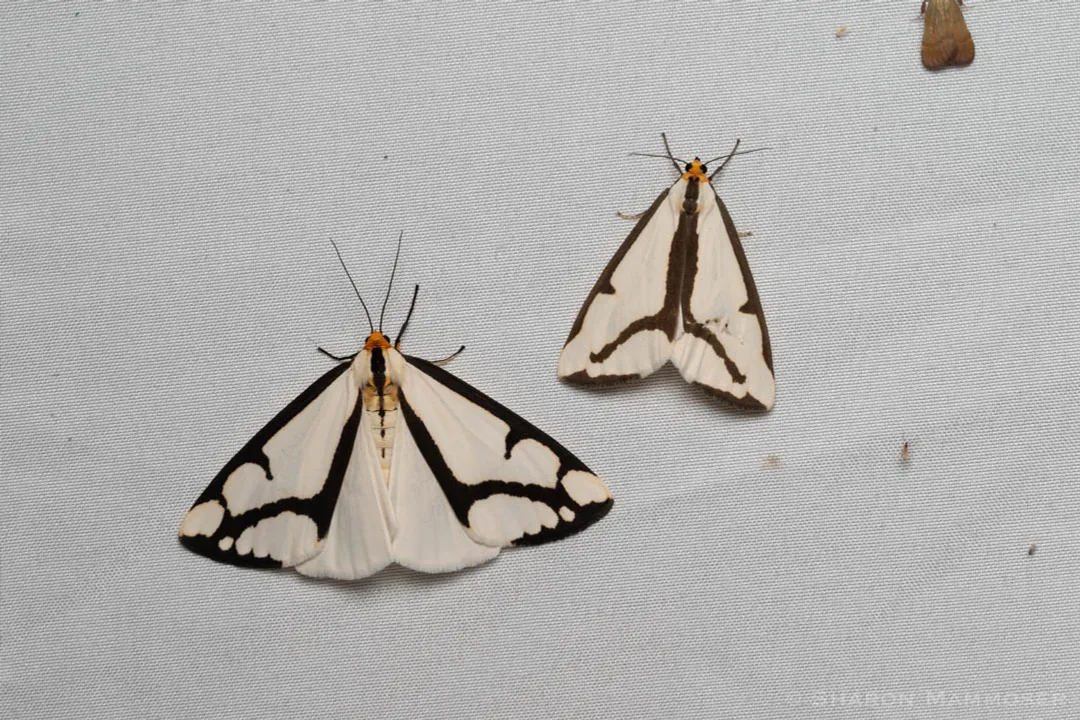
Survival in the world of night-flying insects demands excellent defense strategies, and moths have developed some truly wild adaptations against predators, particularly bats. [6]
# Echolocation Evasion
One of the most scientifically compelling facts involves sound. Bats hunt using echolocation, emitting high-frequency clicks to navigate and target prey. Many species of moths have evolved specialized structures on their abdomens that act as "ears," capable of detecting these ultrasonic signals. [6] Once a bat’s sonar is detected, the moth doesn't just fly away; some species actively engage in erratic, evasive maneuvers or even crash-land immediately to escape the impending sonic lock-on. [6] Even more astonishing, some moths can generate their own ultrasonic clicks. This is believed to serve as a form of jamming—a way to confuse the bat’s sonar system, effectively making the moth appear as noise rather than a clear target. [6] This acoustic arms race between predator and prey provides an ongoing masterclass in evolutionary pressure.
# Visual Deception
Beyond acoustics, visual deception is common. Camouflage is king for many, helping them vanish against tree bark or foliage. [6] Others take a riskier strategy: mimicry. Certain moth species have evolved coloring and body shapes that make them look strikingly similar to unappetizing insects, like wasps or even spiders, deterring a potential predator from taking a bite. [6]
A rather niche, albeit less common, fact shared by enthusiasts relates to hydration. Some moths, such as certain tropical species, have been observed engaging in a behavior called "lachryphagy"—drinking tears from sleeping animals, including mammals like birds or even larger creatures like tortoises. [6] While the exact nutritional benefit compared to standard nectar feeding isn't always clear, this behavior suggests they are extracting vital salts and nutrients not readily available elsewhere. [6]
# Key Pollinators
While bees often get the spotlight for pollination services, moths contribute significantly to ecosystem health, especially concerning night-blooming plants. [3] Nocturnal flowers often evolve pale colors and strong, sweet fragrances specifically to attract moths, as they are the primary pollinators available after dark. [8] For example, many varieties of white or pale flowers that release their fragrance only after dusk are relying heavily on moth visitors to ensure their seeds mature. [3] The role of the moth in these specialized pollination syndromes is absolutely critical; without them, these night-blooming species might fail to reproduce successfully. [8]
If you are looking to support local moth populations, one actionable step involves rethinking nighttime yard lights. While moths are naturally drawn to light sources, this attraction can be fatal, leading to exhaustion or exposure to predators like frogs and spiders waiting nearby. Swapping bright white or blue-spectrum bulbs for yellow-spectrum, low-intensity "bug lights" can significantly reduce unintended moth attraction without sacrificing necessary nighttime visibility around your home. [8] This small change allows nocturnal flyers to go about their business of feeding and pollinating without the constant, disorienting draw of artificial light. [8]
Another point to consider for local gardeners involves cocoon placement. When cleaning up garden beds in the fall, be mindful of leaf litter and debris, as many moth pupae spend the winter tucked away in these protected layers. [4] Disturbing this debris can accidentally destroy the next generation of beautiful flyers. Leaving a few messy corners in your garden can directly support local insect biodiversity, offering essential overwintering habitat that might otherwise be lost to overly tidy landscaping practices. [4]
Related Questions
#Citations
What is your coolest moth fact? - Reddit
10 Fun Facts About Moths, and Some Photos That May Blow Your ...
5 Cool Things You Didn't Know About Moths (But Should!)
Moth Facts - Ducks Unlimited Canada
What are some interesting facts about moths? - Facebook
8 Mesmerizing Facts About Moths - Treehugger
Moths | Smithsonian Institution
A Few Fun Facts About Moths - Melinda Myers
The weird and wonderful world of moths - Butterfly Conservation