What are some interesting facts about Eryops?
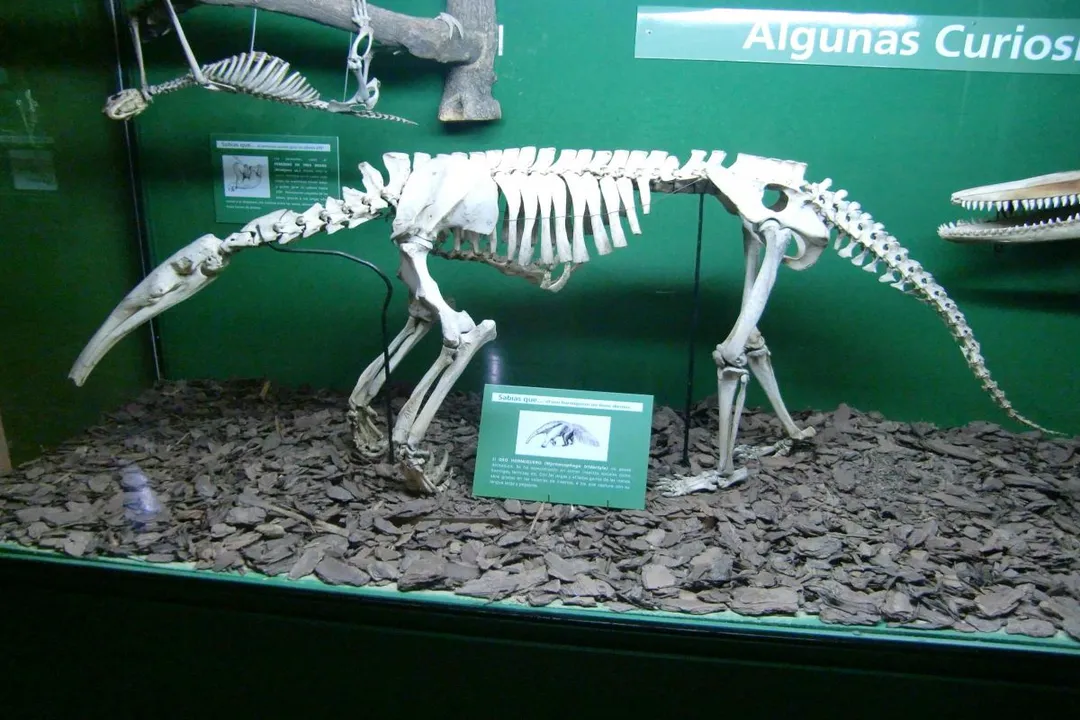
The fossil record frequently unveils creatures so strange they seem drawn from pure imagination, and Eryops certainly qualifies as one of Earth’s weirder early residents. This extinct amphibian roamed the swamps and lowlands millions of years before the dinosaurs rose to prominence, offering a fascinating glimpse into the very early diversification of life moving onto land. It wasn't a reptile, nor was it a fish, but a substantial tetrapod, representing an evolutionary step that solidified the vertebrate foothold in terrestrial ecosystems, even if it remained tied to the water's edge. [1][7][4]
# A Name Meaning
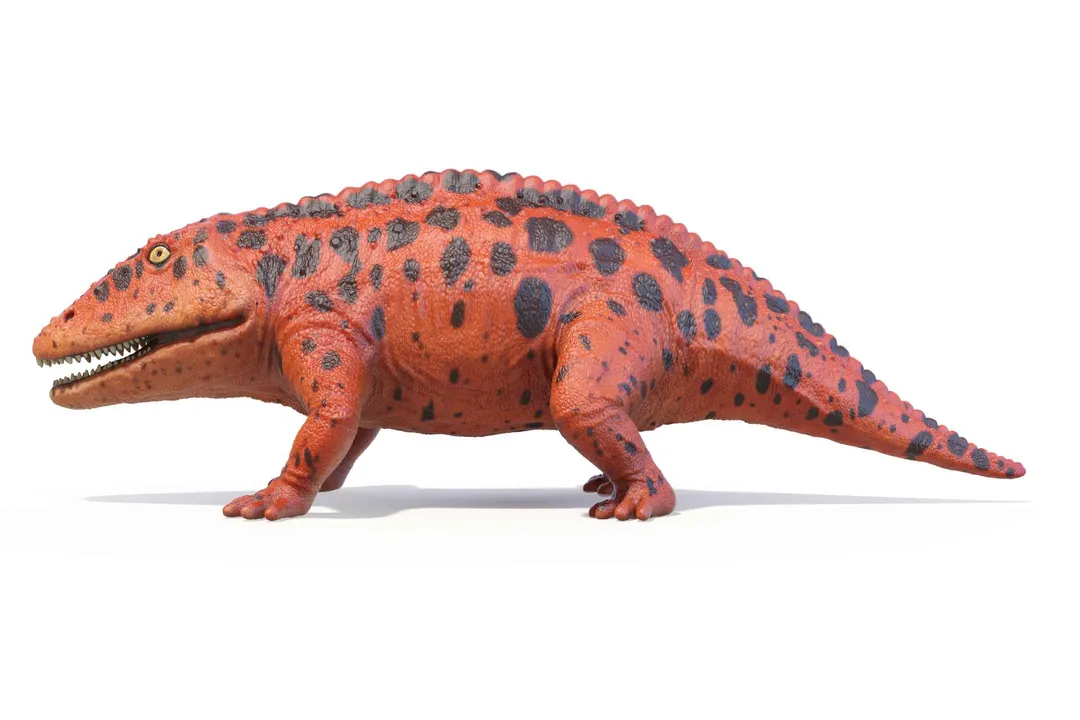
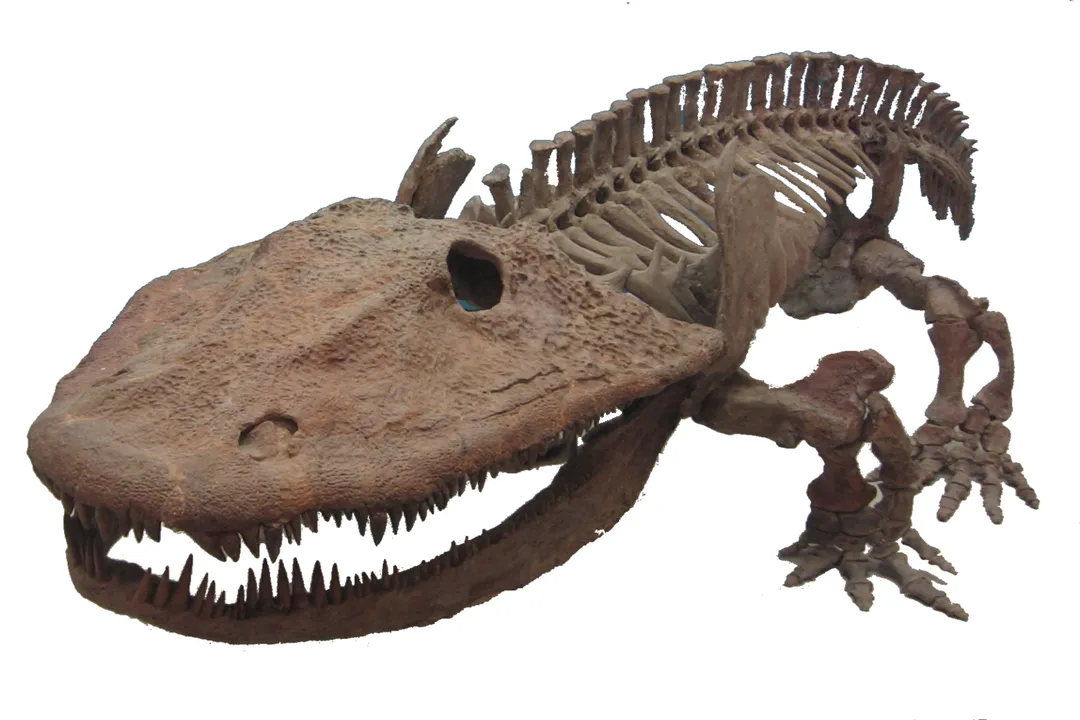
The name Eryops itself is quite descriptive of its physical appearance, at least from a paleontologist's perspective. It is derived from Greek words that translate roughly to "drawn-out face" or "long face". [1][7][4] While perhaps not the most flattering description, it accurately points to the creature’s most prominent feature: its broad, somewhat elongated skull structure. [4] Understanding the names given to these ancient animals often provides the first key to unlocking their morphology. [1]
# Size Stature
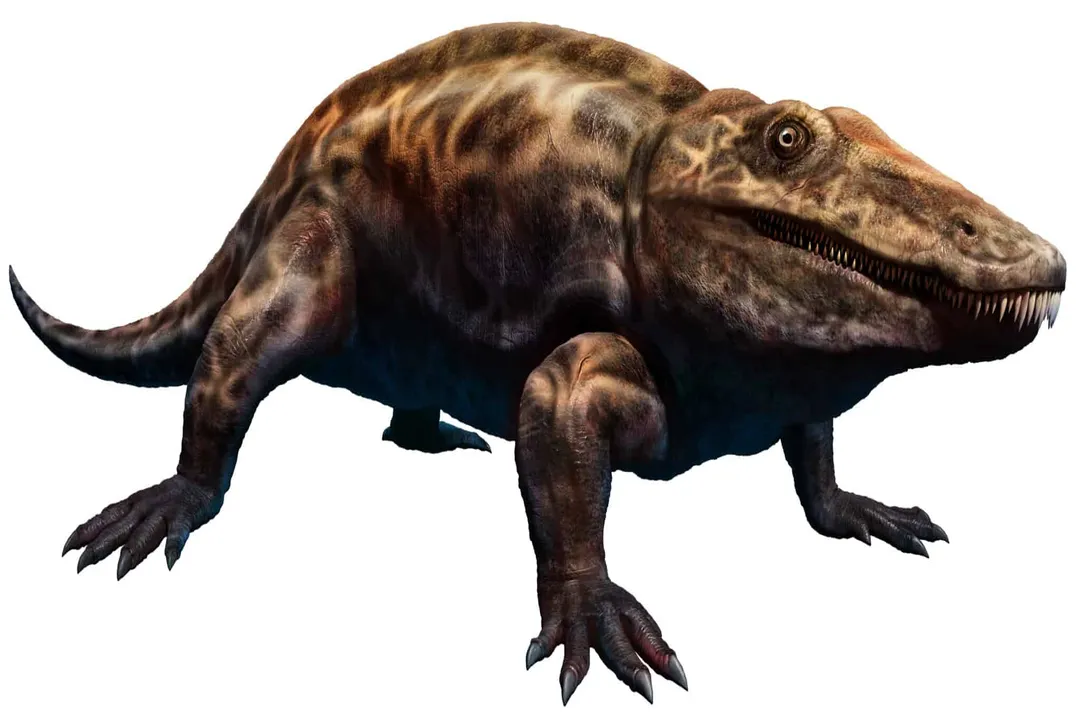
When we think of large amphibians today, we might picture a hefty bullfrog or perhaps a large salamander, but Eryops operated on a much grander scale. This was a truly robust amphibian. [4] Estimates suggest individuals could reach lengths of up to 6 feet, or approximately 1.8 meters. [1][7][4] Some figures even push its maximum potential length toward 9 feet, though the commonly cited size centers around the 6-foot mark. [1] To put that size into perspective, a creature weighing around 330 pounds (about 150 kilograms) would certainly command respect in its environment. [4] Imagine a low-slung, stout animal comparable in sheer mass to a modern, large sea lion, but built for slow movement across muddy shores rather than sleek swimming—that gives a better sense of the animal’s physical presence. [4]

# Permian Habitat
Eryops existed during the Early Permian period, placing its reign roughly between 295 and 272 million years ago. [1][3][4] This was a time when the supercontinent Pangaea was fully formed, and the global climate was transitioning from the humid Carboniferous swamps to drier conditions, although Eryops's preferred habitat remained decidedly wet. [4] Fossils have been uncovered in North America, primarily in regions that are now Texas and Oklahoma. [1][3][4] The environment it navigated was likely characterized by extensive lowlands, sluggish rivers, and swamps. [4] These conditions would have provided ample aquatic cover and a steady supply of food, which was essential for such a large, relatively slow-moving predator navigating seasonal environmental stresses. [4]
# Body Design
The physical structure of Eryops speaks volumes about its ecological niche. It had a very low-slung, heavy body supported by limbs that, while capable of moving it across land, were short and stocky. [4] These limbs, characteristic of early tetrapods, suggest that fast, sustained terrestrial locomotion was unlikely to have been its strong suit. [4] It was certainly adapted for movement both on land and in water, a common trait for amphibians of that era, but its morphology suggests a stronger affinity for the aquatic realm. [4]
Its skull was broad and heavy, a solid platform for powerful jaw muscles. [4] Unlike many modern amphibians, which rely on suction or quick swallowing, Eryops possessed prominent teeth. [4] These teeth were generally uniform in size, though the pattern of wear and replacement suggests a lifetime of catching and gripping slippery prey. [4] When examining its skeletal structure, one can deduce that Eryops was not built for speed across open ground; rather, its stout build implies that it was likely an ambush predator, relying on water to support its bulk while waiting for fish or smaller terrestrial vertebrates to wander close enough to the water's edge to be snatched up in a sudden lunge. [4] This strategy, where the animal uses the water for buoyancy and cover while using its heavy skull as a weapon, is a recurring theme in successful large aquatic predators, even millions of years later. [4]

# Diet Lifestyle
As a carnivore, Eryops enjoyed a varied diet suitable for its environment. [4] Given its size and aquatic leanings, fish would have formed a significant component of its meals. [4] However, the capability to move onto land, however sluggishly, meant it could also opportunistically feed on smaller land animals that ventured near the water’s edge. [4] The heavy skull and powerful bite were essential tools for subduing prey, which was likely swallowed whole or in large chunks, much like modern crocodilians. [4] Living in the swampy Permian world meant constantly dealing with the risk of drying periods; thus, the ability to burrow into mud or remain submerged for long stretches would have been a critical survival mechanism for this large amphibian. [4]
# Confusion Points
Paleontology is filled with creatures that sound similar, and Eryops is no exception, often leading to mix-ups in popular discussion or less rigorous historical texts. [7] It is important to keep this sturdy amphibian separate from other similarly named but biologically distinct creatures. [7] For instance, it is frequently confused with Erythrosuchus, which was a crocodile-like reptile, or Erythrosaurus, which was a reptile entirely separate from the amphibian lineage. [7] Furthermore, though appearing in media like the documentary series Walking with Monsters, it remains distinct from the iconic reptiles and dinosaurs that followed it in the fossil record. [2] Recognizing these distinctions is key to appreciating Eryops for what it was: a successful, large member of the early tetrapod group known as Temnospondyls, dominating the watery landscapes long before the Mesozoic Era began. [1][7] Its existence underscores the early evolutionary pressures that shaped vertebrates moving out of the sea and onto the continents. [4]
Related Questions
#Citations
Eryops - Wikipedia
Eryops megacephalus - A-Z Animals
Eryops - Jurassic Park Institute Wiki - Fandom
Eryops - Furman University
Eryops megacephalus early tetrapod species - Facebook
Eryops | Carboniferous Period, Permian Period, Aquatic - Britannica
Eryops Facts for Kids
Answer Monday! | National Center for Science Education
Eryops by D.W. Miller. Hailing from what is now Texas in the early ...