What are some fun facts about the Catahoula?

The Catahoula Leopard Dog is a breed deeply tied to the American South, specifically the swamps and terrain of Louisiana, from which it takes its name. While they possess a striking visual appeal that catches the eye—often leading to their nickname "America's Most Colorful Secret"—their history is rooted firmly in rugged utility, demanding a unique partnership with their owners. This dog is a compilation of necessity, developed over centuries to handle demanding tasks in challenging environments.
# Louisiana Heritage
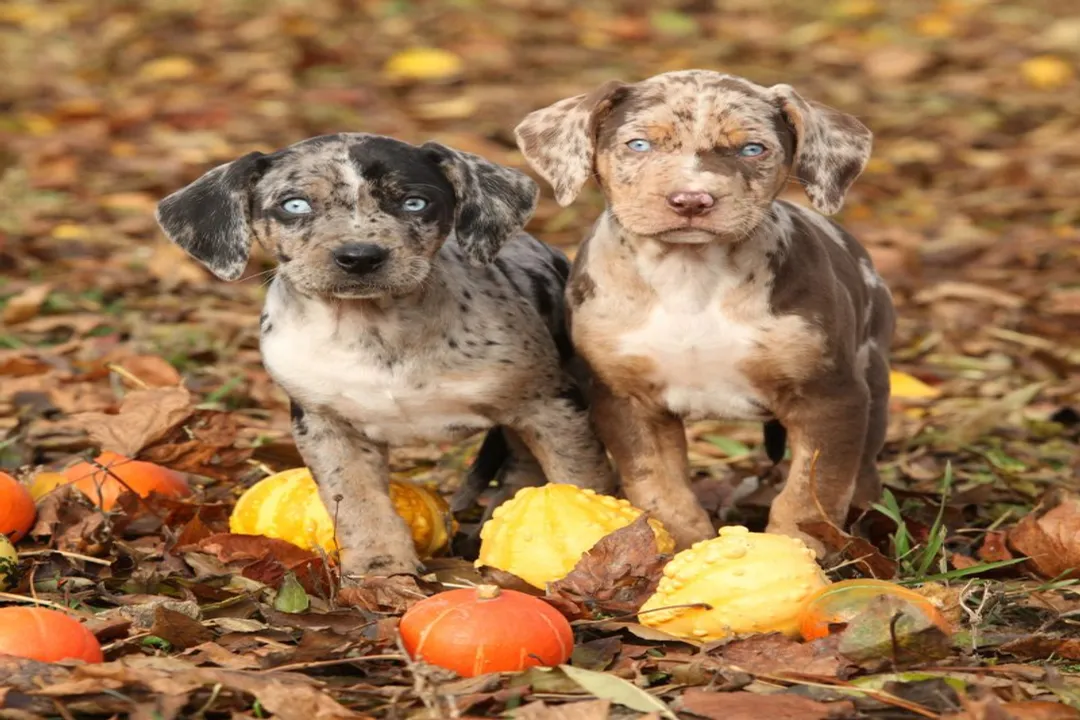
The breed's identity is inseparable from its home state. In 1979, the Catahoula Leopard Dog was officially designated the State Dog of Louisiana, an honor reflecting its deep historical roots in the region. The name itself is believed to have derived from Catahoula Parish, Louisiana. Furthermore, the word "Catahoula" is thought by some to originate from the Choctaw term Okata Hok Hula, which translates roughly to "sacred lake". This historical connection is why they are frequently referred to as the Louisiana Catahoula Leopard Dog. Even today, they symbolize the rich cultural heritage of Louisiana.
# Lineage Mix
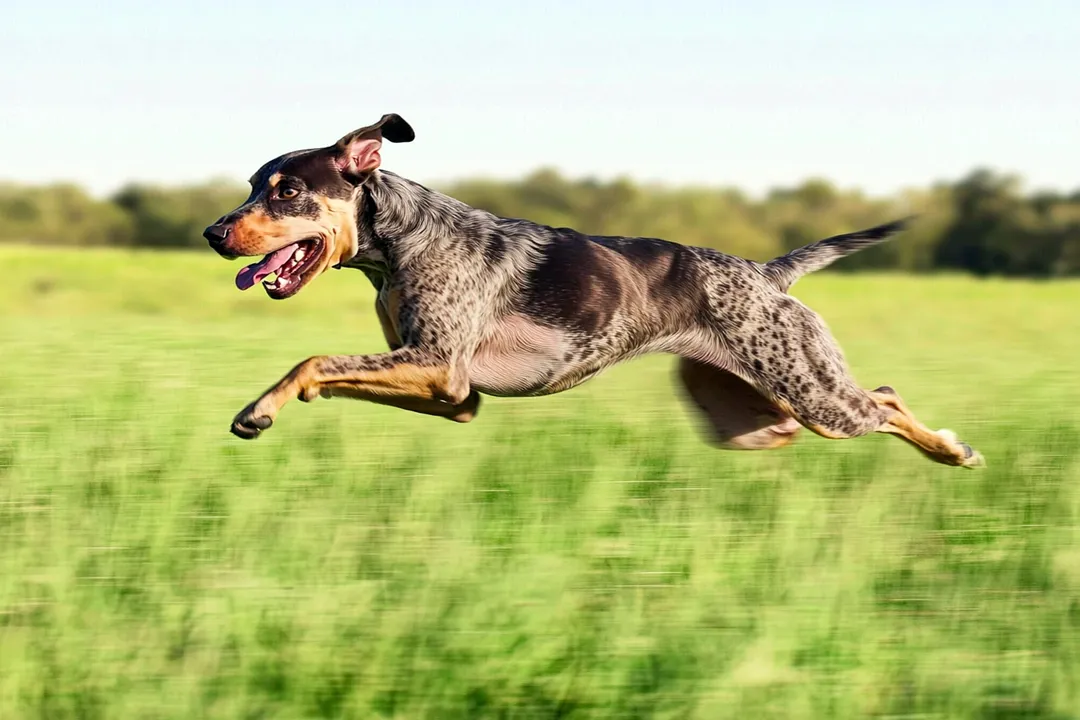
The exact makeup of the Catahoula’s ancestry is somewhat enigmatic, a genuine product of the early American frontier where adaptable dogs were essential. Historians suggest that the foundation of the breed lies with the wild dogs kept by the Native American peoples in the area. When Spanish explorers, like Hernando de Soto arriving in 1539, came through, their European hounds—possibly including breeds like Greyhounds, Bloodhounds, and Mastiffs—were introduced and crossed with the native canines. The resulting dogs were noted by de Soto’s scribes to look like wolves but bark like dogs. Later crosses, possibly involving French hounds, cemented the look of the modern breed. This complex heritage results in a dog that is exceptionally versatile and resilient, traits necessary for survival and work in the Louisiana wilderness.
# Working Roots
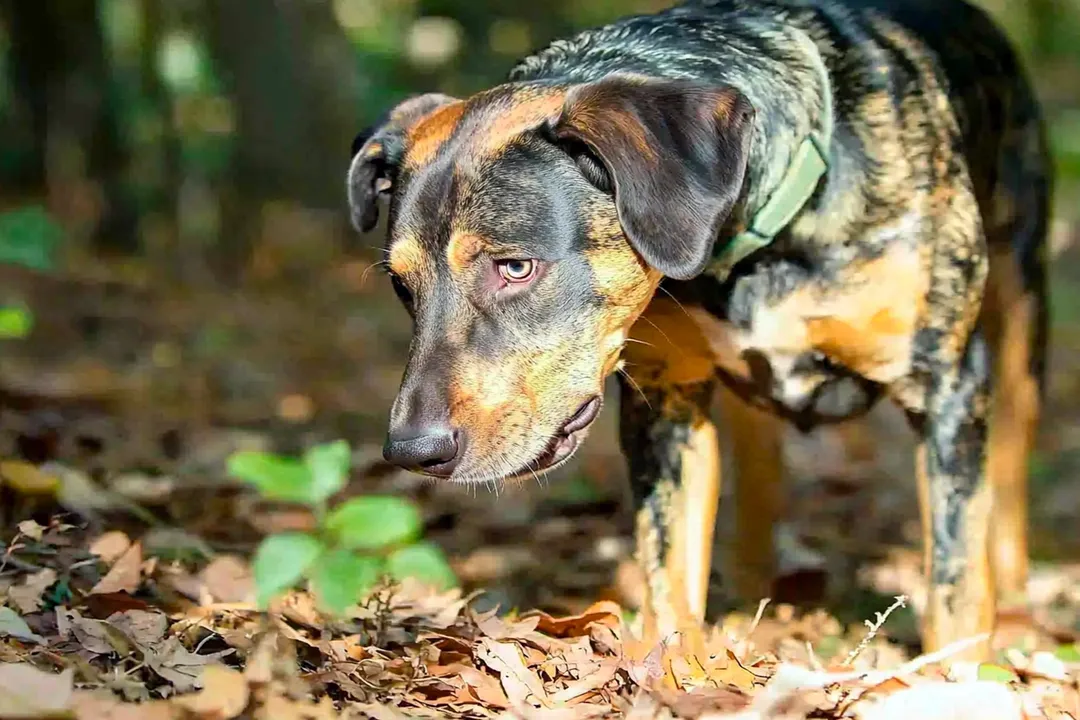
The primary function for which this breed was developed explains much about its character. The alternate name, Catahoula Hog Dog, directly references their original purpose: hunting and corralling wild hogs that overran the settlements established by early white settlers in Louisiana. These dogs needed to track prey independently, corner dangerous animals like wild boar, and manage large herds of cattle across wide territories. This work necessitated several key physical and mental attributes that persist today. For example, their legendary resilience allowed them to thrive in the harsh environments of the swamps and bayous where they were employed. Their ability to work independently, rather than relying on constant direction, is a direct reflection of a dog that might track prey miles away from its handler. This history of working with tough game, like wild Brahman cattle in Venezuela, has instilled a fearlessness and strong enforcement power in the breed.
# Mottled Marks
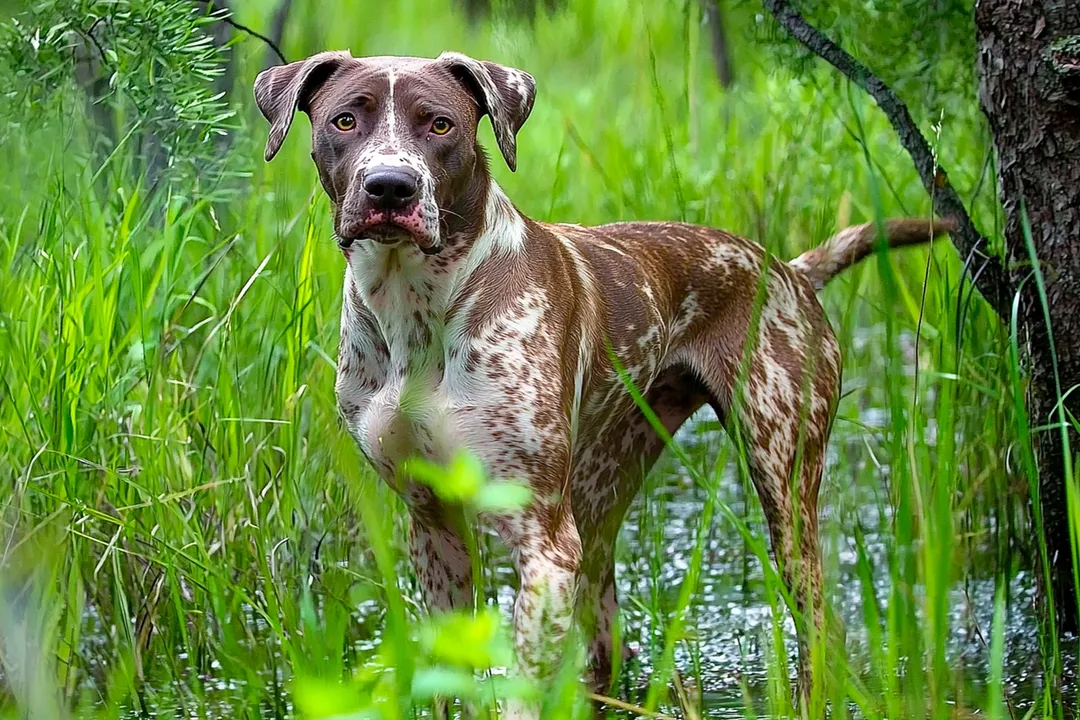
The "Leopard" in the name refers to the most striking visual characteristic of many dogs in the breed: a mottled, spotted, or marbled coat. This unique coloring is the result of the merle gene. However, it is important to note that not every Catahoula displays this leopard pattern; the breed comes in a wide array of colors and patterns, including solid black, yellow, red, and brindle. This variation in appearance is further complicated by the historical existence of three main breed lines, which have since been interbred extensively.
# Lineage Mix
For a time, the breed was generally categorized into three distinct lines, each with slight variations in size and color preference. The Wright line, credited to Preston Wright, typically produced the largest dogs, sometimes reaching around 100 pounds. Lovie Fairbanks developed the Fairbanks line, characterized by dogs around 70 pounds, often appearing in brindle or yellow. The smallest lineage was the McMillan line, averaging about 55 pounds, which is often cited as the origin point for the breed's characteristic glassy blue eyes. The frequent mixing of these lines over the years contributes to the wide spectrum of appearances seen in Catahoulas today.
# Striking Eyes
Beyond the coat, the eyes are a signature trait of the Catahoula Leopard Dog. They can range in color from brown to amber to blue, and it is very common to see heterochromia—where each eye is a different color—in a single dog. Some owners also report a mesmerizing, "cracked glass" appearance, which gives their gaze a unique, glassy look. This expression is often described by owners as being incredibly intelligent, alert, and sometimes even "human-like". When a dog carries a predominantly white face, a single blue eye can be an arresting sight, sometimes described as just one bright orb peering out from the dark.
# Swamp Paws
While the coat and eyes are highly visible, a less obvious, but crucial, physical feature are their webbed feet. Catahoulas possess more pronounced webbing between their toes than is typical for many other breeds. This adaptation was vital for their original work in the soggy, boggy terrain of Louisiana's swamps and marshes, allowing them to traverse soft ground and water with greater ease. This physical characteristic makes them natural and exceptional swimmers, a bonus for any owner who enjoys water-based activities with their dog. It is this deep, physical connection to the environment that shaped the dog: their structure was built for the Louisiana landscape and the tasks required there.
# Dog Status
Despite their long history and status as a working icon in Louisiana, the Catahoula Leopard Dog has not achieved full recognition with the American Kennel Club (AKC). They have been included in the AKC’s Foundation Stock Service (FSS) since 1996. The FSS program is designed to help breeds continue to develop while maintaining reliable records, working toward full recognition. Interestingly, the breed has been assigned to the Hound Group by the AKC, although some sources also note it is designated in the Herding Group, highlighting its multi-purpose nature.
# Temperament
The Catahoula's personality is a study in contrasts, driven by its working history. They are described as fiercely loyal and affectionate with family once they recognize their place within the pack structure. However, this loyalty often comes with a strong protective streak, making them naturally vigilant watchdogs who can be reserved or cautious around strangers. They are generally considered independent, stubborn, and goal-oriented. This independence is rooted in their need to make split-second decisions while herding or hunting without waiting for a command. They require an owner who can establish themselves as a firm and consistent leader. If the dog does not perceive the owner as the sovereign leader, the Catahoula may decide for itself what the priorities are, which can lead to difficulties.
# Owner Demands
Because of this strong will and independence, the Catahoula is widely considered a breed best suited for experienced owners rather than novices. They are not recommended as a pure family, house, or yard dog because their inherent working drive needs an outlet. Owners must be prepared for the commitment of consistent leadership; applying unnecessary harshness often results in counter-pressure from the dog. An important consideration for prospective owners is that Catahoulas are often late developers, sometimes establishing new character traits as late as three years old, meaning patience is required well into adulthood. They demand a human who can clearly assess situations and provide security through decisive, yet friendly, guidance.
# Energy Needs
This breed is a high-energy powerhouse that absolutely requires significant physical and mental stimulation daily. They thrive when given a job, whether that job is actual work or fulfilling structured activities like dog sports. Without sufficient outlets, their high drive and energy manifest as undesirable behaviors such as destructive digging, chewing, or other self-made projects to occupy their minds. Owners have noted their intense drive to destroy standard plush toys, often finding that very hard rubber toys, like Kongs or even actual tires, stand up better to their jaws. If you are an active person who loves hiking, swimming, or engaging in structured dog sports, this breed will eagerly keep pace. A key to success with this breed is recognizing that fulfilling their working needs is the fastest path to achieving a happy, calm family dog; if the brain isn't tired, the body will look for mischief.
# Herding Style
One of the more unique aspects of their working history involves how they manage livestock. Unlike some herding breeds that rely on an intense stare or "eye" to move animals, Catahoulas employ a distinctive method known as the "canine wall" technique. They skillfully circle livestock, using calculated movements to guide the herd or drive animals toward a desired location or pen. This method demonstrates a high level of tactical intelligence that allowed them to work large, open areas independently.
# Sled Racing
While their Louisiana origins suggest hot, swampy climates, the Catahoula’s inherent drive, power, and endurance have proven surprisingly transferable to colder activities. In Canada, Catahoulas have successfully taken on the role of sled dogs, competing in races against more traditionally known breeds like Huskies. This crossover success speaks volumes about their raw physical capability and determination when they are focused on a goal.
# Health Notes
As a naturally bred working dog, the Catahoula is generally robust, but potential owners should be aware of a few genetic considerations. Due to the gene responsible for their merle coloring, they can have a higher predisposition toward congenital deafness, especially dogs with extensive white or merle patterning. Responsible breeders utilize genetic testing to mitigate this risk. Other health issues occasionally reported include concerns like hip dysplasia and general eye problems. Monitoring weight is also important, as like many breeds, they can be prone to becoming overweight if calorie consumption is not managed alongside their high activity levels.
# In Media
This captivating breed hasn't just worked on farms; it has also captured the imagination of fiction writers. Catahoula Leopard Dogs have been featured in popular culture, including being central to a plot in a Veronica Mars episode and appearing in Charlaine Harris’s Sookie Stackhouse Mysteries (though sometimes omitted in the True Blood television adaptation).
# Beyond the Dog
It's worth noting that because the breed is not as widely recognized as established show breeds, the term "Catahoula Leopard Dog" can sometimes encompass a wide spectrum of dogs whose ancestry isn't strictly standardized. Prospective owners should always seek breeders who are transparent about lineage, health testing, and the temperament profiles of the dogs they produce, as documented breed lines (like the historical Wright, Fairbanks, and McMillan lines) suggest a significant genetic diversity still exists within the population. If you are considering one of these powerful animals, understanding that you are acquiring a highly capable, thinking partner, rather than simply a pet that exists to please, is the first step toward a successful relationship. Their intelligence means they are always thinking; your job is to make sure their thinking aligns with yours, ensuring that their strong protective nature and high prey drive are channeled into acceptable activities like advanced training or competitive sports rather than becoming a source of conflict in the home.
#Videos
Catahoula Leopard Dog - Top 10 Facts
Related Questions
#Citations
10 Cool Facts About Catahoula Leopard Dogs
9 Facts About Catahoula Leopard Dogs
10 Things You Didn't Know About the Catahoula Leopard ...
Catahoula Leopard Dog - Dog Breed Information
Catahoula – Interesting facts about a challenging dog breed
Catahoula Leopard Dog - Top 10 Facts
15 Fascinating Facts About the Catahoula Leopard Dog
Catahoula Leopard Dog Facts
Parenting a Catahoula Leopard Dog: Traits and Challenges