Yarara Facts
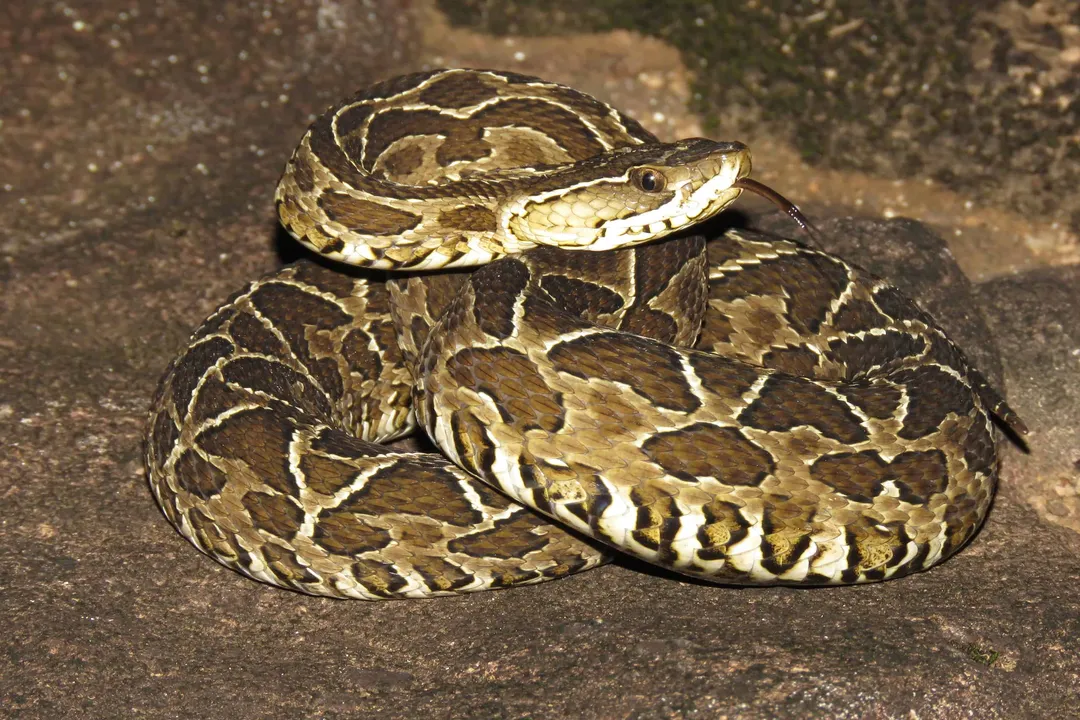
The term Yarara often conjures images of a highly significant South American pit viper, primarily referring to Bothrops jararaca. This species is endemic to a specific, rich ecological area, spanning southern Brazil, extending into northeastern Paraguay, and reaching northern Argentina, particularly the Misiones province. While the name can sometimes be applied more broadly to other Bothrops species, such as Bothrops alternatus (the Urutu or Yarará Grande), B. jararaca is the one most deeply studied for its medical contributions. Found across a range of elevations, sometimes exceeding 1,000 meters above sea level, this snake shows a remarkable ability to adapt to varied terrain.
# Physical Traits
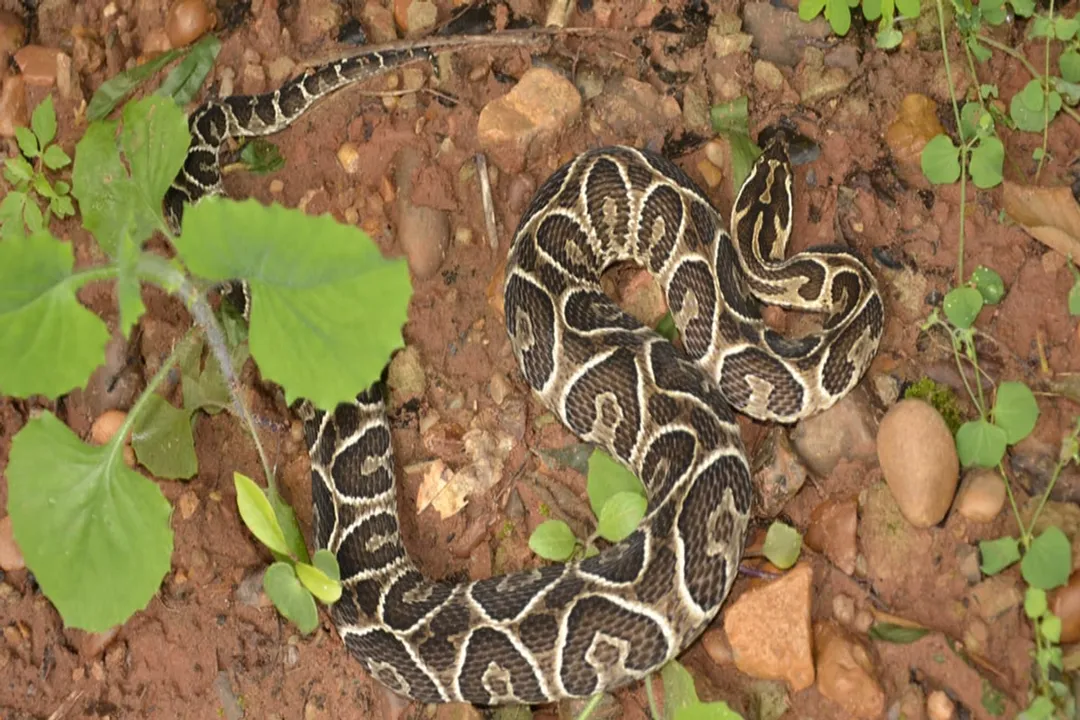
Bothrops jararaca is generally described as a slender snake, though its size is variable, with an average length often cited around 60 centimeters. However, maximum reported total lengths reach up to 160 cm (about 63 inches). A notable characteristic is the sexual dimorphism present in this species: females tend to grow significantly larger and heavier than males.
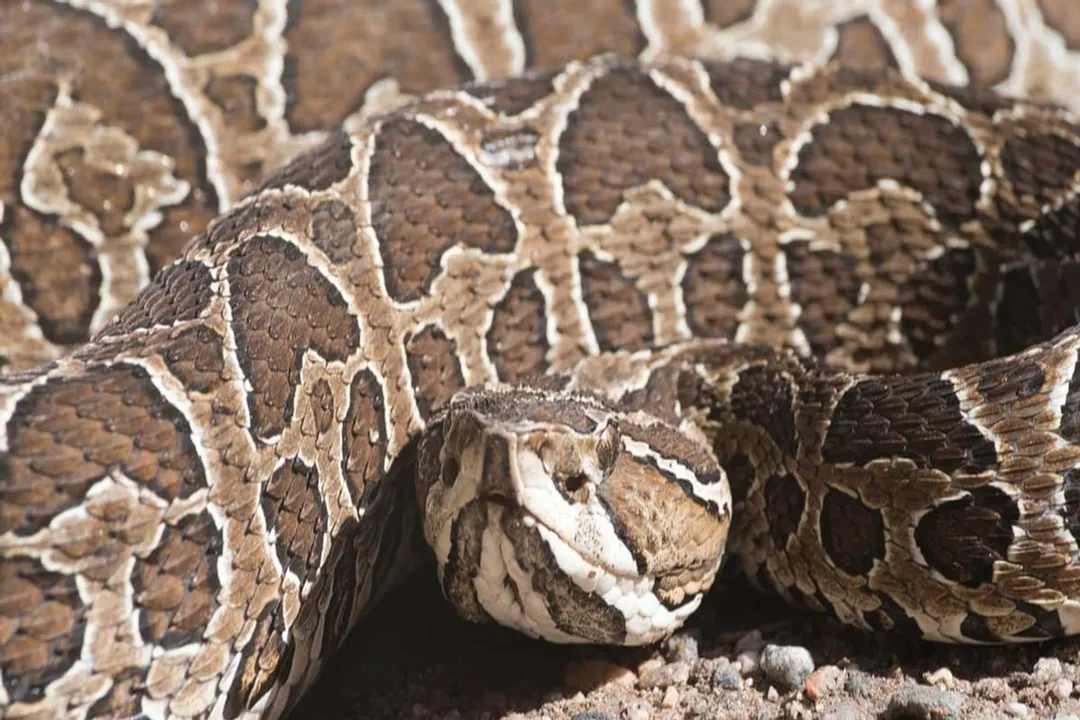
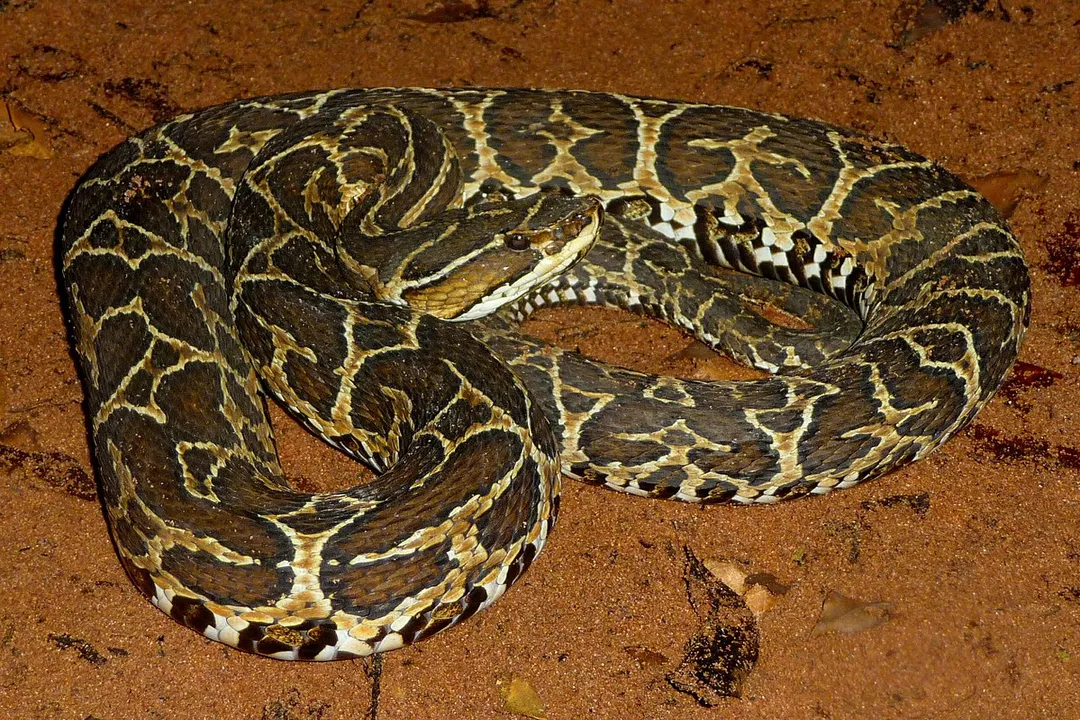
The visual presentation of the Yarara is defined by its extreme variability, which serves as excellent camouflage. The dorsal ground color can range widely, appearing tan, brown, gray, yellow, olive, or even almost maroon. Overlaying this base is a pattern of dark brown, subtriangular or trapezoidal markings along the flanks. These markings often have pale edges. Depending on the individual specimen, these markings might be situated opposite one another, juxtaposed, or show a mix of both styles along the vertebral line.
A key identifier, especially for the young, is the tail tip, which is typically white in juveniles. The head structure is characteristically triangular, featuring a pronounced dark brown stripe running from behind the eye back toward the angle of the mouth, usually bordered dorsally by a distinct pale area. Further identification details rely on scale counts, such as the number of supralabials (usually eight) and the midbody dorsal scale rows (typically 23–25).
# Ecology Behavior
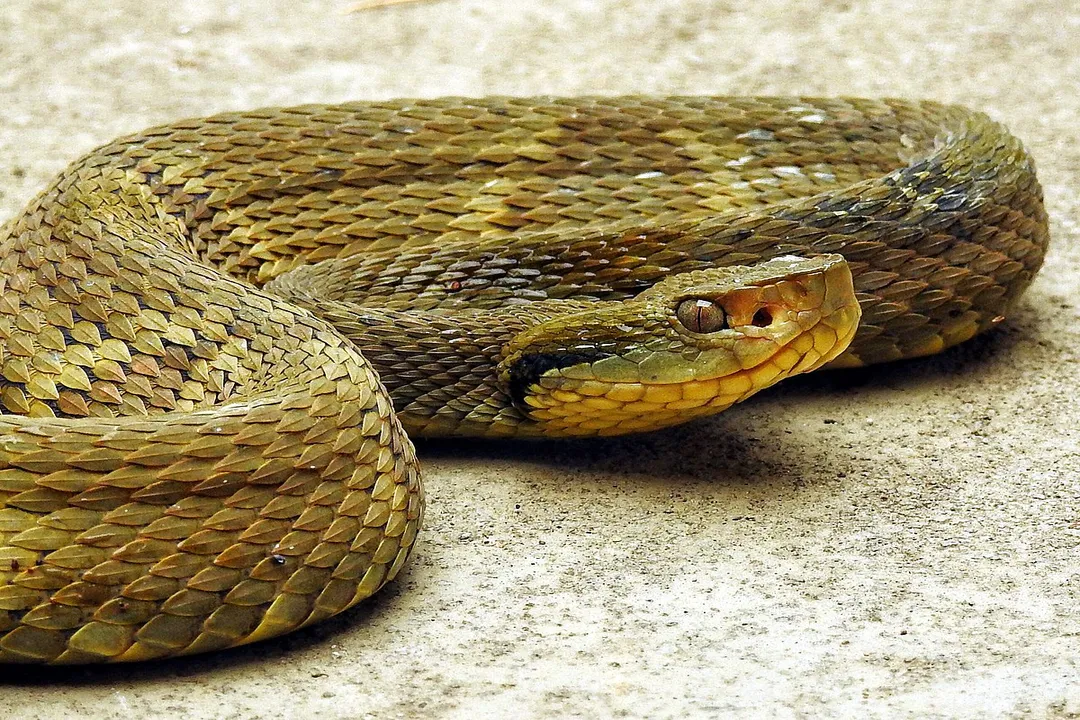
This pit viper is primarily a nocturnal hunter, spending the daylight hours sheltering in foliage, particularly at higher altitudes within its range. Activity levels show a marked reduction during colder months, peaking when temperatures are warmer, which aligns with its breeding season. It is an ambush predator, often found coiled motionlessly, relying on its camouflage.
The ecological roles of the young and the adults differ significantly, a reflection of an ontogenetic shift in diet. Juveniles heavily utilize caudal luring; they move the bright, white tip of their tail across their bodies, mimicking an insect larva to attract smaller prey. The diet of the young is biased toward ectothermic prey, with frogs accounting for about 75% of their intake, alongside various arthropods. As they mature into adults, their preference shifts almost entirely to endothermic prey, with small mammals, predominantly rodents, making up roughly 80% of the adult diet.
While adults are predominantly terrestrial, juveniles exhibit more arboreal tendencies, likely as a strategy to avoid terrestrial predators. They inhabit dense tropical perennial forests along the Atlantic coast but can also be found in savannas, thickets, semitropical highland forests, and agricultural fields, provided there is nearby vegetative cover.
# Life Cycle
The reproductive behavior of B. jararaca involves a defined seasonal pattern. Mating typically occurs between April and May. Like many viperids, males engage in competition for females, though the larger size of the females in this species might influence these dynamics. A sophisticated aspect of their reproduction is the ability of females to store sperm, allowing for delayed fertilization. Ovulation and fertilization occur during the spring months, from October to January. Parturition, or live birth, takes place from February to April. On average, a female yields between 10 to 14 offspring per season, and females may only reproduce biennially, depending on their nutritional reserves needed for yolk production. Both sexes are generally believed to reach sexual maturity at about two years of age. Since they are ovoviviparous, the neonates are venomous immediately upon birth and are independent from the start.
# Venom Potency
The venom of B. jararaca is recognized as quite toxic and is medically significant due to the snake's abundance and tendency to inhabit areas close to human populations. Historically, in southeastern Brazil (1902–1945), this species was responsible for over half of all documented snakebites. Laboratory studies in mice have established its toxicity through median lethal dose () values, with subcutaneous doses of around 3.0 mg/kg being recorded. For a standard 60 kg adult human, the lethal dose is estimated to be around 70 mg of dried venom.
The clinical presentation following a bite is severe. Local symptoms typically manifest as extensive swelling, bruising, and the formation of blisters. Systemically, the venom causes severe coagulopathy, leading to spontaneous bleeding from the gums and within the skin (petechiae), as well as subconjunctival hemorrhage. If left untreated or inadequately managed, systemic effects can progress to shock, kidney failure, and potentially fatal intracranial hemorrhage. Thrombotic microangiopathy has also been noted in severe cases.
The venom composition itself is a complex biochemical blend, with major components identified as metalloproteinases (around 33.6%), serine proteases (about 22.8%), and C-type lectins (around 18.2%), along with phospholipases A2. This complexity supports the severe local tissue damage observed.
This high toxicity is countered by a fascinating element of sexual dimorphism in venom strategy. While females are larger, their venom is noted to be more potent regarding hemorrhagic and hyaluronidasic activities, and is generally considered more lethal. Conversely, male venom demonstrates greater potency in coagulant, phospholipasic, and myotoxic activities. This differentiation suggests an evolutionary refinement where gendered venoms might target slightly different physiological systems, potentially reducing competition between mating partners for similar food resources, allowing one gender to specialize more heavily on prey better suited to its specific venom profile.
# Medical Legacy
Beyond the immediate danger it poses, B. jararaca venom holds a profound place in modern medicine. The snake is directly credited with inspiring one of the most important classes of cardiovascular drugs globally. In 1965, Brazilian scientist Sérgio Henrique Ferreira isolated a bradykinin-potentiating peptide (BPP) from the venom. This BPP demonstrated a remarkable ability to cause a significant drop in blood pressure in test subjects. This discovery directly paved the way for the development of the first Angiotensin Converting Enzyme (ACE) inhibitors, such as captopril, which revolutionized the treatment of hypertension (high blood pressure) and certain types of congestive heart failure.
The medical importance does not end there. The venom also contains the enzyme haemocoagulase, which has been applied clinically as an antihemorrhagic drug, aiding in the control of bleeding. This juxtaposition—a single source providing both a major public health risk and the chemical key to treating a major chronic disease—underscores the incredible biochemical diversity within venomous reptiles. To look only at the danger is to miss the extraordinary pharmaceutical potential locked within its glandular secretions.
# Species Contrast
It is worthwhile to distinguish B. jararaca from its relative, Bothrops alternatus (Urutu or Yarará Grande), as both are called "Yarara" or "Yarará" in parts of their range. While both are highly venomous pit vipers found in Argentina, Paraguay, and Brazil, their morphology and preferred microhabitats show differences.
B. alternatus is often described as large and stout, potentially exceeding 2 meters in length, with a verified maximum of 169 cm, making it generally bulkier than B. jararaca. Its pattern is named for the "alternating" markings that frequently form a cross shape along the spine, giving rise to the name víbora de la cruz. Ecologically, B. alternatus seems to prefer marshes, low-lying swamps, and humid riparian zones, though it is also found in grasslands and cerrado. While its bite reputation was historically considered almost certainly fatal, modern case studies often show severe local damage (necrosis, amputation requiring) but lower recorded fatality rates than perhaps expected, similar to B. jararaca's role as a significant cause of bites but one with manageable outcomes with antivenom.
In contrast, B. jararaca is generally characterized as more slender and is strongly associated with the Atlantic Forest biome, though adaptable to surrounding modified habitats. Both species utilize camouflage and inhabit areas close to human activity, but their specific markings—the variable trapezoids of B. jararaca versus the potential crosses of B. alternatus—can offer a way to differentiate them in the field.
# Public Status
Despite the inherent danger and the historical prevalence of bites, Bothrops jararaca is currently classified as Least Concern (LC) on the IUCN Red List. This secure status is attributed to its broad geographic distribution and its ability to persist even in landscapes modified by human activity, such as cultivated fields. Nonetheless, the species is frequently hunted and persecuted by people, largely stemming from fear of its potent venom. Its ecological benefit, particularly in controlling populations of agricultural pests like rodents, is often overlooked in human-snake interactions. Ensuring the persistence of this species, therefore, involves not only monitoring habitat fragmentation in the Atlantic Forest but also actively managing human perceptions of this vital reptile.
Related Questions
#Citations
Yarara - Bothrops alternatus - A-Z Animals
Bothrops jararaca - Wikipedia
Yarara Facts & Photos - Wowzerful
Jararaca - Facts, Diet, Habitat & Pictures on Animalia.bio
Bothrops jararaca - Animal Diversity Web
Bothrops jararaca - Grokipedia