What are some facts about Gastornis?
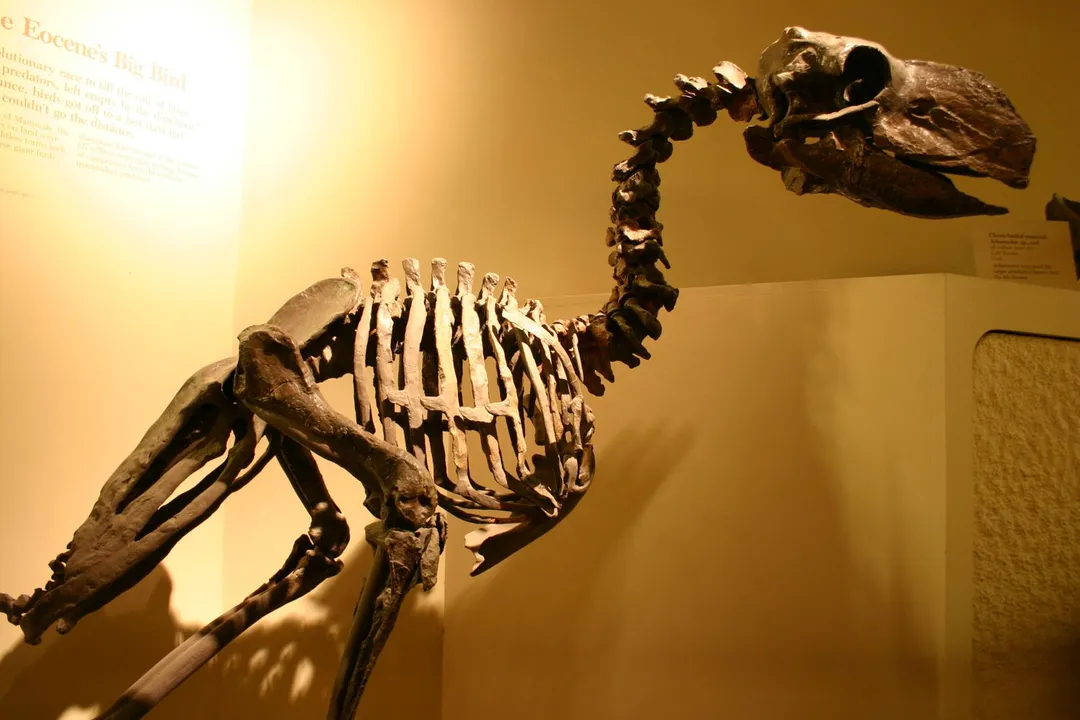
The sheer scale of Gastornis demands attention, even millions of years after its disappearance from the Earth. This was not just a large bird; it was a genuinely massive, flightless creature that dominated certain terrestrial environments during the early Cenozoic Era. Standing perhaps as tall as a person, its imposing silhouette in the Paleocene and Eocene landscapes must have been unmistakable, a true giant among the emergent mammals of that time. [1][2][3] For a long time, many people knew this animal by a different name, Diatryma, but paleontological consensus eventually shifted the designation to Gastornis, recognizing its earlier discovery in Europe. [2][4] Understanding this bird requires looking past simple size measurements and delving into the fascinating, decades-long debate over what exactly it ate—a question that speaks volumes about the ecosystems it inhabited. [5][6]
# Immense Scale
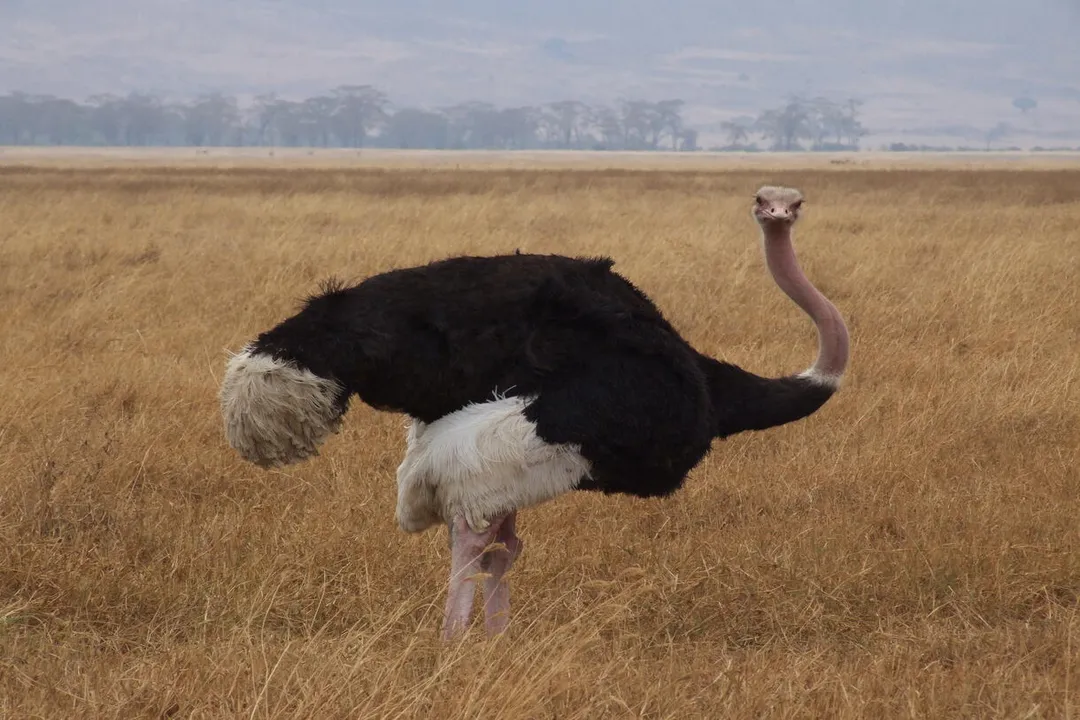
The most immediately striking fact about Gastornis is its tremendous size. Estimates place its height at around 6.5 feet, or about 2 meters, though some researchers suggest even larger individuals might have existed. [1][3] While height is impressive, its mass is perhaps even more telling. Depending on the specific species and the reconstruction model used, these birds are thought to have weighed anywhere from 200 to over 300 kilograms. [1] To put this into perspective, the largest living ratite, the ostrich, stands taller but is significantly lighter, possessing a much less dense bone structure optimized for running, whereas Gastornis appears built for brute force. [7]
To better visualize this ancient behemoth relative to our modern world, consider this comparison table built from fossil reconstructions:
| Metric | Gastornis (Estimated) | Modern Ostrich (Struthio camelus) | Modern Emu (Dromaius novaehollandiae) |
|---|---|---|---|
| Approximate Height | Up to 2.0 meters (6.5 ft) | Up to 2.8 meters (9 ft) | Up to 1.9 meters (6.2 ft) |
| Approximate Mass | 200–300+ kg | 60–150 kg | 18–60 kg |
| Flight Capability | Flightless | Flightless | Flightless |
| Primary Biome | Paleocene/Eocene Forests | African Savanna | Australian Bushland |
| Beak Structure | Massive, deep, robust | Moderately sized, rounded | Moderately sized, flatter |
| [1][3][7] |
This comparison illustrates that while the ostrich retains the height record among terrestrial birds today, Gastornis far exceeded modern running birds in sheer bulk and cranial structure, suggesting a different lifestyle entirely. [7]
# Geological Placement
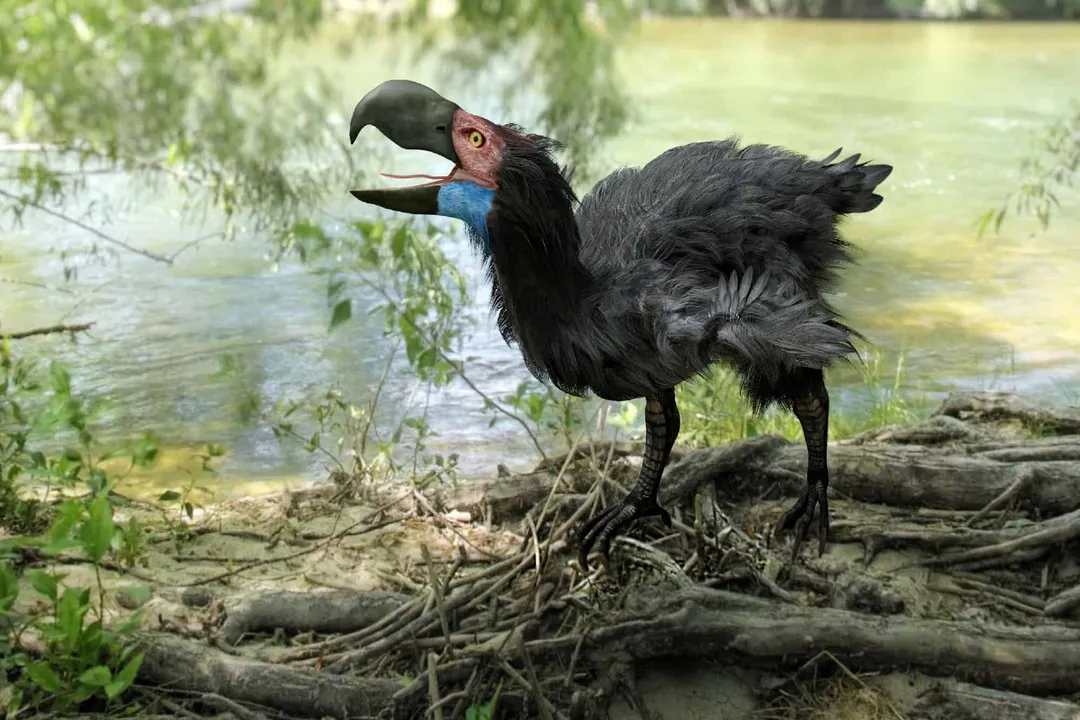
Gastornis fossils date back to the Paleogene period, specifically spanning the early Paleocene and Eocene epochs. [1][2] This time frame is crucial because it immediately followed the Cretaceous-Paleogene extinction event, the one that wiped out the non-avian dinosaurs. [2] The world Gastornis inherited was one in transition, where dinosaurs were gone, and mammals were just beginning their rapid diversification and expansion. [2] The existence of such a large, dominant bird suggests that the ecological niches previously held by large terrestrial predators or megaherbivores were temporarily filled by avian forms. [2] Fossils of this genus have been unearthed across significant parts of the globe, with remains found in both North America and various locations in Europe. [2]
# The Powerful Beak
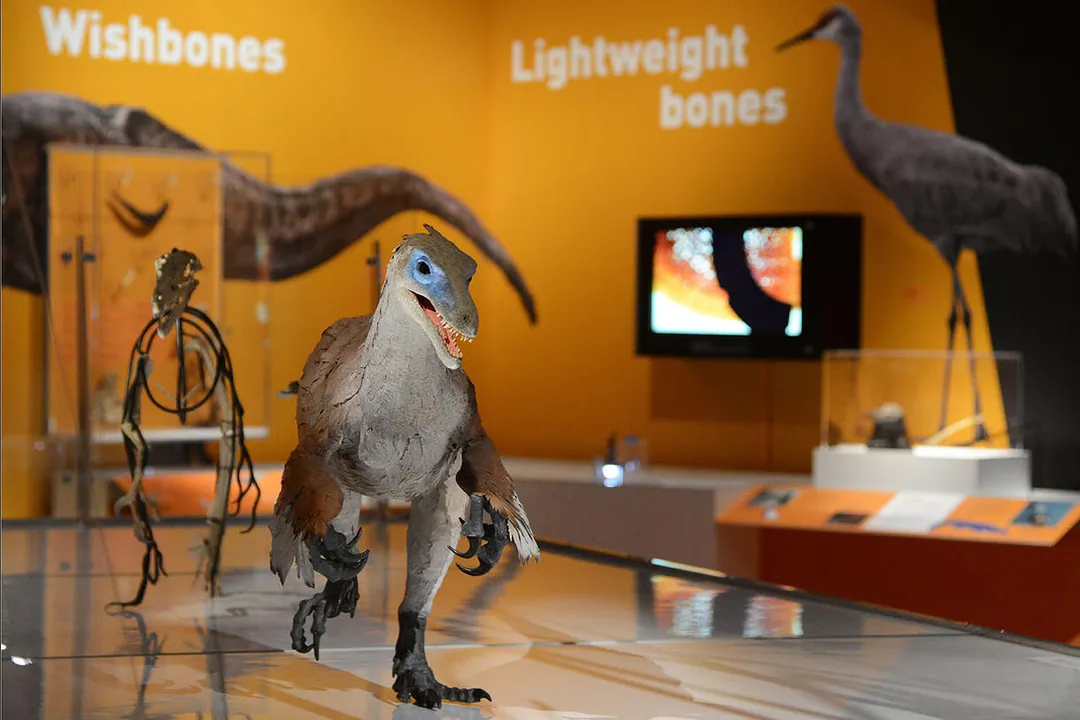
The defining feature of the Gastornis skeleton, often highlighted in descriptions, is its enormous, heavy bill. Unlike the delicate, pointed beaks of many modern birds, the beak of Gastornis was exceptionally deep and robustly built, suggesting it was capable of exerting immense force. [1][3] The structure of the skull and jaw attachments implies musculature designed not just for grasping, but for crushing or shearing tough material. [5] This remarkable piece of osteological engineering is the primary clue paleontologists use to try and determine its feeding habits, leading to the most significant scientific debate surrounding the animal. [5]
# Diet Controversy
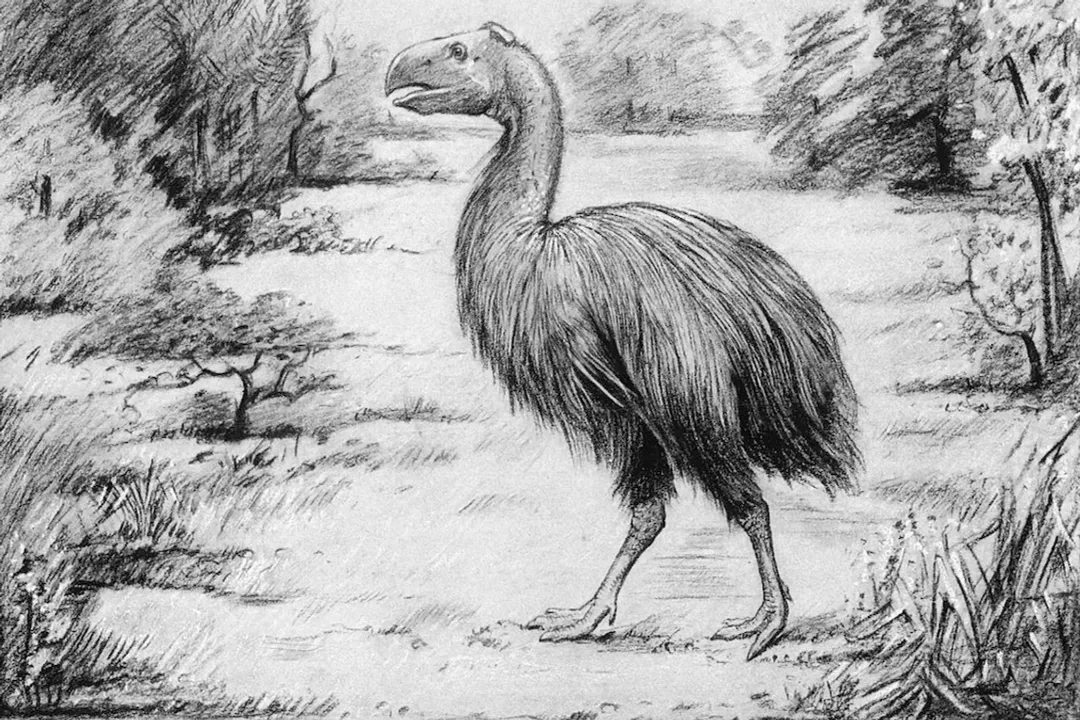
For many years, the sheer size and powerful head of Gastornis led scientists to assume it was a formidable predator. Given the abundance of small, emerging mammals, including early relatives of horses, the image of Gastornis as a terrifying, predatory bird that preyed upon these small creatures was popularized. [6] This made the flightless giant seem like the apex terrestrial hunter of its environment for a time. [6]
However, more recent and detailed examinations of the beak morphology, particularly when comparing it to known herbivores and carnivores, have strongly suggested a shift in interpretation. [6][7] Many paleontologists now favor the hypothesis that Gastornis was primarily, if not exclusively, herbivorous. [5][6] The specific shape of the beak—deep and blunt—is thought to be perfectly adapted for cracking the very hard, thick-shelled nuts and seeds that were likely plentiful in the warm, humid Paleocene forests. [5][7] A National Geographic article noted that this bird was likely crushing seeds rather than hunting small horses, emphasizing the evidence pointing toward a reliance on tough plant matter. [5] This would mean that its size wasn't necessarily correlated with hunting large prey, but rather with accessing and processing high-energy plant resources unavailable to smaller herbivores. [5] The idea that such a massive bird relied on crushing seeds rather than tearing flesh suggests an evolutionary path focused on resource defense and sheer mechanical power applied to vegetation, a less common, but entirely plausible, strategy for megaherbivores. [7]
# Classification Confusion
Placing Gastornis accurately within the avian family tree remains a challenge for researchers. It belongs to the group known as Paleornithes—extinct, paleogene birds that do not fit neatly into modern bird orders. [1] Historically, and perhaps due to its size and structure, some early ideas linked it to terrestrial predators or even carnivores in general, though the diet debate clouds this. [6] Current thinking, based on limb and pelvic structures, often suggests a closer affinity to modern waterfowl (Anseriformes) or perhaps Galliformes (the group that includes chickens and turkeys). [1][7] While it certainly shared the flightless trait with ratites like ostriches and rheas, the skeletal evidence doesn't strongly support a direct relationship to that specific group. [7] The uncertainty here highlights how incomplete fossil records can sometimes leave major evolutionary branches unresolved for extended periods. [1]
# Ecological Role Implication
The existence and eventual extinction of such a dominant, specialized creature offer a unique window into ecological dynamics following the dinosaur demise. If Gastornis truly specialized in crushing the toughest available plant seeds, its success indicates a world rich in dense, durable food sources that other animals could not effectively exploit. [5] This suggests a highly evolved form of resource partitioning where sheer mechanical advantage—having the biggest, strongest beak—was the key to dominance. [7] Consider an ecosystem where the bottleneck for primary energy was the thickness of a seed coat; Gastornis was engineered to break that bottleneck. [5] Its disappearance, which occurred before the Eocene-Oligocene transition, is often tied to global climate cooling, which would have drastically altered the flora—leading to fewer of those tough seeds or nuts it relied upon. [2] When the preferred food source vanishes or becomes too rare, even a creature built like a biological nutcracker is vulnerable, demonstrating that high specialization, while successful in stable times, carries significant risk when the environment changes rapidly. [2] This serves as a powerful, ancient example that adaptation to one highly specific niche can become a liability when that niche disappears. [7]
# Fossil Discoveries
The understanding of Gastornis has been pieced together from scattered fossil material found across continents. [2] The initial finds in Europe led to the naming of Gastornis, while later, more complete North American specimens were often referred to as Diatryma before the synonymy was widely accepted. [2][4] The fossils usually consist of large limb bones and, critically, the characteristic massive skull pieces that preserve the beak structure. [1] The fact that such large, heavy bones are preserved and found suggests that these birds were likely slow-moving and perhaps died near water sources or in environments conducive to fossilization, rather than being widely dispersed like smaller, more active creatures. [3] Continued exploration in Paleogene sediments remains the only path to gaining a clearer picture of its complete anatomy and range of variation across its lifespan and geography. [1]
Related Questions
#Citations
Gastornis - Wikipedia
Gastornis (Diatryma) - Facts and Figures - ThoughtCo
Gastornis parisiensis - Birds - A-Z Animals
Gastornis Facts for Kids
Gastornis | Walking With Wikis - Fandom
Gastornis, a prehistoric herbivorous bird with a powerful bill
Giant Prehistoric Bird Crushed Seeds, Not Little Horses
Gastornis - Fossils and Archeology Wiki
Gastornis gigantea: Flightless Bird Linked to Dinosaurs | AMNH