What is an interesting fact about an eel?
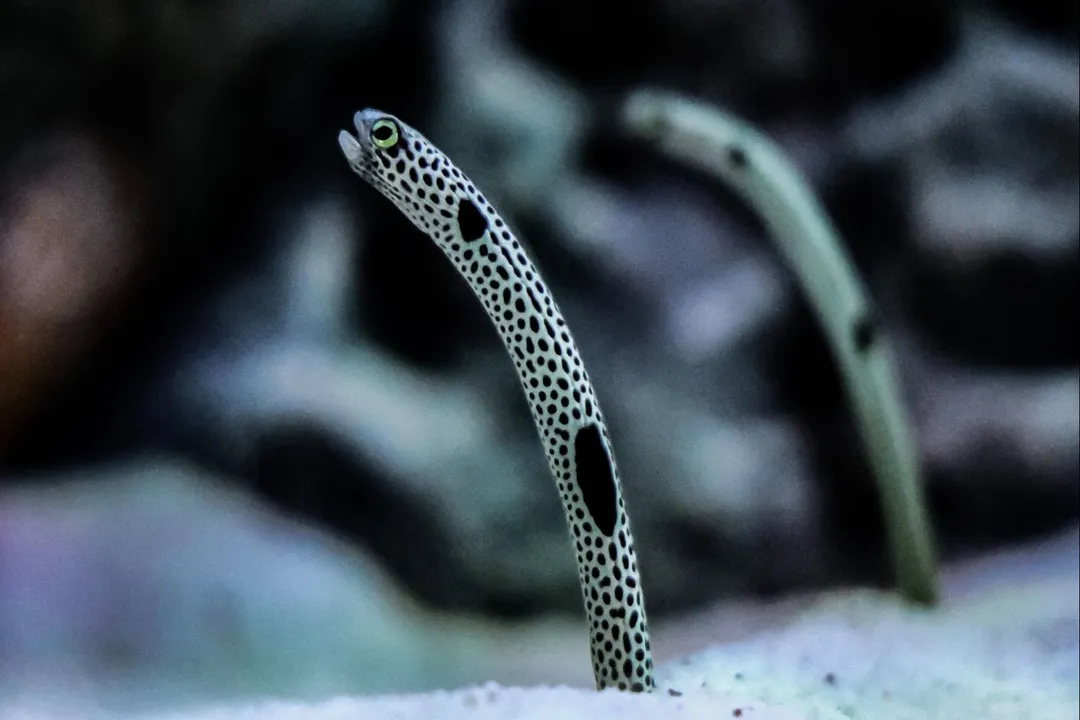
The serpentine shape of an eel often leads to immediate misclassification; many people mistake them for snakes, but this couldn't be further from the truth. Eels are, in fact, true fish. A key anatomical difference distinguishing them from their legless terrestrial counterparts is their skin structure; while snakes are covered in scales, eels possess smooth, slippery skin that secretes a thick, protective mucus layer. Furthermore, eels lack the pelvic fins characteristic of most bony fish, contributing to their snake-like appearance as they move through the water. This physical resemblance, however, hides a biology that is far more specialized and peculiar to the aquatic environment.
# Life Cycle Wonders
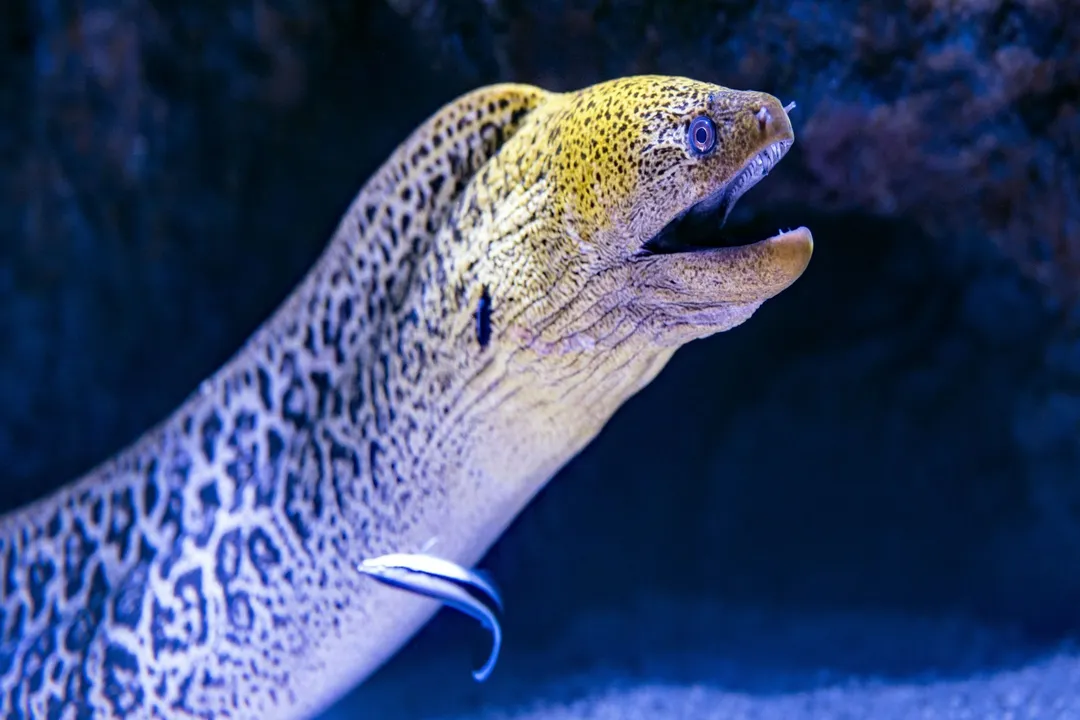
Perhaps the most fascinating aspect of many eel species, particularly the Atlantic species like the American and European eels, is their incredible, almost mythological life cycle which involves an epic oceanic migration. These fish begin their lives thousands of miles away from where they live as adults. The spawning grounds for these migratory eels is the Sargasso Sea, a region in the North Atlantic Ocean notorious for its currents and depth. After hatching, the larvae are not miniature eels; instead, they are transparent, delicate, and leaf-shaped creatures called leptocephali.
Observing the transformation path reveals a complex metamorphosis that seems better suited for a science fiction narrative than marine biology. The leptocephali drift for months or even years on ocean currents before undergoing their first major shift into the glass eel stage. These glass eels are the size of a human finger, still largely transparent, and are ready to enter freshwater estuaries to begin their juvenile life. Once they fully enter freshwater systems—rivers, lakes, or streams—they start to gain pigmentation and develop into what are known as elvers. They remain in this developmental phase, often for years, before maturing into the familiar yellow eel stage, characterized by their olive-green or yellowish coloration.
The cycle culminates when they reach sexual maturity, often after a decade or more, at which point they undergo a final dramatic transformation into the silver eel. This silvering involves significant physiological changes, including eye enlargement and darkening of the skin, preparing them for their long, one-way trip back to the Sargasso Sea to reproduce and die. Considering the sheer distance, the navigational accuracy required to return to a specific oceanic nursery grounds, and the dramatic physiological overhaul required, the eel's life history stands as a supreme example of evolutionary commitment to a specific habitat cycle. It is rare to find a vertebrate that commits so entirely to a migratory reproductive strategy spanning such vastly different ecosystems.
# Skin Respiration
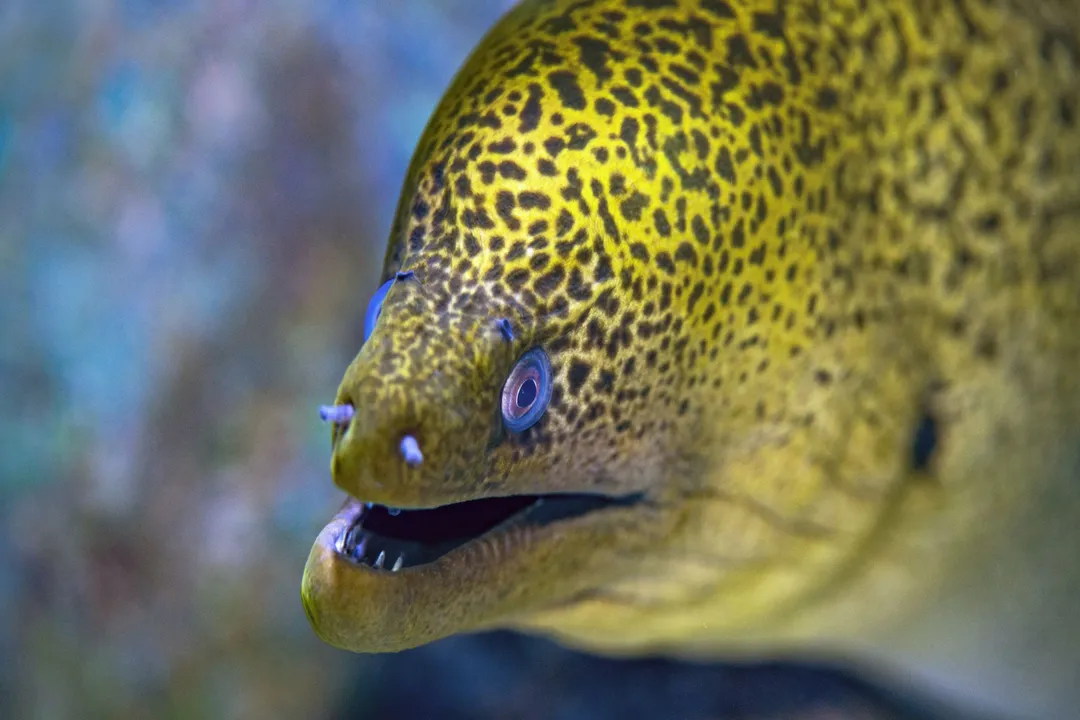
Beyond their epic journeys, eels possess a highly adaptable means of oxygen intake that grants them surprising terrestrial capabilities. Many eels can absorb oxygen directly through their skin, a process known as cutaneous respiration. This ability means that under certain conditions, especially when the water is warm or oxygen-depleted, an eel can effectively breathe while out of the water, provided its skin remains moist. This makes them capable of short excursions across land, perhaps from one puddle or pond to another, which is an astonishing feat for a creature so fundamentally adapted to swimming. If you ever encounter an eel flopping across damp ground, remember that this movement is sometimes an active survival strategy rather than just a distress signal.
# Specialized Predators
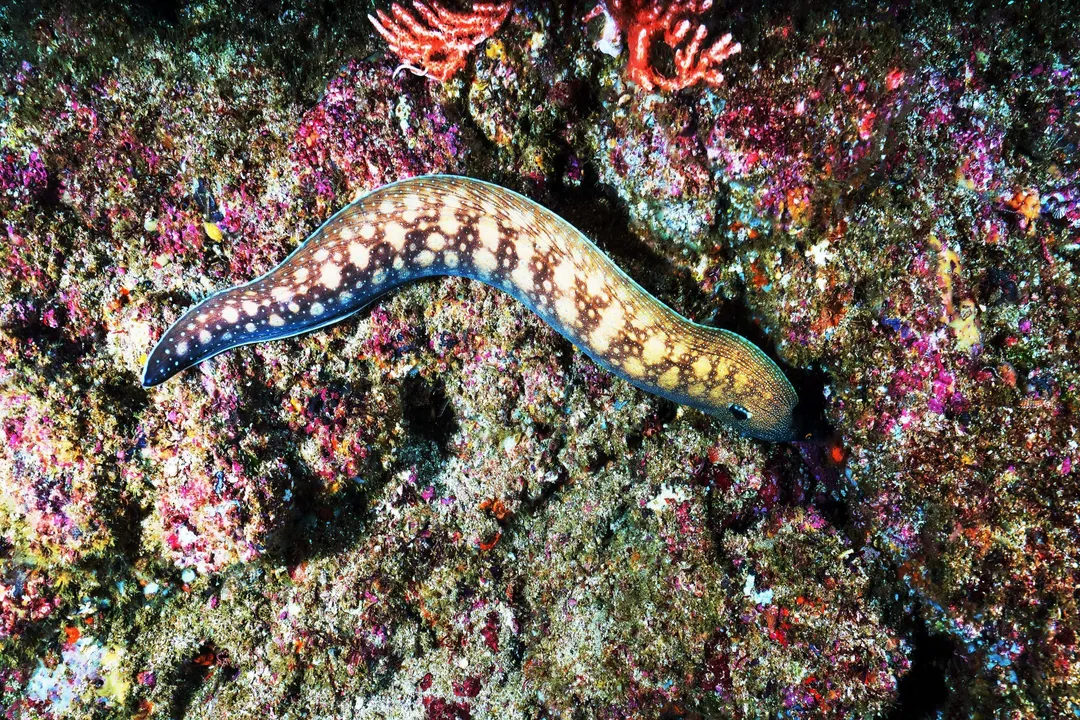
The tools many eels use for feeding are as specialized as their migratory patterns. While some use powerful bites, the moray eel family exhibits a truly unique predatory mechanism involving a second set of jaws. Moray eels possess the standard oral jaws to grasp prey, but hidden in their throat cavity are the pharyngeal jaws. When a moray attacks, these second jaws swing forward—propelled by hydrostatic pressure—into the mouth cavity, latching onto the victim and pulling it down the throat toward the esophagus. This system is remarkably similar to the mechanism found in some fictional creatures, like the Xenomorph from the Alien film franchise, highlighting a specialized evolutionary solution for secure prey capture in the water column.
For general eel species that are not morays, or even for morays when not actively feeding, the skin's slipperiness serves another purpose beyond ease of movement: defense. Their mucus coating can be irritating or even toxic to some predators, offering a slippery escape route when grabbed.
# Electric Deception
It is critical to address one of the most famous, yet biologically distinct, "eels": the electric eel. Despite the common name, the electric eel is not a true eel belonging to the Anguilliformes order; it is actually a type of knifefish. This distinction is important because its electrical prowess is far more advanced than anything seen in true eels.
The electric eel generates powerful electric discharges, capable of reaching up to 600 volts. These shocks serve multiple functions. A powerful discharge can stun or kill prey, allowing the predator to consume its meal easily. However, the eel also uses weaker electrical pulses for electrolocation—sensing its environment in murky waters to find objects or navigate—a process similar to how bats use echolocation.
To put the voltage into perspective, consider the common household circuit in many countries operates around 120 or 240 volts. The electric eel's discharge is strong enough to cause involuntary muscle contractions in a human, making interaction extremely dangerous. If you were mapping out a freshwater survival training scenario in South America, understanding that a mild-looking fish can deliver a debilitating shock would move it from a low-priority hazard to a high-priority avoidance target, purely based on the sheer power density it produces from its specialized organs.

# Analyzing Eel Resilience
When comparing the life cycles and adaptations, the contrast between the migratory eels and the electric eel is stark, yet both demonstrate extreme specialization. Migratory eels focus on vast geographical exploration and delicate metamorphosis to bridge freshwater and saltwater habitats. The electric eel, conversely, focuses its specialization on maximizing energy output within a localized freshwater zone for hunting and defense.
One interesting area for comparative analysis involves metabolic efficiency. The silver eel, preparing for its non-feeding, transoceanic journey, must store massive amounts of energy, likely involving significant shifts in fat metabolism to fuel the swim across thousands of miles of open ocean without eating. This mobilization of stored resources is a massive biological undertaking, paralleling the energy demands of the electric eel, which must constantly generate and store the chemical potential necessary for its powerful electrical discharges. While one focuses energy on distance and the other on power, both illustrate the eel body plan's exceptional capacity for high-energy biological processes.
Eels, in general, are an ancient lineage of fish, and their persistence through geological time suggests that their serpentine form and unique biological tricks—whether it’s two sets of jaws, skin-breathing, or massive oceanic migrations—have proven highly successful for survival across varied ecological pressures. They are truly among nature's most resilient and strange inhabitants of the aquatic world.
#Videos
True Facts: Five Freaky Eels - YouTube
Related Questions
#Citations
Top Ten Eel Facts | Original Travel
11 Fascinating Facts About Eels - Mental Floss
Eel Fact Sheet | Blog | Nature - PBS
True Facts: Five Freaky Eels - YouTube
24 Crazy Eel Facts You won't Believe - FactRetriever
Interesting facts about eels and their unique characteristics - Facebook
Eels are some of nature's weirdest creatures. Here are 5 reasons ...
Fascinating Facts About Moray Eels - Master Liveaboards
Electric Eel | National Geographic Kids