Wolf Snake Locations
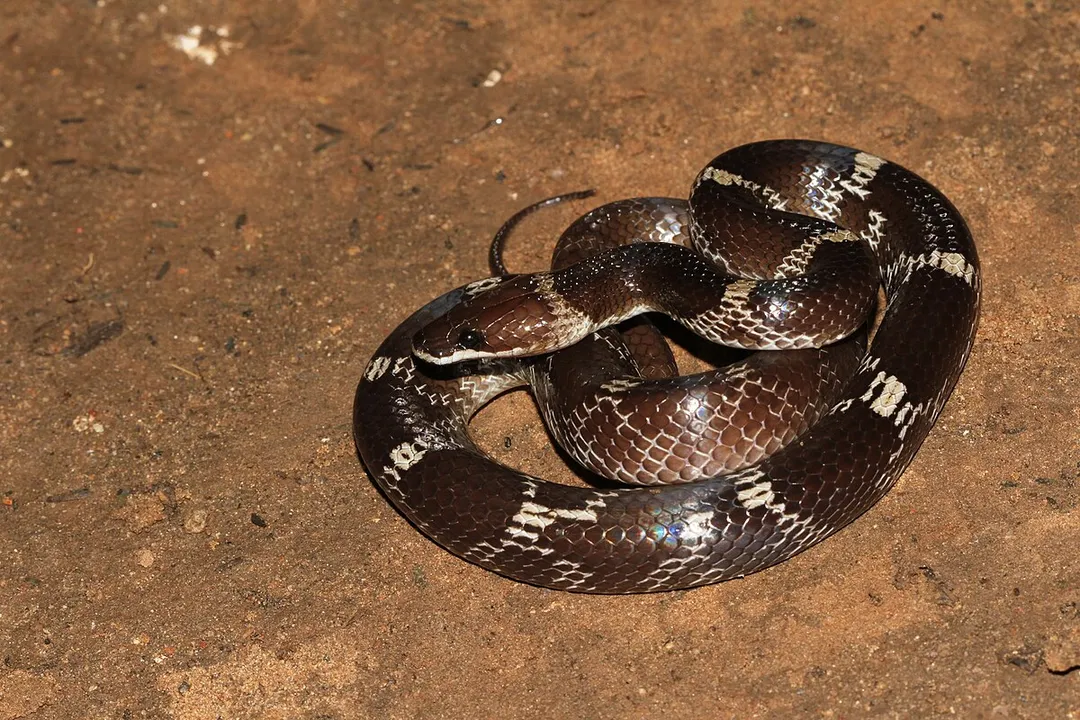
The distribution of snakes commonly referred to as "wolf snakes" reveals a fascinating pattern of successful adaptation across diverse Asian landscapes, often placing them right alongside human settlements. These non-venomous reptiles, belonging primarily to the genus Lycodon, have carved out substantial niches throughout South and Southeast Asia. [4][5] When tracking these species, one is usually searching for one of two main contenders: the Common Wolf Snake (Lycodon capucinus) or the Oriental Wolf Snake (Lycodon aulicus), though regional variations like the Mountain Wolf Snake also exist. [2][9]
# Species Overlap
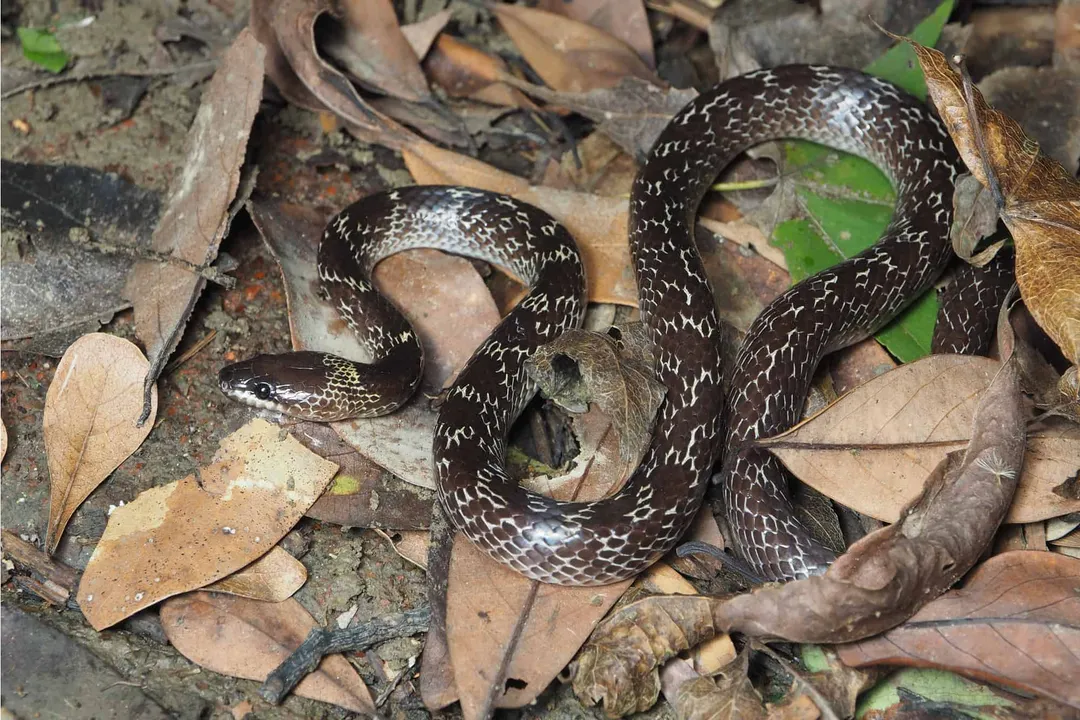
Understanding the locations of wolf snakes requires recognizing that the common name applies to several distinct, though often similarly patterned, species. [4] The Lycodon genus encompasses numerous species, many exhibiting cryptic, often mottled or banded patterns that resemble wolves or other predators, hence the common name. [4]
The most frequently encountered are the Common Wolf Snake and the Oriental Wolf Snake, whose ranges show significant geographical overlap, which can lead to confusion both in field identification and in reporting locations. [1][5]
- Common Wolf Snake (Lycodon capucinus): This species is widespread across Southeast Asia. [1] Specific regions include Peninsular Malaysia, Singapore, Indonesia, the Philippines, and Sulawesi. [2] Its prevalence in these areas often earns it the moniker of the "Common House Snake". [2]
- Oriental Wolf Snake (Lycodon aulicus): This snake boasts an even broader distribution spanning South Asia into Southeast Asia. [5][7] Its range encompasses India, Sri Lanka, Bangladesh, Nepal, Myanmar, Thailand, Laos, Cambodia, Vietnam, Malaysia, Singapore, and the Indonesian islands of Sumatra, Java, Borneo, and Sulawesi. [5][7] Furthermore, its reach extends into China and Taiwan. [5]
The overlap in countries like Malaysia, Singapore, and Indonesia means that a location record might pertain to either species, or potentially both, depending on the exact microhabitat and subtle morphological differences. [5][2] While L. capucinus is strongly associated with human environments in the areas it inhabits, [2] L. aulicus is similarly known for thriving in urban and suburban settings across its vast territory. [7]
# Geographic Scope
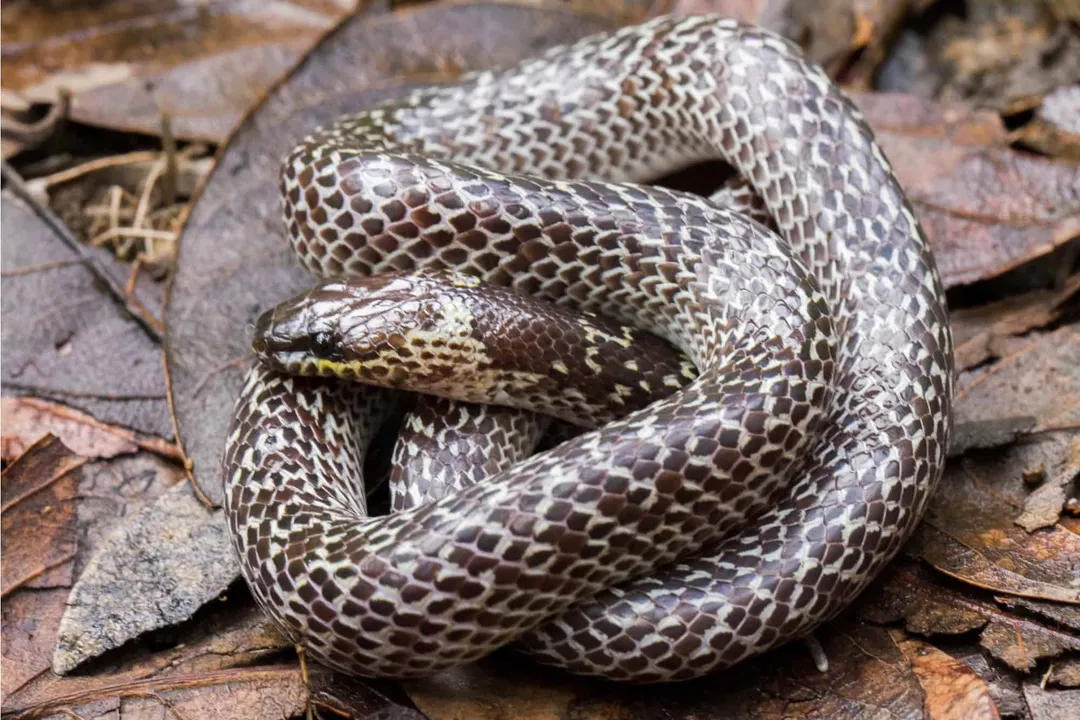
The sheer geographic spread of these snakes is notable, covering thousands of miles across the Asian continent and its associated archipelagos. [5]
# South Asia
In South Asia, the Oriental Wolf Snake (L. aulicus) is the established presence. [5] This includes the Indian subcontinent, where it is found in countries such as India and Sri Lanka. [5][7] Sightings have also been confirmed in neighboring nations like Nepal and Bangladesh. [5] The presence here suggests a deep historical rooting in the drier and more seasonally variable climates found in parts of this region, contrasting somewhat with the generally more humid, tropical Southeast Asian niches favored by some related species. [5]
# Southeast Asia
Southeast Asia represents a critical hub for wolf snake diversity and abundance, particularly for both L. aulicus and L. capucinus. [2][7]
The collective area includes:
- Mainland: Myanmar, Thailand, Laos, Cambodia, and Vietnam. [5]
- Peninsular/Island: Malaysia, Singapore, and the extensive island groups of Indonesia (Sumatra, Java, Borneo, Sulawesi) and the Philippines. [2][5]
It is worth noting the specific mention of the Mountain Wolf Snake, which seems geographically restricted to the highlands of Peninsular Malaysia. [9] This specialization suggests that within a relatively small geographic area, distinct evolutionary pressures, likely related to altitude and temperature, have driven the speciation or preferential habitat use leading to this specific variant being recognized. [9]
If you are in the region of the Malay Peninsula, your likelihood of encountering a wolf snake is extremely high, but determining which Lycodon species you have found might depend on whether you are at sea level near a city center or higher up in a cooler, montane forest patch. [2][9]

# Habitat Proximity
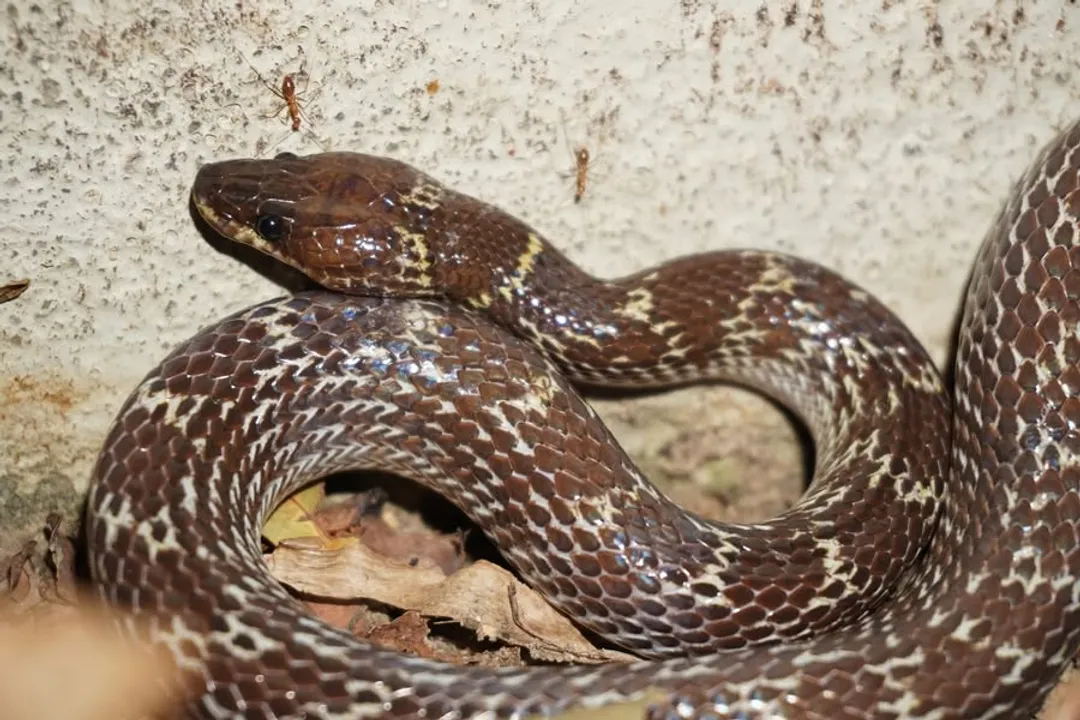
The locations of wolf snakes are not merely country borders; they are defined by the microclimates and structures they prefer within those borders.
# Urban Coexistence
A defining characteristic shared by the most commonly tracked species is their tolerance, and perhaps preference, for proximity to human development. [2][7] The Common Wolf Snake is frequently encountered in and around houses, earning its common name. [2] Similarly, the Oriental Wolf Snake is often reported in urban and suburban gardens, parks, and even within buildings across its range in India, Sri Lanka, and SE Asia. [7] They seem adept at exploiting the sheltered, stable environments that human construction provides, such as under debris, in wall crevices, or within storage areas. [7]
This propensity for human habitation suggests that a key location strategy for these snakes is proximity to their prey base—small lizards, geckos, and insects—which often thrive in these anthropogenic environments. [2] For anyone observing snakes in residential areas of places like Singapore or Kuala Lumpur, the wolf snake is often one of the most probable non-venomous finds. [2]
# Environmental Specificity
While urban areas are common ground, there are subtle differences in specialized locations:
- Lowland vs. Highland: As noted, the Mountain Wolf Snake appears localized to higher elevations in Malaysia. [9] This implies that environmental factors like cooler ambient temperatures or specific humidity levels in montane forests dictate its presence, suggesting that a lowland forest patch in the same region might host a different Lycodon species instead. [9]
- Island Biogeography: The presence of L. capucinus across the Philippines and Sulawesi, while L. aulicus also covers many of the same major islands like Borneo and Java, hints at different dispersal histories or competitive exclusion dynamics playing out across the Sunda and Sahul regions. [1][5] For instance, while both are in Sulawesi, researchers tracking local fauna might note a difference in the dominant Lycodon species depending on the island's historical geological connection to the Asian mainland. [5]
If you are tracking wolf snake locations, look not just at the national distribution maps but consider the structural complexity of the immediate area. A stack of old lumber near a house offers a prime location for a Lycodon species to shelter during the day, regardless of whether you are in Thailand or Java. [7] The presence of good cover for a resting snake is often a better predictor of location than broad habitat type alone. [2]
# Locating Wolf Snakes in Practice
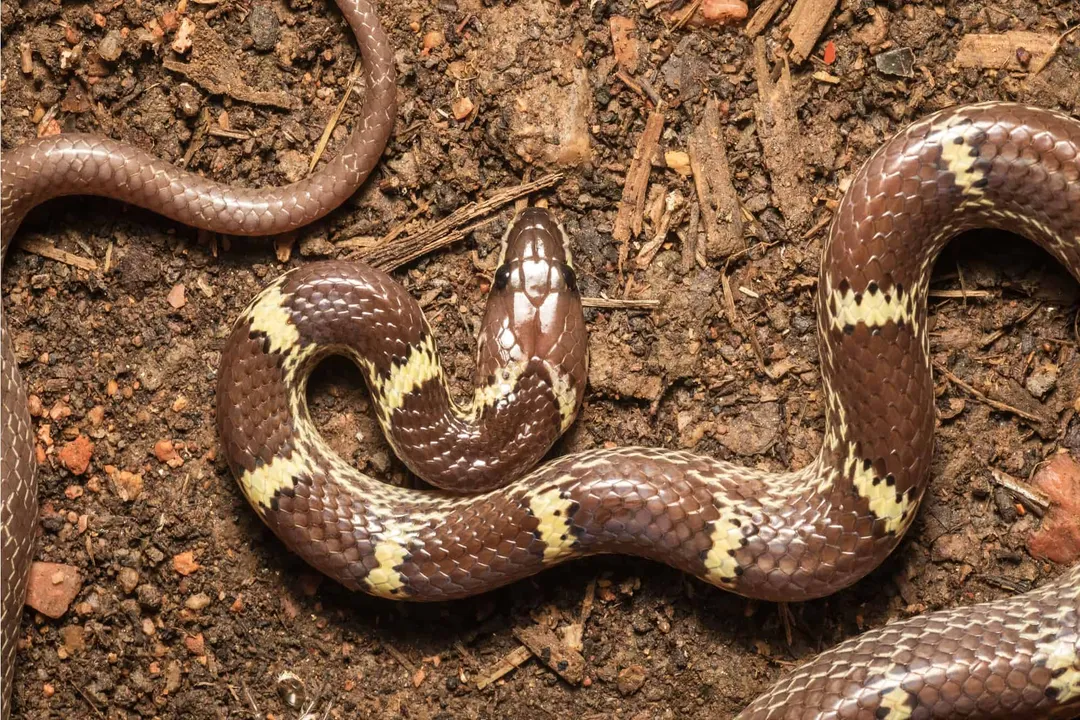
For those hoping to observe these snakes, knowing where they are found geographically is only half the battle; knowing when and how to look in those locations is essential for a positive encounter. Since these are largely nocturnal species, searching during the day requires finding their daytime refuges. [7]
An actionable tip for enthusiasts in known wolf snake territories, like the gardens of Mumbai or the lamp-lit alleys of Bangkok, is to focus observation efforts between the hours of 9 PM and midnight following warm, humid evenings. This is often when they are most active, moving away from their daytime hideouts to hunt for small prey that might be attracted to lights. [7]
Another useful observation derived from comparing their general habits is recognizing the distinct primary ranges of the two most common types, which can guide initial identification efforts, even before a clear look at the scale patterns. If you are in a very specific, high-altitude location in Malaysia, the odds of it being the Mountain Wolf Snake are significantly higher than if you were in a dense urban park in India, where L. aulicus predominates. [5][9] Understanding this initial geographic filter based on the primary known ranges saves time and focuses attention on the correct species identification guide.
# Range Limitations
While impressive, the known locations for wolf snakes are not global. They are distinctly Old World, Asian reptiles. [5] There are no documented, established wild populations in the Americas, Europe, or Africa, though accidental introductions are always a possibility with internationally moved potted plants or cargo. [4] Their current distribution map essentially traces the historical and modern trade and biogeographic routes across the Asian tropics and subtropics. [5] The absence of confirmed wild populations in places like Australia, despite proximity and shared island chains in the past, suggests either recent evolutionary divergence or competitive exclusion by native fauna where they do meet. [5]
The known distribution underscores their reliance on warm, generally humid, tropical and subtropical climates, though the presence of L. aulicus in slightly drier pockets of South Asia shows some thermal flexibility. [5] In short, if you are looking for a wolf snake location, start your search east of the Arabian Sea and stay below the temperate zones of East Asia. [5][7]
Related Questions
#Citations
Common Wolf Snake (Lycodon capucinus) - iNaturalist
Common Wolf Snake - Lycodon capucinus - Ecology Asia
Wolf Snake - Lycodon capucinus - A-Z Animals
Wolf snake | venomous, nocturnal, colubrid - Britannica
Lycodon aulicus - Wikipedia
Largest common wolf snake in East Asia - Facebook
The Oriental Wolf Snake | Critter Science
Indian Wolf Snake (Lycodon aulicus) - iNaturalist Canada