What shared ecological characteristic defines the habitat strategy for both *Lycodon capucinus* and *Lycodon aulicus*?
Answer
Tolerance and preference for proximity to human development
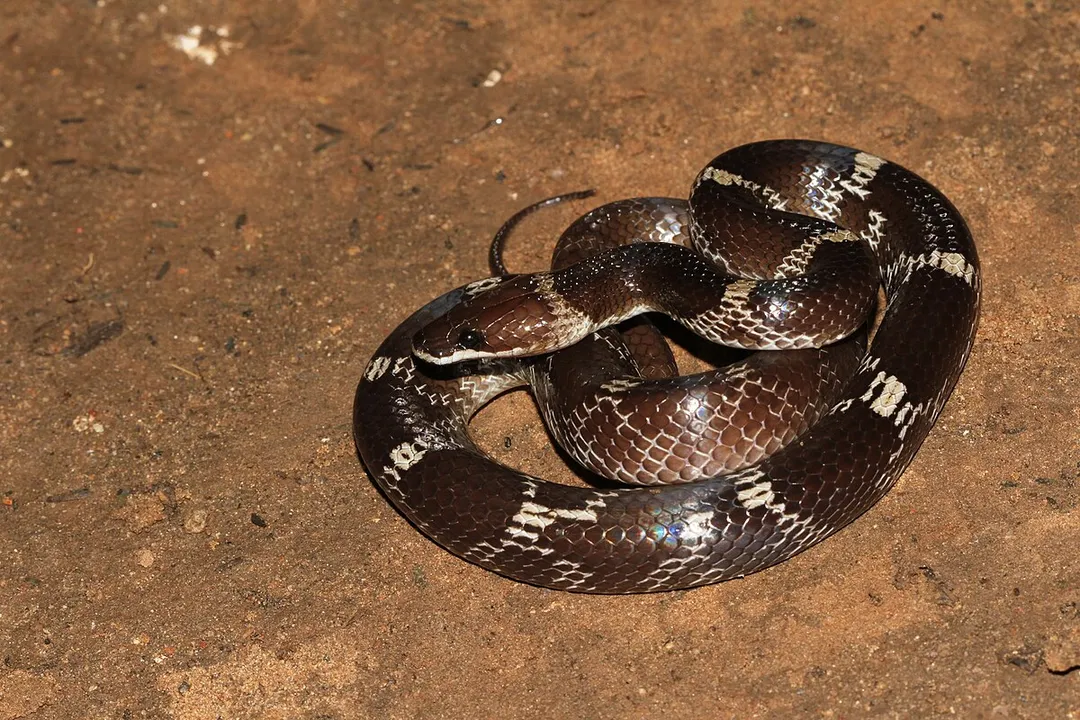
A defining characteristic shared by the most commonly tracked wolf snake species, *L. capucinus* and *L. aulicus*, is their remarkable tolerance, and often preference, for residing near human settlements. Both species are frequently reported in urban and suburban settings, including gardens, parks, and sometimes even inside buildings. This successful strategy is often linked to the availability of resources; human construction provides stable, sheltered microclimates under debris or in wall crevices, and importantly, concentrates their prey base, which primarily consists of small lizards, geckos, and insects that also thrive in anthropogenic environments.
Related Questions
Which wolf snake species is widely distributed across Southeast Asia and often called the "Common House Snake"?What shared ecological characteristic defines the habitat strategy for both *Lycodon capucinus* and *Lycodon aulicus*?Where is the Mountain Wolf Snake specifically noted to have a geographically restricted presence?Which major continents are cited as having no documented, established wild populations of wolf snakes?Which species exhibits a distribution range that extends from the Indian subcontinent into China and Taiwan?What prey items do wolf snakes commonly hunt when active in residential areas like Mumbai or Bangkok?In which countries do the ranges of *Lycodon capucinus* and *Lycodon aulicus* show significant geographical overlap, causing identification confusion?When are wolf snakes generally most active, providing the best window for observation away from their daytime hideouts?What general climate preference defines the overall known distribution map for wolf snakes across Asia?What is the primary basis upon which researchers might distinguish between wolf snake species in a region like Sulawesi, given overlapping presence?