What environmental cues work together to signal the necessity for diapause entry in the autumn?
Answer
Shorter photoperiods and cooling temperatures.
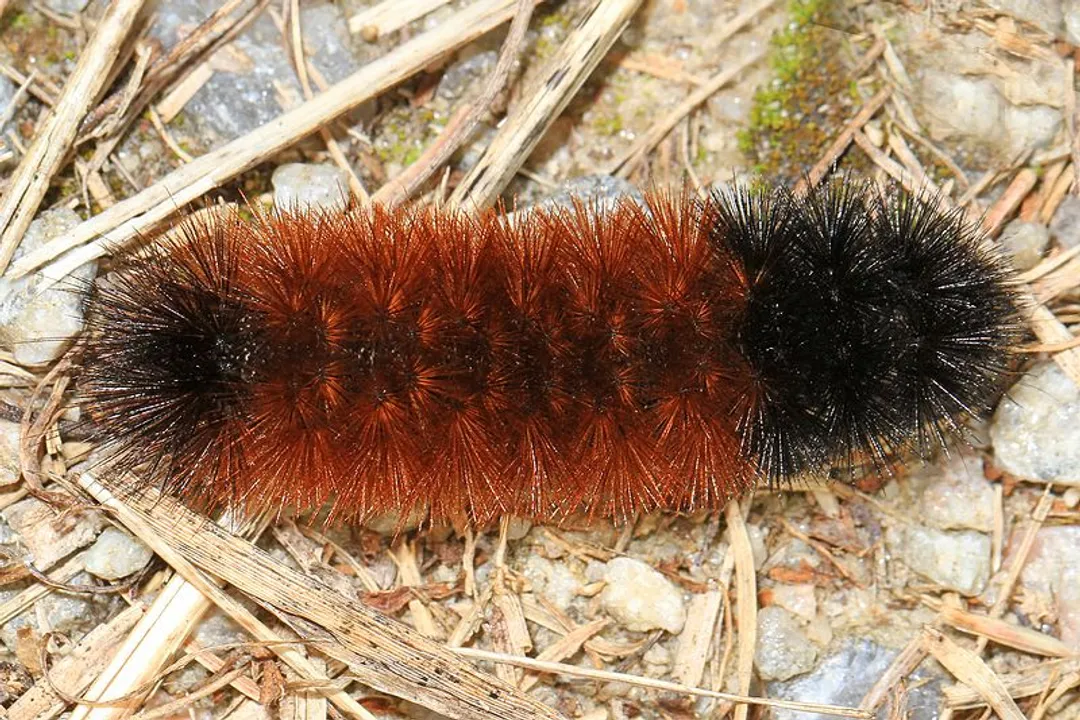
The initiation of diapause and the subsequent complex biochemical preparation for winter survival are not triggered by a single factor but by the combined signaling of environmental cues occurring in the autumn. Specifically, the decrease in the length of daylight hours, known as shorter photoperiods, acts in concert with gradually falling ambient temperatures. This dual signal informs the caterpillar that the favorable growing season is ending, necessitating the activation of the antifreeze production pathways and the search for a secure overwintering location.
Related Questions
What is the scientific name associated with the Woolly Bear larva?What defensive tactic does the Woolly Bear employ when disturbed or approached?What are the primary cryoprotectant compounds produced by P. isabella for freeze tolerance?What is the technical name for the stiff hairs that cover the Woolly Bear caterpillar?What environmental cues work together to signal the necessity for diapause entry in the autumn?What characterizes the Woolly Bear's role in terms of its feeding habits?What is the primary consequence of the high energy expenditure during the Woolly Bear's fall feeding phase?According to scientific investigation, what truly determines the width of the black bands on the Woolly Bear?What critical risk profile is associated with the Woolly Bear's Freeze Tolerance strategy?How does the Woolly Bear's overwintering state differ from true hibernation seen in mammals?What advantage does the Woolly Bear's adaptation grant it compared to species utilizing Freeze Avoidance?