What are the primary cryoprotectant compounds produced by P. isabella for freeze tolerance?
Answer
Glucose and glycerol
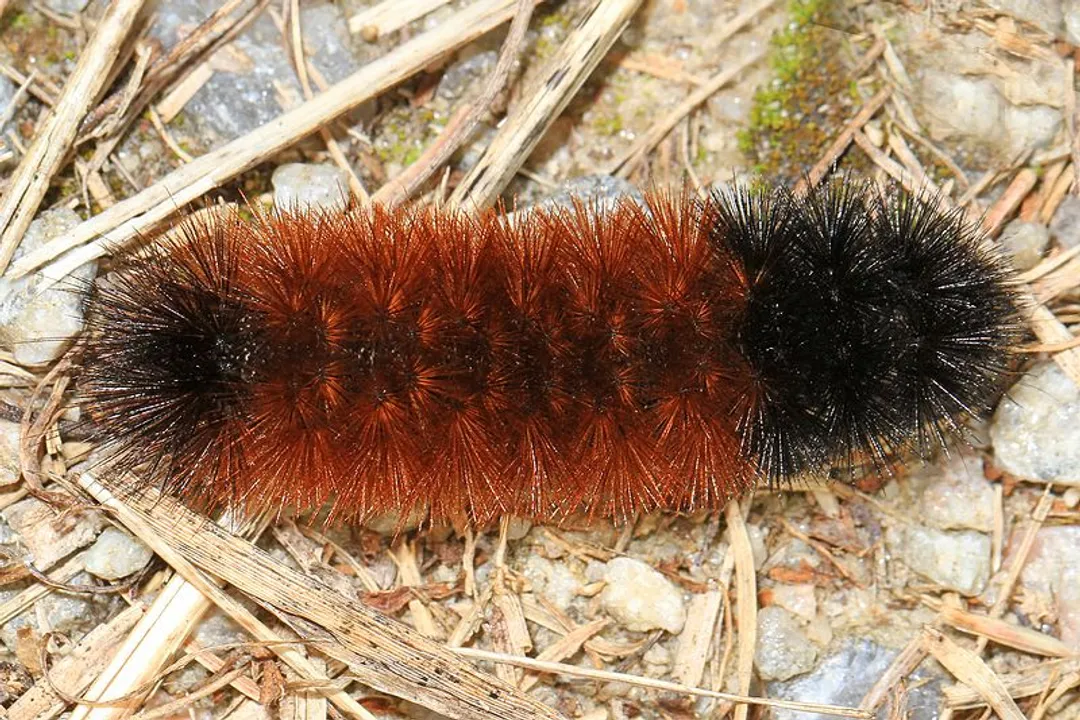
The remarkable ability of the Woolly Bear to survive being frozen solid relies on actively managed biochemical processes, specifically the production of natural cryoprotectants within its body fluids. The key compounds responsible for this biological antifreeze effect are glucose and glycerol. These substances work by significantly lowering the freezing point of the water contained inside the caterpillar's body, allowing ice formation externally while preventing catastrophic internal ice crystal growth, thereby ensuring physiological survival even when external temperatures drop far below zero degrees Celsius.
Related Questions
What is the scientific name associated with the Woolly Bear larva?What defensive tactic does the Woolly Bear employ when disturbed or approached?What are the primary cryoprotectant compounds produced by P. isabella for freeze tolerance?What is the technical name for the stiff hairs that cover the Woolly Bear caterpillar?What environmental cues work together to signal the necessity for diapause entry in the autumn?What characterizes the Woolly Bear's role in terms of its feeding habits?What is the primary consequence of the high energy expenditure during the Woolly Bear's fall feeding phase?According to scientific investigation, what truly determines the width of the black bands on the Woolly Bear?What critical risk profile is associated with the Woolly Bear's Freeze Tolerance strategy?How does the Woolly Bear's overwintering state differ from true hibernation seen in mammals?What advantage does the Woolly Bear's adaptation grant it compared to species utilizing Freeze Avoidance?