Woolly Bear Caterpillar Physical Characteristics
The sight of a slow-moving, fuzzy caterpillar crossing a driveway or sidewalk often stops people in their tracks, prompting curiosity about its identity and purpose. This creature, commonly known across North America as the Woolly Bear caterpillar, is scientifically recognized as the larva of the Isabella Tiger Moth, Pyrrharctia isabella. [2][8] While folklore often claims these hairy insects can predict the severity of the coming winter based on their coloration, their physical characteristics—the very things that lead to these legends—are fascinating in their own right, offering clear identifiers for anyone observing one in their garden or yard. [4][9]
# Fuzzy Covering
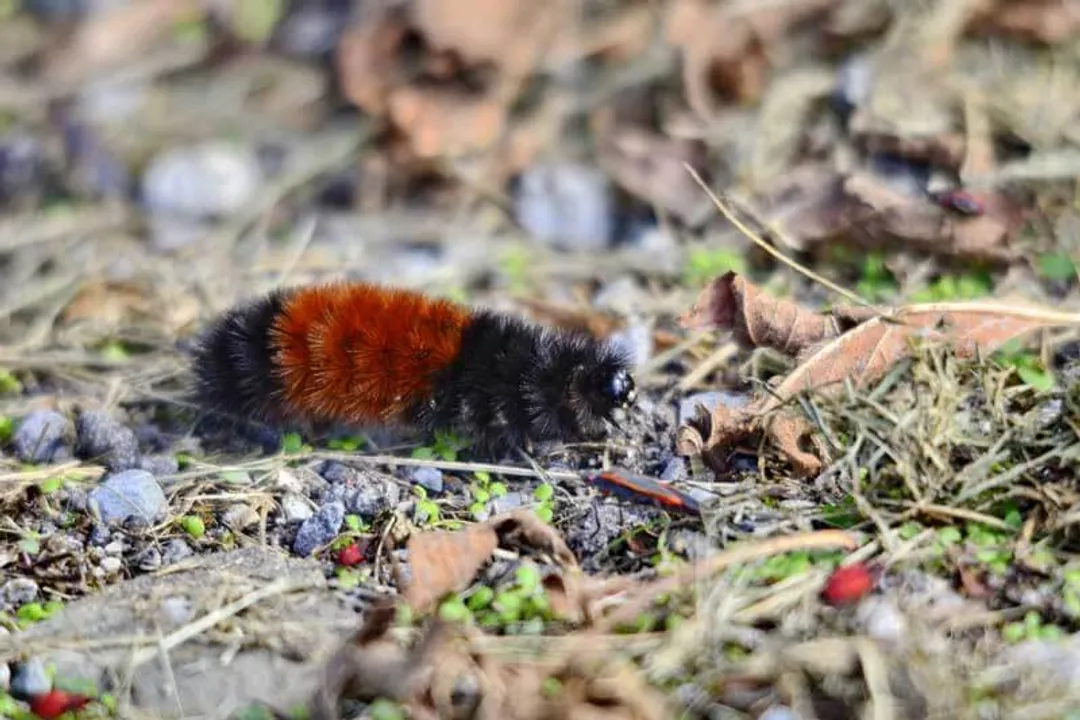
The most immediate physical trait of this caterpillar is its dense covering of stiff hairs or bristles, which gives it the "woolly" appearance from which it derives its common name. [1][5] These bristles are distributed across the entire body segment, making the larva look deceptively soft and plush. [8] It is important to note that despite this fuzzy coat, the Woolly Bear caterpillar is not venomous or stinging. [1][2] Unlike some other hairy caterpillars that possess urticating hairs capable of causing skin irritation, the bristles on the Isabella Tiger Moth larva are harmless to the touch. [8] This lack of sting capability makes them relatively safe to observe up close or even gently move if they are in danger. [1]
# Color Pattern
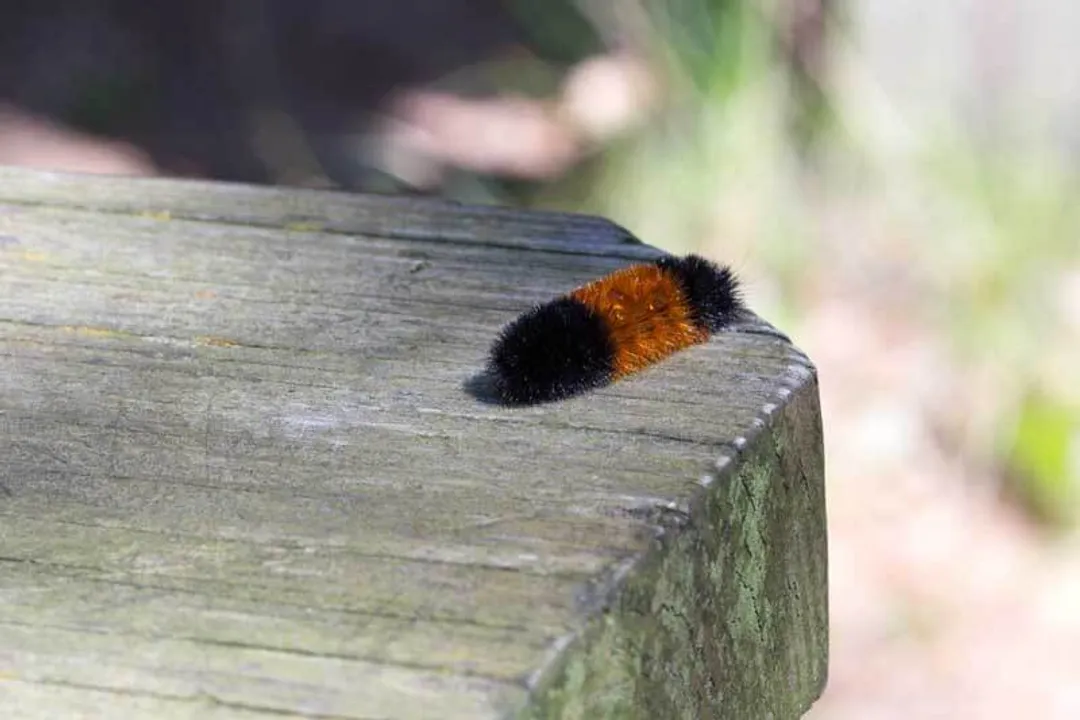
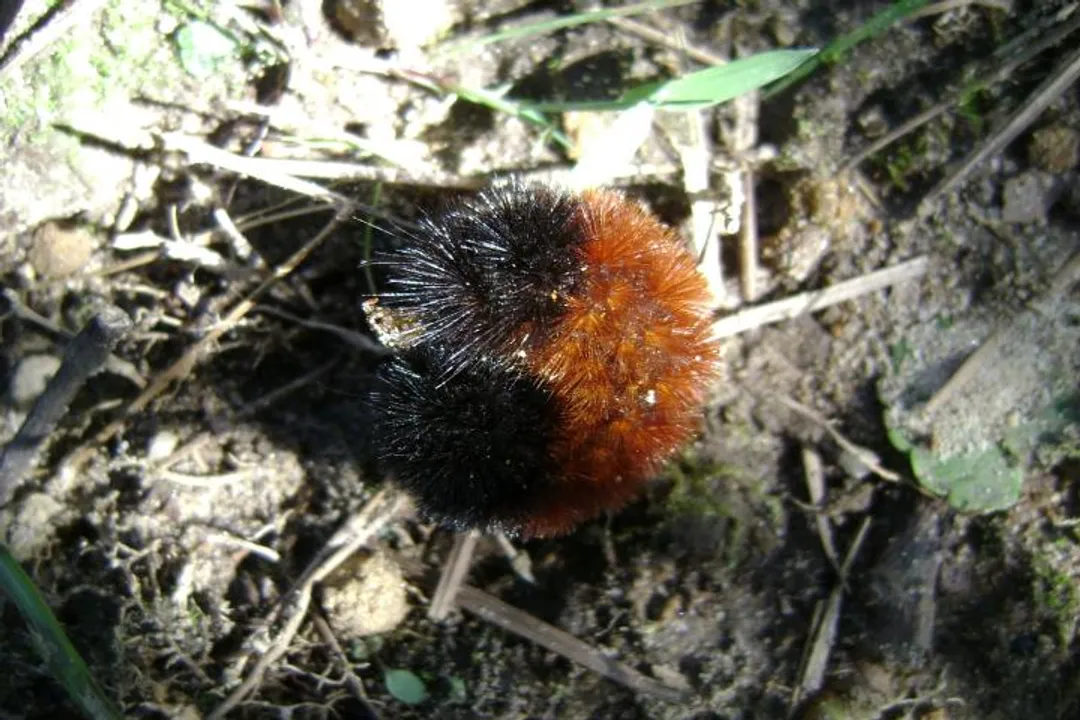
The coloration of the Woolly Bear is its most defining, and often most discussed, physical characteristic. It features distinct, alternating bands of color running circumferentially around its body. [5] Typically, these bands are a mix of black and reddish-brown or rusty-orange. [2][5] The degree to which these colors are pronounced or the width of the segments can vary significantly based on the caterpillar’s age and the time of year it is encountered. [2][4]
When observing a Woolly Bear, one will generally find a central band of one color flanked by black bands on either end. For example, some may present with a wide rusty-brown middle section bordered by narrow black segments. [9] Others, especially those newly hatched or those that have been around for a shorter period, might display much wider black bands. [4] The variation in the width of these bands—particularly the ratio of brown to black—is the foundation for the famous weather prediction lore. [9] While the scientific validity of the prediction remains weak, the physical change itself is observable: older or later-developing larvae that have fed longer often exhibit a larger reddish-brown section. [2][4] If one were to carefully measure the ratio of the dark to the light band on several individuals across a specific region in late fall, one might be able to create a local, informal index that correlates band width with the developmental stage reached before overwintering, offering a local environmental snapshot rather than a long-range forecast. [4]
# Size and Structure
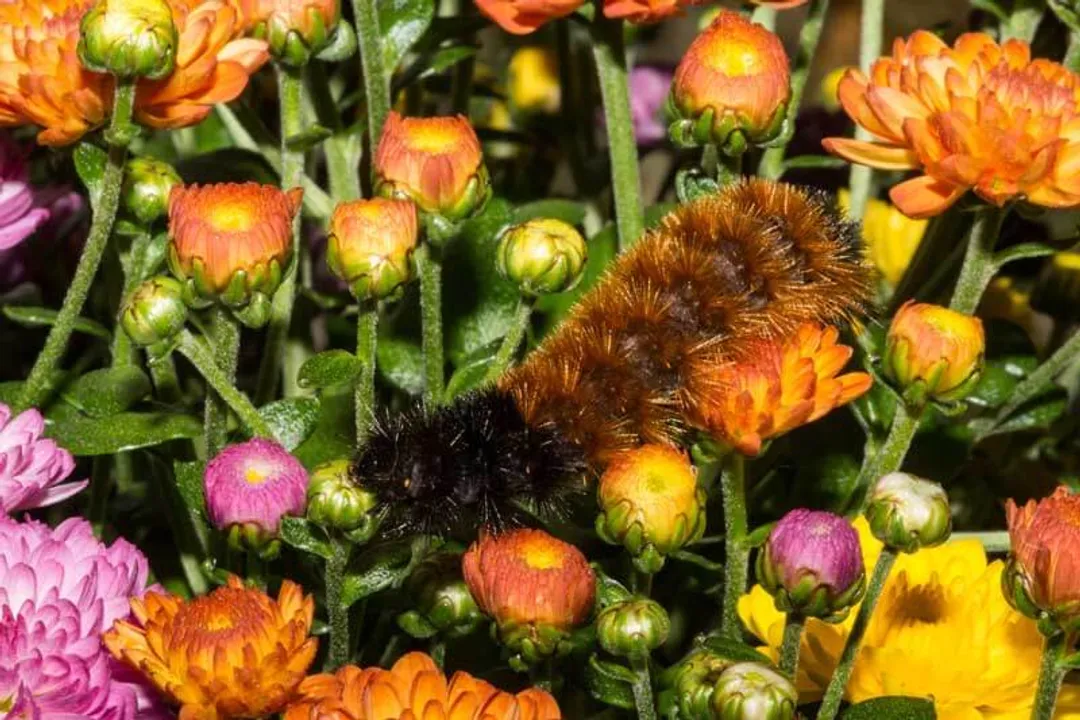
When fully developed and ready to seek shelter for the winter, these caterpillars can reach a length of approximately 1 to 1.5 inches. [1][8] Like many moth larvae, their bodies are segmented. They possess three pairs of true legs near the head end and several pairs of fleshy prolegs along the abdomen that aid in gripping surfaces. [8] When threatened, the Woolly Bear has a reflexive behavior: it often rolls up into a tight ball, protecting its softer underside and presenting only the stiff, bristly exterior to a potential predator. [1]
# Metamorphosis Appearance
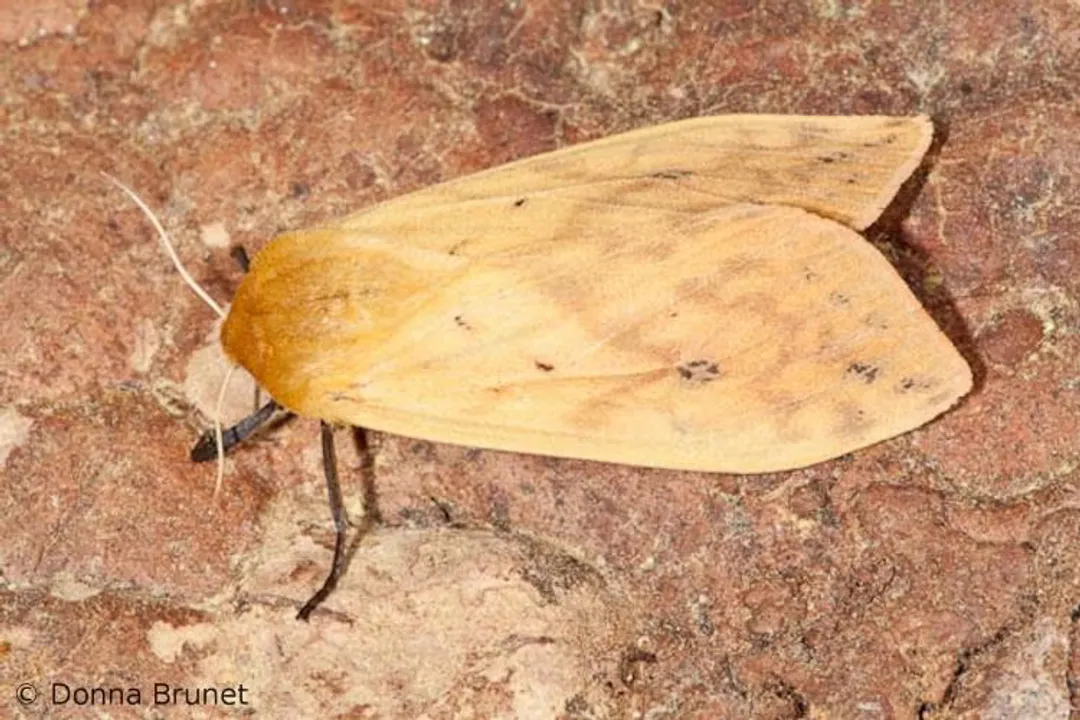
Understanding the caterpillar's final physical state requires a brief look at what it becomes. After hibernation, the Woolly Bear pupates, often wrapping itself in a cocoon made of silk mixed with its own body hairs. [5] The resulting adult is the Isabella Tiger Moth. [2][8] This moth is markedly different in appearance from its larval form. It typically has wings that are yellowish-orange to brown, often marked with dark spots. [8] The specific markings can vary, but the wing coloration is much less dramatic than the banded woolly coat of the caterpillar stage. [2] The moth's wingspan generally falls between 1.25 and 2 inches. [8]

# Distinguishing Characteristics
It is useful to distinguish the Pyrrharctia isabella Woolly Bear from similar-looking species, as mistaken identity can lead to unnecessary concern regarding potential skin reactions. [1] While many fuzzy caterpillars exist, the reliable physical marker for the Isabella Tiger Moth larva is the specific black-and-brown banding pattern. [2][5] If a hairy caterpillar encountered in the fall lacks this distinct, relatively even distribution of black and reddish-brown segments, it may belong to another species, such as the Giant Leopard Moth caterpillar (which is almost entirely black and much hairier). [1][8] The combination of the specific coloration, the presence of stiff but non-stinging bristles, and the characteristic size solidifies identification for this common roadside visitor. [1][2]
The Woolly Bear's physical adaptations are centered on survival through cold weather. The dense hair covering is not just for show; it helps trap air, offering insulation during its overwintering stage. [5] Furthermore, the body chemistry of the caterpillar undergoes changes as it prepares for freezing temperatures. This pre-hibernation phase involves the production of cryoprotectants—natural antifreeze compounds—which allow the creature to survive being partially frozen during the winter months. [5] This biochemical characteristic, though internal, is directly tied to the physical timing when we observe these caterpillars most frequently in the late autumn, long after the summer's feeding frenzy has ended. [4]
Related Questions
#Citations
Creature Feature: Woolly Bear Caterpillar - Raritan Headwaters
Pyrrharctia isabella - Wikipedia
Woollybear Caterpillar | Yard and Garden - Iowa State University
Woolly Bear Caterpillar: A Winter Weather Predictor or Not?
Cornelius' Corner: “The Wooly Bear Caterpillar” - Newlin Grist Mill
[PDF] Wetlands Invertebrates Banded Woollybear(Isabella Tiger Moth larva)
Woolly Bears in the Garden: Lore and Ecology - Fafard
Isabella Tiger Moth (Woolly Bear; Woolly Worm)
Do Woolly Bear Caterpillars Forecast Winter? Folklore & Facts